

 設置イメージを表示
 シェアする
シェアする シェアする
シェアする
 詳細を見る
詳細を見る ガイドを表示

 ダウンロード
 似ている作品
 X線調査
X線調査 スライドショーを表示
 Q&A
Q&A 統計情報
統計情報Rocks in New England


 詳細を表示
詳細を表示
ジークレー/アートプリント
スピーディーな制作と多彩な仕上げオプションが魅力の、ミュージアムクオリティなジークレー・キャンバスプリント。 ( 手描き複製画を注文する デジタル画像販売へ切り替え)




P118B ¥10

P118H ¥10

P118W ¥10

P438Z ¥10

P508JH ¥12

P508YH ¥12

P805H ¥10

P805Z ¥10

P919BZ ¥10

P919G ¥10

P919XJ ¥10

P959ZH ¥10

P968JZ ¥12

W106C ¥8

W218G ¥10

W218JH ¥8

W218Y ¥10

W307PJ ¥10

W316G ¥10

W316PJ ¥8

W316Y ¥10

W398PJ ¥8

W4111J ¥10

W500HY ¥15

W500JH ¥15

W692G ¥12

W849H ¥8

W940BG ¥15

W953PJ ¥8




標準サイズ
オーダーメイド
CM
INCH
作品のオリジナル比率に合わせた、当店の規定サイズからお選びください。
Loading sizes...

横幅
高さ
額縁や壁のスペースに合わせて、ご希望の幅と高さを入力してください。プリントはカットすることは可能ですが、元の画像より大きくすることはできないため、異なる比率のサイズを選択された場合は、画像の一部が欠けることになります。印刷を開始する前に、内容を確認していただくためのデジタルモックアップをお送りいたします。このページに表示されている画像は、実際のカット後の状態を示すものではありません。実際の仕上がりはモックアップにてご確認ください。


 ガラスオプションは、110cm未満のサイズでのみご利用いただけます。

Rocks in New England
ジークレー/アートプリント
複製画サイズ一覧
-


合計金額
¥ 11078
A Moment Frozen in Light: Martin Johnson Heade’s “Rocks in New England”
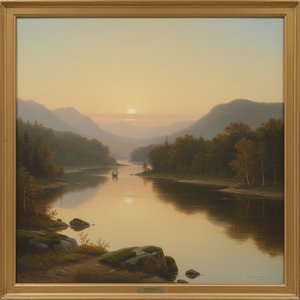
Martin Johnson Heade's "Rocks in New England," painted in 1855, isn’t merely a landscape; it’s a carefully constructed meditation on light, texture, and the quiet majesty of the American wilderness. This pivotal work, belonging to the Luminist movement, transcends simple representation, offering instead an immersive experience for the viewer—a feeling of being transported to a serene corner of New England where time seems to slow and nature reigns supreme. The painting captures a specific moment, bathed in the diffused light characteristic of the Luminists, suggesting a fleeting beauty that is both deeply familiar and profoundly evocative.
The scene unfolds across a broad expanse, dominated by rolling hills rendered with an almost tactile quality. Heade’s masterful use of broken brushstrokes—tiny, individual marks of paint—creates a remarkable sense of depth and texture. The rocks themselves aren't sharply defined but rather emerge from the mist as hazy forms, their surfaces subtly illuminated to suggest the play of light on stone. A solitary tree, positioned prominently on the left side of the composition, acts as a grounding element, its branches reaching upwards like silent witnesses to the unfolding scene. Notice how Heade doesn’t attempt to capture every detail; instead, he focuses on capturing the *impression* of the landscape—the way light filters through the clouds, the subtle shifts in color across the hillsides, and the overall sense of tranquility.
The Luminist Philosophy: Light as Subject
To understand “Rocks in New England,” it’s crucial to grasp the philosophy behind the Luminist movement. Emerging in the mid-19th century, Luminism sought to move beyond the dramatic narratives and heroic figures favored by earlier Romantic painters. Instead, Luminists focused on capturing the subtle effects of light and atmosphere—the way sunlight interacts with water, clouds, and foliage. They were fascinated by the ephemeral qualities of nature, striving to depict moments of quiet beauty rather than grand historical events or mythological scenes. Heade’s work exemplifies this approach perfectly; he isn't painting a *place*, but rather capturing a specific *feeling*—a sense of peace and connection with the natural world.
Heade’s training under Edward Hicks, a prominent folk artist known for his idyllic depictions of rural life, undoubtedly influenced his early style. However, Heade quickly developed his own distinctive voice, characterized by an extraordinary sensitivity to light and color. His meticulous observation of nature, combined with his technical skill, allowed him to create paintings that are both scientifically accurate and deeply emotionally resonant.
Symbolism in the Landscape
While seemingly straightforward, “Rocks in New England” is rich in symbolic meaning. The rocks themselves can be interpreted as representing resilience—their enduring presence amidst the shifting landscape mirroring the strength and stability of nature. The solitary tree, often associated with wisdom and longevity, further reinforces this theme. The muted palette – dominated by shades of gray, green, and blue – evokes a sense of melancholy and introspection, suggesting a contemplation of time and mortality. Even the distant water reflects the sky, creating a visual echo that emphasizes the interconnectedness of all things.
Furthermore, the painting’s composition—with its horizontal emphasis and lack of strong diagonals—contributes to its feeling of stillness and serenity. The absence of human figures reinforces this sense of isolation and invites the viewer to become a silent observer of nature's beauty. It is a scene that speaks volumes without uttering a single word.
A Legacy of Light: Reproductions and Inspiration
“Rocks in New England” remains one of Martin Johnson Heade’s most celebrated works, admired for its exquisite detail, luminous quality, and profound sense of atmosphere. Reproductions offer an accessible way to experience the painting's magic, bringing this serene landscape into any home or office space. When selecting a reproduction, consider the level of detail and color accuracy—a high-quality print will truly capture the essence of Heade’s original vision. This piece serves as a timeless reminder of the beauty that surrounds us, inviting us to pause, reflect, and appreciate the simple wonders of the natural world.
Q&A
マーティン・ジョンソン・ヒーデ作「Rocks in New England」の制作時期はいつですか?
マーティン・ジョンソン・ヒーデ作「Rocks in New England」は1855年に制作されました。
マーティン・ジョンソン・ヒーデ作「Rocks in New England」の色彩構成はどのように成り立っていますか?
マーティン・ジョンソン・ヒーデ作「Rocks in New England」 の色彩分析は、Statement なコントラストと Strong Color Unity な調和を捉えています。
マーティン・ジョンソン・ヒーデ作「Rocks in New England」の色調は、鮮やかですか、それとも落ち着いていますか?
「Rocks in New England」の色彩は、彩度がMutedです。
作家プロフィール
マーティン・ジョンソン・ヒーデの静謐なビジョン:生涯と芸術
マーティン・ジョンソン・ヒーデは、1819年にペンシルベニア州の穏やかな田園地帯に生まれ、アメリカ美術史において魅惑的な人物として残っています。彼の光り輝く風景画と自然への親密な描写は、比較的無名から徐々に抜け出し、国の最も重要な芸術的業績の一つとしての正当な地位を確立しました。デラウェア川沿いのランバービルでの幼少時代は、彼の中に自然界への深い感謝の念を植え付けました。これは、地元のアーティストであるエドワード・ヒックス、そしておそらくトーマス・ヒックスによる初期の研究によって育まれました。これらの基礎的なレッスンは、後に彼の独特なスタイルへと開花する技術を提供しましたが、名声への道は決して直接的ではありませんでした。当初は肖像画に焦点を当てていましたが、初期の作品は有能さを示していましたが、成熟した作風を定義する独自のビジョンには欠けていました。ヨーロッパ旅行の一時期は、彼の芸術的な視野を広げ、多様な影響に触れさせ、最終的に風景画への傾倒の舞台を設定しました。肖像画からパノラマのような光へ
ヒーデの芸術的指向における重要な転換点は、ハドソン・リバー派のメンバーとの出会いを通じて起こりました。ジョン・フレデリック・ケンセットやベンジャミン・チャンプニーといったアーティストたちは、彼の中にアメリカの風景の壮大さと繊細な美しさを捉える情熱を目覚めさせました。この影響と、光と大気への彼の生まれつきの感受性が組み合わさり、穏やかな構成と細部への細心の注意を特徴とするスタイルが確立されました。ヒーデの作品は、同時代の他のアーティストが好んだ劇的な物語を避け、湿地帯、海景、そして最終的には熱帯の動植物の研究に焦点を当てることで、静かな強烈さによって区別されるようになりました。1863年から1864年のブラジルへの旅行は、彼の芸術的アウトプットに深く影響を与えた決定的な瞬間となりました。ブラジルの熱帯雨林の鮮やかな色彩とエキゾチックな形に浸ったヒーデは、ユリの花の中のハチドリを描いた一連の小規模な絵画に取り組みました。これらの作品は、彼の技術的熟練度と生命と環境の間の繊細な相互作用への魅力を示しています。彼はこれらを「ブラジルの宝石」と呼びましたが、当初は出版のために意図されていましたが、彼の生涯中はほとんど実現しませんでした。しかし、今日では彼の最も祝われた作品の一つとして立っています。中央アメリカやジャマイカへのその後の旅行は、熱帯の主題を探求することをさらに促進し、彼のパレットを豊かにし、芸術的語彙を拡大しました。湿地帯、マグノリア、そして巨匠の再発見
晩年、ヒーデはフロリダ州セントオーガスティンに定住し、静物画、特に豊かなベルベットの背景に配置された美しいマグノリアの花を描くことに焦点を当てました。これらの絵画は、彼の色彩と形の習熟度を例証しています。しかし、キャリアを通じてかなりの量の作品を制作したにもかかわらず、ヒーデは生涯を通してほとんど知られていませんでした。1940年代になって初めて、学者が彼の貢献のアメリカ美術における重要性を認識し始めました。ガレージセールやフリーマーケットのような予期しない場所で絵画が発見されるという注目すべき一連の再発見により、彼の作品への関心が高まり、これまで見過ごされてきたルミニズムの巨匠が明らかになりました。ヒーデとフィッツ・ヘンリー・レーンなどのアーティストによって共有されたスタイルを説明するために造語された「ルミニズム」という用語は、彼のアートビジョンの本質をとらえています。それは、大気効果、光の微妙なグラデーション、静けさ、そして穏やかさへの強調です。静かな熟考の遺産
マーティン・ジョンソン・ヒーデの遺産は、彼の技術的なスキルと美的感性にとどまりません。彼の絵画は、視聴者に静かな熟考のための空間を提供します。それは、自然界の美しさと穏やかさに浸るための招待です。彼は生涯を通じて広範な名声を得たわけではありませんが、彼の作品は再発見されて以来、聴衆に深く共鳴し、19世紀のアメリカで最も愛され影響力のある画家の一人としての地位を確固たるものにしました。今日、彼の絵画は世界中の著名な美術館のコレクションに収められており、光と大気の質をとらえ、平凡なシーンを超越的な美しさの瞬間に変える能力に対する畏敬の念と賞賛を引き続けています。ヒーデのアートは、自然界を保護し感謝することの重要性、そしてその静かな壮厳さの中で慰めを見つけることの重要性を痛切に思い出させてくれます。ヒーデのスタイルの主な特徴
- ルミニズム: 大気効果と微妙な光のグラデーションを強調する定義的な特徴です。
- 穏やかな構成: 平和なシーンを好んで劇的な物語を避けます。
- 細心の注意を払った詳細: 自然な形とテクスチャの正確なレンダリング。
- 主題: 塩沼、海景、熱帯鳥(特にハチドリ)、マグノリア、静物画。
- ロマンチックなアプローチ: 自然の感情的な影響と美しさに焦点を当てます。

マーティン・ジョンソン・ヒーデ
1819 - 1904 , アメリカ合衆国
プロフィール概要
- Artistic Movement Or Style: ルミナリズム
- Artists Who Influenced This Artist:
- エドワード・ヒックス
- ジョン・フレデリック・ケンセット
- Date Of Birth: 1819年8月11日
- Date Of Death: 1904年9月4日
- Full Name: マーティン・ジョンソン・ヒーデ
- Nationality: アメリカ人
- Notable Artworks:
- オーキッドとハミングバード
- ソルトマーシュ風景
- ハミングバードブロッサム
- Place Of Birth (City And Country): ペンシルベニア州ランバービル
関連記事
David Johnson: A Luminist Master of the Hudson River School & Beyond
Explore the captivating landscapes of David Johnson, a key figure in the Hudson River School & Luminism movement. Discover his artistic evolution, legacy, and how to collect his works with TopImpressionists.

ジョン・コンスタブルの傑作25選:英国風景画の巨匠が描く自然と光の詩 | TopImpressionists
ジョン・コンスタブルの傑作25選。英国風景画の巨匠が描く自然と光の詩の世界へ。ロマン主義を代表する絵画、デダム・ヴェールやヘイ・ウェインなど、TopImpressionistsで高品質なアートプリントをお楽しみください。インテリアに深みと感動を。コレクションはこちら。

Evocations of Place: A Historical Journey Through Landscape Art
Explore the rich history of landscape art with TopImpressionists. Discover renowned artists, movements like Impressionism & Romanticism, and expert guidance for collecting timeless pieces. Find your perfect serene escape today!

Martin Johnson Heade: Luminism, American Identity & the Poetic Still Life
Explore the captivating world of Martin Johnson Heade, a master of Luminism. Discover his serene landscapes, vibrant still lifes & profound connection to American identity. Learn about his techniques and legacy.

ロマン派ランドスケープ:時代を彩る巨匠の10選|アートとインテリアの世界
ロマン派絵画の時代を彩る10選。巨匠たちの風景が織りなす感動の世界へ。ターナー、ルーベンスなど、名作の裏話と高精細複製でアートをお部屋に。TopImpressionists.comで至福のアート体験を。