

 設置イメージを表示
 シェアする
シェアする シェアする
シェアする
 詳細を見る
詳細を見る ガイドを表示

 ダウンロード
 似ている作品
 X線調査
X線調査 スライドショーを表示
 Q&A
Q&A 統計情報
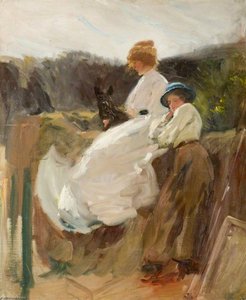
統計情報Joy

- 109.0 x 83.0 cm


Discover 'Joy' by Mary Ethel Hunter (1901). This captivating oil painting showcases rural life & timeless beauty in a stylized realism. A unique art investment!
Explore the serene paintings of Mary Ethel Hunter (1878-1936), capturing floral still lifes & portraits, reflecting Victorian sensibilities & biblical themes.
 詳細を表示
詳細を表示
ウェブ上のプレビューを遥かに凌駕する、印刷に最適なファイルをご提供します。当サイトで販売しているすべてのデジタル画像は、弊社のデータベース内にある高解像度のマスターデータ(通常、幅5,000〜15,000ピクセル)から作成されています。そのため、大判印刷や大胆なクロップ、細部まで緻密な再現も、安心してお楽しみいただけます。
当スタジオから送り出される画像は、すべて丁寧に加工されています。デジタルエキスパートが原画と照らし合わせて色調を精査し、必要に応じて補正を行った上で、プロ仕様のリタッチツールを用いて鮮明さと細部を向上させます。その際、アーティストの筆致やスタイルに忠実であることを常に追求しています。その結果、単なるスキャン画像にフィルターをかけたようなものではなく、まるで本物の絵画を見ているかのような仕上がりを実現しています。
仕上がりをご確認いただいてから完了となります。専門スタッフが、ご確認用の画像を72時間以内にメールでお送りいたします。もしご満足いただけない場合は、修正や改善のご要望を承るほか、品質が基準に満たない場合には返金も可能です。
出版社、デザインスタジオ、ギャラリー、そして印刷所から信頼される品質です。
デジタルアート
個人での鑑賞、印刷、クリエイティブなプロジェクトにご利用いただける高解像度ファイルをダウンロードできます。 ( プリント版に切り替え 手描き複製画を注文する)
デジタル画像のご注文に付随する特典
確かな品質による、プロフェッショナルなデジタル配信
TopImpressionists.com を選ぶことは、単に画像を手に入れることではありません。プロの手によって精密に仕上げられ、満足保証が付いた高品質なデジタルアートワークを受け取ることを意味します。ご注文いただいた際に自動的に付随する内容は、以下の通りです:

メールですぐにお届け
ご注文から72時間以内に、高解像度のデジタル画像ファイルをメールでお送りいたします。お手元に届き次第、すぐにご利用いただけます。

AI技術で最適化されたデジタルファイル
お客様の作品は、高度なAI技術と専門家による手作業を組み合わせてプロフェッショナルに最適化されており、細部のディテール、鮮明さ、そして正確な色再現性を最大限に引き出しています。

生涯無料の再送サービス
ファイルを誤って削除したり、紛失してしまったりしましたか?ご安心ください。いつでも無料で再送いたします。

輸入手数料は、いつでも一切かかりません
関税や手数料、配送料を気にすることなく、お気に入りのアートワークをすぐにお楽しみいただけます。デジタルダウンロードは常に免税です。

正確な色彩の保証
プロ仕様のツールとカラーマネジメント技術を用いることで、デジタル画像が元の色を最大限に忠実に再現することを保証いたします。

100日間満足保証
ご購入いただいたデジタル画像にご満足いただけない場合は、100日以内であれば、理由を問わず修正または100%の返金対応をさせていただきます。

100% 返金保証
ご満足いただけない場合は、デジタルファイルを受け取ってから100日以内であれば、理由を問わず全額返金いたします。

まとめ買い割引
3枚購入で10%OFF、5枚購入で15%OFF、10枚以上のご購入で20%OFF。クリエイティブなプロジェクトやギャラリー、エージェンシーに最適です。




作家略歴
Mary Ethel Hunter: A Victorian Soul in Bloom
The canvases of Mary Ethel Hunter (1878-1936) offer a serene glimpse into the heart of late 19th and early 20th century England – a world steeped in Victorian sensibilities, religious devotion, and a burgeoning appreciation for the beauty of the natural world. More than just a painter, Hunter was a meticulous observer, translating her experiences and deeply held beliefs onto canvas with a quiet grace and remarkable technical skill. Her work isn’t merely decorative; it's imbued with a contemplative spirit, reflecting both the formal constraints of her era and a subtle, yet persistent, yearning for something beyond.
Born in Napier, New Zealand, to Edward and Hannah Togwood, Mary Ethel Hunter’s early life was shaped by strong family values and a deep connection to the Methodist Church. This religious foundation profoundly influenced her artistic vision, informing many of her subjects – particularly biblical scenes and floral arrangements laden with symbolic meaning. Her formal art training began in Auckland, but she later moved to Wellington, where she continued to hone her skills and develop her distinctive style. It was during this period that Hunter’s talent truly blossomed, establishing her as a respected artist within the Wellington art community.
The Language of Flowers and Faith
Hunter's most celebrated works are undoubtedly her floral still lifes – meticulously rendered compositions dominated by roses, lilies, violets, and other blooms. These aren’t simply depictions of beauty; they’re carefully constructed narratives. Each flower is imbued with symbolic weight, echoing the language of flowers prevalent during the Victorian era, where colors and arrangements conveyed hidden meanings of love, loss, remembrance, and faith. A single red rose might represent passionate affection, while a cluster of lilies could symbolize purity or mourning. Her use of light and shadow is particularly noteworthy – often employing diffused natural light to create an ethereal atmosphere that enhances the sense of tranquility and reverence within each painting.
The influence of Pre-Raphaelite painters like Millais and Rossetti is evident in Hunter’s meticulous detail, rich color palettes, and penchant for depicting scenes from biblical stories. However, unlike her predecessors, Hunter avoids overt romanticism, instead favoring a more restrained and dignified approach. Her figures are often presented with quiet dignity, their gazes directed inward or towards the heavens – reflecting a deep sense of spirituality and inner contemplation.
A Life Beyond the Canvas
Beyond her artistic pursuits, Mary Ethel Hunter was an active participant in several social movements of her time. She was deeply involved in the Women’s Christian Temperance Union (WCTU), campaigning tirelessly for the Six O'clock Closing of hotels – a controversial measure aimed at curbing alcohol consumption and its detrimental effects on society. Her dedication to this cause is documented in numerous diaries and letters, revealing a woman of unwavering conviction and tireless energy. She travelled extensively throughout New Zealand and Australia, organizing meetings, gathering signatures for petitions, and delivering impassioned speeches.
Later in life, Hunter moved to Nelson, where she became Matron of Alexandra Home – an institution dedicated to providing care for elderly women. This role demonstrated her compassionate nature and commitment to serving others. Her time at the home provided a new source of inspiration, evident in some of her later works that depict scenes of domestic tranquility and quiet dignity.
Legacy and Influence
Mary Ethel Hunter’s artistic legacy is one of understated elegance and profound spiritual depth. While she never achieved widespread fame during her lifetime, her paintings are now recognized as significant examples of Victorian art – particularly for their meticulous detail, symbolic richness, and evocative atmosphere. Her work offers a valuable window into the social and cultural landscape of late 19th and early 20th century England, revealing the complex interplay between faith, beauty, and social reform. Her paintings continue to resonate with viewers today, inviting contemplation on themes of love, loss, faith, and the enduring power of nature.
Hunter’s contribution extends beyond her artistic output; she embodies a spirit of quiet determination and unwavering commitment to her beliefs – qualities that make her a compelling subject for historical study and a testament to the often-overlooked contributions of women artists in a male-dominated era.

Mary Ethel Hunter
1878 - 1936
プロフィール概要
- Full Name: Mary Ethel Hunter
- Nationality: British
- Date Of Birth: 1878
- Date Of Death: 1936
- Place Of Birth: Napier, New Zealand
- Notable Artworks:
- Marita
- Various floral still lifes
- Artistic Movement Or Style: Victorian Art