


 設置イメージを確認
 送る
送る シェア
シェア
 詳細情報
詳細情報 ガイドを表示

 画像をダウンロード
 似ている作品
 X線調査
X線調査 スライドショー
 統計情報
統計情報Blue Jar
 Modernism
 1945
1945 49.0 x 59.0 cm
 Government Art Collection
Discover 'Blue Jar' by Mary Potter (1945). A modernist still life featuring muted blues & greens, impasto texture, & subtle forms. Explore this evocative landscape painting.
Explore Mary Potter’s subtle, luminous paintings of landscapes & portraits. OBE-winning artist known for evocative color palettes & capturing fleeting moments.
 続きを読む
続きを読む
このページに掲載されている作品は著作権法によって保護されており、当社の許可なく同一の複製物を制作または販売することは法律で禁じられています。この保護は、以下のような国際条約に基づき執行されます。 ベルヌ条約 および、以下の条項に定められたものを含む各国の法律により、 米国著作権法 第17編。
敬意を払った法的な代替手段として、私たちはオリジナルにインスピレーションを与えられた、カスタムの手描きアートワークを提供しています。私たちの熟練したプロのアーティストは、元の作品が持つスタイル、情緒、そして芸術的なエッセンスを注意深く研究し、独自の創作物でありながら、同じ感性を呼び起こすような、新しくユニークな作品を作り上げます。
この手法は、著作権で保護された作品の複製や複写を伴わないため、著作権法に完全に準拠しています。これは単なる模倣ではなく、創造的な再解釈です。元の作品からインスピレーションを受けつつも、それとは異なる、全く新しい絵画を生み出すものです。
手描き油彩複製画
当社のアーティストが、お客様のご希望のサイズと額縁に合わせて、キャンバスに手描きで制作する油彩画です。 ( プリント版に切り替え デジタル画像販売へ切り替え)




































標準サイズ
カスタムサイズ
CM
INCH
作品のオリジナル比率に合わせた、当店の規定サイズからお選びください。
Loading sizes...

横幅
高さ
フレームや壁のスペースに合わせて、ご希望の幅と高さを入力してください。本作品は手描きのため、異なる比率のサイズをご希望の場合、絵画の周囲を少し広げて描くか、あるいは端を少しカットして調整することが可能です。お客様のご要望に合わせます。制作を開始する前に、仕上がりを確認するためのデジタルモックアップをお送りいたします。このページに表示されている画像は完成品の実物ではなく、あくまでモックアップによるイメージです。
カスタマイズの例:顔をお客様の写真に置き換える、ペットを追加する(例:猫を犬に変更)、背景に隠れたメッセージを入れる、背景の風景や要素を変更するなど。
ご注文後、TopImpressionists.com チームより詳細な指示をお送りするとともに、仕上がりイメージ(モックアップ)をご提供いたします。
ご注文後、TopImpressionists.com チームより詳細な指示をお送りするとともに、仕上がりイメージ(モックアップ)をご提供いたします。


 ガラスオプションは、110cm未満のサイズでのみご利用いただけます。

Blue Jar
再現技法
複製画サイズ一覧
-


合計金額
¥ 42336
関連作品


アーティストについて
Mary Potter: A Subtle Master of Light and Landscape
Born Marian Anderson Attenborough in Beckenham, Kent, in 1900, Mary Potter’s life was one inextricably linked to the quiet beauty of the Suffolk countryside. Her early years were marked by a delicate health—a consequence of congenital heart and lung issues—which shaped her introspective nature and fostered a deep appreciation for stillness and observation. This sensitivity would become the cornerstone of her distinctive artistic style, characterized by a restrained palette, luminous colors, and an uncanny ability to capture fleeting moments of light and atmosphere.
Potter’s formal training began at the Beckenham School of Art and continued at the Slade School of Fine Art in London. There, she honed her skills under the tutelage of Henry Tonks, winning numerous prizes, including first place for portraiture. This early exposure to rigorous artistic principles laid the groundwork for her later development, but it was a conscious decision to move away from academic painting and embrace a more personal, expressive approach.
Early Career and Bohemian London
Potter’s career unfolded during a period of significant social and artistic change in early 20th-century England. She initially exhibited with groups like the New English Art Club and the London Group, engaging with the burgeoning avant-garde movement while maintaining her own distinct voice. Her early works often featured still lifes, portraits, and landscapes—a diverse range reflecting her broad interests. A pivotal period occurred during her time in Fitzrovia, a vibrant bohemian district of London, where she shared a studio space with fellow artists and experienced the energy of a creative community.
Her marriage to Stephen Potter in 1927 brought a new dimension to her life, providing companionship and mutual artistic support. However, their relationship eventually ended in divorce in 1955, an event that undoubtedly influenced her evolving artistic perspective. The move to Aldeburgh in 1951 proved transformative, offering the tranquility she needed to fully dedicate herself to her art.
The Development of a Unique Style
Potter’s distinctive style emerged gradually over several decades, rooted in a deep understanding of color and light. She eschewed bold brushstrokes and dramatic compositions, instead favoring a subtle, almost understated approach. A key element of her technique involved mixing paint with beeswax—a process that created a unique “chalky luminous quality,” as Kenneth Clark famously described it, resulting in paintings imbued with an ethereal glow. Her palette was consistently restrained, relying on pale, muted tones to evoke the atmosphere and mood of her subjects.
Her subject matter often centered around the landscapes of Suffolk—the rolling hills, windswept coastlines, and quiet meadows that surrounded her home. She also painted portraits, capturing the essence of her subjects with remarkable sensitivity and empathy. Potter’s work is not about literal representation; rather, it's an exploration of perception, memory, and emotion – a distillation of experience into evocative visual forms.
Recognition and Legacy
Despite initially working largely outside the mainstream art world, Mary Potter gained increasing recognition in the 1960s and 70s. Her work was exhibited at prestigious venues like the Tate Gallery and the Serpentine Gallery, and she received numerous awards, including an OBE in 1979 and the John Moores Prize in 1981. Her retrospective exhibitions—held in London and elsewhere—attracted critical acclaim and solidified her place as a significant figure in British art.
Mary Potter’s legacy extends beyond her individual paintings. Her quiet, contemplative approach to art offered a powerful counterpoint to the prevailing trends of the time, demonstrating that beauty could be found in subtlety and restraint. Her work continues to resonate with viewers today, offering a glimpse into a world of serene landscapes and intimate portraits—a testament to the enduring power of observation and artistic sensitivity.
Key Characteristics of Potter’s Art
- Restrained Palette:** Primarily utilizing pale, muted colors – blues, greens, browns, greys - creating a sense of tranquility and atmosphere.
- Luminous Quality:* The beeswax technique imparted a unique glow to her paintings, enhancing their ethereal quality.
- Emphasis on Atmosphere:** Potter prioritized capturing the mood and feeling of a scene over precise detail or realistic representation.
- Subtle Composition:* Her compositions were often simple and understated, allowing the colors and light to take center stage.
- Subject Matter:* Frequently depicted landscapes of Suffolk, as well as intimate portraits reflecting her personal observations.

Mary Potter
1900 - 1981
アーティスト情報
- Full Name: Mary Potter (painter)
- Nationality: English
- Date Of Birth: 1900
- Date Of Death: 1981
- Place Of Birth: Beckenham, Kent, UK
- Notable Artworks:
- Brighton Beach
- Regent's Park
- Joyce Grenfell
- Artistic Movement Or Style: Subtle color landscapes/portraits
- Artists Who Influenced This Artist: ['Henry Tonks']
- Artists Or Movements Influenced By This Artist: ['Victor Pasmore']
関連記事

Slate Blue Masterpieces: 10 Iconic Paintings & Timeless Home Decor Ideas
Immerse yourself in the captivating world of slate blue! Explore 10 iconic paintings by Monet, Van Gogh & Renoir. Discover their stories, techniques & find museum-quality art reproductions for your home at .

Azure Visions: Exploring Representations of the Blue Dress in Western Art History
Explore the rich history of the blue dress in Western art! Discover its symbolism, from Renaissance masterpieces to modern interpretations by artists like Martin & Schiele. Uncover cultural meanings and artistic techniques.

Silent Narratives: Exploring the Enduring Appeal of Still Life Painting Across Centuries
Explore the rich history of still life painting with TopImpressionists. Discover Dutch Masters, decode vanitas symbolism & learn about collecting timeless art. Expert insights and museum-quality reproductions.
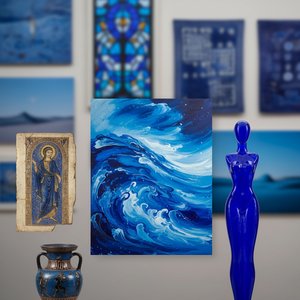
The Allure of Azure: Exploring the Symbolic & Aesthetic Depths of Blue in Art History
Explore the rich history of blue in art! Discover its symbolism, from ancient pigments to modern masterpieces by Kandinsky & Seurat. Uncover the psychological impact and cultural meanings behind this captivating hue.

古典的静物画から現代抽象まで:ヴィラでのエンターテイメント空間を格上げする美術複製の世界
ルネサンスから現代アートまで、高品質な美術複製をTopImpressionists.comで。静物画、ヴァニタス、抽象絵画など、ヴィラ空間を格上げする一点を見つけましょう。カスタムメイドやアートアドバイザーによる無料相談も。