































作品のオリジナル比率に合わせた、当店の規定サイズからお選びください。

特定のフレームやスペースに合わせて、ご希望のサイズをご入力いただけます。選択されたサイズが元の画像の比率と異なる場合、アートワークをトリミングするか、手描きで要素を追加して絵画を拡張いたします。デジタルモックアップ を制作し、制作開始前にご確認(承認)をいただきます。
画面上のプレビューは、実際のトリミングや拡張を正確に反映しているものではありません。最終的な構図は、モックアップによってのみ正確にご確認いただけます。
カスタムサイズもご利用いただけますが、元の比率を維持するためには、あらかじめ用意されたリストからサイズを選択することをお勧めいたします。

Buste d'oiseau
複製画のサイズ
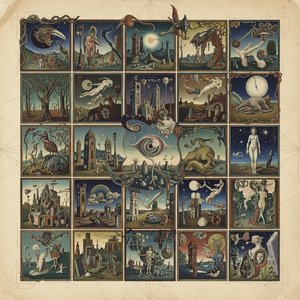
Max Ernst’s “Buste d'oiseau” presents a captivating enigma, a visual meditation on form, symbolism, and the unsettling beauty of the subconscious. The painting immediately draws the eye to its stark composition: a dominant moon rendered in a deep charcoal hue, punctuated by a central black circle that suggests both void and potential. Superimposed upon this celestial backdrop are several circles – white, smaller, and strategically placed – creating a layered effect reminiscent of dreams or fragmented memories. Three birds, delicately positioned within the scene, add to the painting’s surreal quality, their forms echoing the circular motifs and contributing to an overall sense of disorientation and wonder.
Born in Brühl, Germany, in 1891, Max Ernst was a key figure in the development of Surrealism. His artistic journey was characterized by a deliberate rejection of academic conventions and a deep engagement with psychoanalysis, particularly the theories of Sigmund Freud. Ernst sought to tap into the realm of the unconscious mind, believing that art should not merely represent reality but rather reveal hidden truths and anxieties. “Buste d'oiseau” exemplifies this approach; it’s less about literal representation and more about evoking a feeling, an atmosphere of mystery and psychological depth. His academic background – encompassing philosophy, art history, literature, psychology, and psychiatry – provided him with the intellectual tools to explore these themes with remarkable precision.
The imagery within “Buste d'oiseau” is rich in symbolic potential. The moon, a recurring motif in Ernst’s work, often represents the feminine principle, intuition, and the cyclical nature of time. The circles, with their ambiguous forms, can be interpreted as representing wholeness, unity, or perhaps the fragmented aspects of consciousness. The birds themselves are frequently associated with freedom, spirituality, and transformation – qualities that resonate strongly within Ernst’s oeuvre. Their placement within the lunar landscape suggests a yearning for transcendence, a desire to escape the constraints of the rational world.
Ernst employed a variety of techniques in his work, often combining painting with collage and frottage (rubbing) to achieve unexpected effects. “Buste d'oiseau” likely showcases his mastery of oil paint, utilizing subtle gradations of tone to create the illusion of depth and texture. The deliberate imperfections and textural qualities contribute to the painting’s dreamlike atmosphere. It is believed that Ernst utilized techniques such as decalcomania – a process where paint is transferred from one surface to another – to generate some of the more abstract forms within the composition, further enhancing its surreal quality. The overall effect is one of controlled chaos, reflecting the complexities of the human psyche.
None
1891 - 1976 , ドイツ

時代を象徴する超現実表現主義の10大傑作。ダリ、エルンストら巨匠の世界に浸り、その物語と技法を紐解きます。色彩と感情が織りなす芸術の深淵へ。TopImpressionists.comで美術館品質のアートプリントと洗練されたインテリアを見つけましょう!

Explore 10 famous paintings bathed in 'Pale Goldenrod' tones! From Van Gogh’s sunflowers to Monet’s haystacks, discover the stories & artistry behind these iconic artworks. Find museum-quality reproductions and curated decor ideas at TopImpressionists.com.
マックス・エルンストの傑作25選。シュルレアリスムを代表する画家、その夢と無意識の世界を描いた絵画や版画を紐解きます。リビングやオフィスに飾るモダンアート、インテリアに最適な作品を見つけませんか?TopImpressionists.comで全コレクションをオンラインで探す。

ジョアン・ミロの傑作25選🎨 シュルレアリスムを代表する巨匠、ミロの世界へ。色彩と象徴に満ちた絵画の物語を紐解き、インテリアアートのインスピレーションを得ましょう。TopImpressionistsで高品質なアートプリントをお探しください✨

Explore the profound artistic responses to World War I's trauma & hope. Discover Expressionist masterpieces by Bacon, de Kooning & more. Expert insights for collectors & art enthusiasts at TopImpressionists.


最新の美術ニュース、限定オファー、そしてインテリアのアイデアをいち早くお届けします。
お客様のプロジェクトについてお聞かせください。当社の美術専門家が、お客様に合わせた3つのパーソナライズされた芸術提案をご提供いたします。
あなたにぴったりの3作品を無料で厳選いたします
 プリントを購入
 シェアする
シェアする シェアする
シェアする
 詳細を見る
詳細を見る

 ダウンロード
 似ている作品
 X線調査
X線調査 スライドショー

 詳細を見る
詳細を見る









 ガラスオプションは、110cm未満のサイズでのみご利用いただけます。


