


作品のオリジナル比率に合わせた、当店の規定サイズからお選びください。

特定のフレームやスペースに合わせて、ご希望のサイズをご入力いただけます。選択されたサイズが元の画像の比率と異なる場合、アートワークをトリミングするか、手描きで要素を追加して絵画を拡張いたします。デジタルモックアップ を制作し、制作開始前にご確認(承認)をいただきます。
画面上のプレビューは、実際のトリミングや拡張を正確に反映しているものではありません。最終的な構図は、モックアップによってのみ正確にご確認いただけます。
カスタムサイズもご利用いただけますが、元の比率を維持するためには、あらかじめ用意されたリストからサイズを選択することをお勧めいたします。

Dream Rose
複製画のサイズ
Max Ernst's "Dream Rose," a captivating bronze sculpture, isn’t merely a representation of a frog; it’s an invitation into the deeply personal and often unsettling world of one of 20th-century art’s most significant surrealist pioneers. Born in Brühl, Germany, in 1891, Ernst wasn't simply a painter; he was a relentless investigator of the subconscious, a provocateur who challenged conventional artistic boundaries through techniques like frottage and collage. This particular sculpture, created around 1959, embodies his signature blend of classical form with wildly inventive imagery – a testament to his lifelong fascination with dreams, mythology, and the hidden landscapes of the mind. The piece immediately draws the eye with its unexpected subject matter: a frog rendered in a strikingly stylized manner, seated regally on a circular base. This isn’t a naturalistic depiction; instead, Ernst has abstracted the form, emphasizing rounded contours and a subtly unsettling posture. The frog's tilted head, seemingly gazing upwards towards an unseen horizon, imbues the sculpture with a sense of vulnerability and quiet contemplation – a stark contrast to the often-aggressive nature of Dadaism, from which Surrealism emerged.
The remarkable quality of “Dream Rose” lies not only in its conceptual daring but also in the masterful execution. Ernst employed the lost-wax casting technique, a process deeply rooted in ancient traditions and renowned for producing incredibly detailed bronze sculptures. The smooth, almost polished surface speaks to the meticulous care taken during each stage of production – from the initial wax model to the final patination. The green and brown patina itself is crucial to the sculpture’s impact; it's not merely a superficial coating but a carefully developed layer that reveals the age and weathering of the bronze, lending an air of timelessness and hinting at the passage of time. The slight overlap of the frog’s limbs creates a subtle sense of volume, suggesting a creature both solid and ethereal. The foundry mark “A Valsuani Cire Perdue” confirms its creation by Valsuani, a prominent Parisian bronze caster known for their exceptional quality and historical significance in the field.
While the frog itself lacks overt symbolic meaning – it’s a creature frequently associated with transformation, fertility, and even trickery – its presentation within Ernst's oeuvre is profoundly suggestive. Frogs are often linked to liminal spaces, existing between worlds, mirroring the surrealist exploration of the subconscious and the blurring of boundaries between reality and dream. The upward-facing gaze can be interpreted as a yearning for something beyond our immediate perception, a reaching towards an unknown truth. Considering Ernst’s broader artistic concerns – his interest in mythology, folklore, and psychological states – “Dream Rose” becomes less about a literal frog and more about the embodiment of a surrealist dreamscape: a place where familiar forms are distorted, logic is suspended, and the unconscious reigns supreme. The circular base further reinforces this sense of cyclicality and eternity, echoing ancient symbols of wholeness and cosmic order.
Max Ernst’s influence on 20th-century art is undeniable. He wasn't content to simply replicate the world; he sought to reveal its hidden dimensions through experimentation and a willingness to challenge established conventions. “Dream Rose” stands as a prime example of this approach, demonstrating his ability to seamlessly blend classical techniques with radical ideas. Alongside works like "Dream Rose," Ernst’s extensive body of work – encompassing collages, frottages, and paintings – continues to fascinate and inspire artists and collectors alike. His exploration of the subconscious, combined with his technical mastery, cemented his place as a pivotal figure in the development of Surrealism and a true visionary artist. Reproductions of “Dream Rose” offer a unique opportunity to bring this extraordinary piece into your home or studio, allowing you to experience firsthand the power and beauty of Ernst’s singular artistic vision.

1891 - 1976 , ドイツ

Explore the captivating world of Pop Surrealism with TopImpressionists. Discover key artists like George Condo & Robert Williams, investment potential, and the movement's cultural impact. Expert insights for collectors.
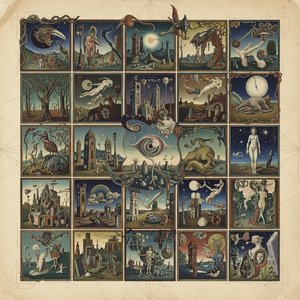
マックス・エルンストの傑作25選。シュルレアリスムを代表する画家、その夢と無意識の世界を描いた絵画や版画を紐解きます。リビングやオフィスに飾るモダンアート、インテリアに最適な作品を見つけませんか?TopImpressionists.comで全コレクションをオンラインで探す。

Explore the rich history & enduring appeal of bronze sculpture with expert insights for collectors. Learn about casting techniques, iconic artists, collecting tips & contemporary interpretations at TopImpressionists.

Journey into the dreamlike world of Surrealism! Explore 10 masterpieces by Dali, Magritte & Miró that redefined art. Discover their stories & find museum-quality reproductions to elevate your home decor on TopImpressionists.com.

Explore the rich history & enduring appeal of bronze sculpture with expert insights for collectors at TopImpressionists. Learn about casting techniques, iconic artists, and collecting tips to build a discerning art collection.


最新の美術ニュース、限定オファー、そしてインテリアのアイデアをいち早くお届けします。
お客様のプロジェクトについてお聞かせください。当社の美術専門家が、お客様に合わせた3つのパーソナライズされた芸術提案をご提供いたします。
あなたにぴったりの3作品を無料で厳選いたします
 プリントを購入
 シェアする
シェアする シェアする
シェアする
 詳細を見る
詳細を見る

 ダウンロード
 似ている作品
 X線調査
X線調査 スライドショー

 詳細を見る
詳細を見る






































 ガラスオプションは、110cm未満のサイズでのみご利用いただけます。


