

迅速な制作と多彩な仕上げオプションを備えた、ミュージアムクオリティのジークレーまたはキャンバスプリント。 ( 手描き画への切り替え 画像に切り替え)





























作品のオリジナル比率に合わせた、当店の規定サイズからお選びください。

特定のフレームやスペースに合わせて、ご自身でサイズを指定することも可能です。選択されたサイズが元の画像の比率と一致しない場合、作品をトリミングするか、鏡面反射または単色での塗りつぶしによって画像を拡張いたします。制作を開始する前に、ご確認用のデジタルモックアップをお送りいたします。
画面上のプレビューには、実際のトリミングや拡張は反映されませんのでご注意ください。最終的な構図を正確に確認できるのは、モックアップのみとなります。
カスタムサイズも承っておりますが、元の比率を維持するためには、あらかじめ用意されたリストからサイズを選択することをお勧めいたします。

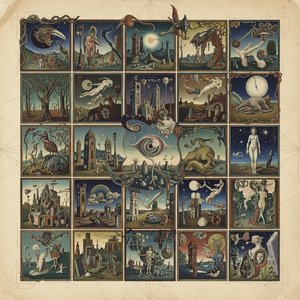
La fuite
複製画のサイズ
Max Ernst’s “La Fuite,” painted in 1925 during the height of Surrealism, isn't merely a depiction of a woman; it’s an embodiment of existential anxiety and a visual manifesto of the movement’s core principles. Created shortly after World War I ended, the painting reflects the pervasive disillusionment felt across Europe – a yearning for beauty amidst the ruins of shattered empires and a questioning of rational thought in the face of overwhelming trauma.
Ernst’s signature style is instantly recognizable. He employs a technique known as “frottage,” where he rubs a textured surface – often paper covered with wax crayons – onto another piece of paper to generate random patterns and textures. These patterns are then meticulously integrated into the composition, creating an unsettling blend of organic and geometric forms. The resulting image feels like stepping directly into a dreamscape—a realm governed by subconscious impulses rather than conscious control.
Surrealism emerged as a reaction to the horrors of Verdun and Sarajevo, rejecting logic and reason in favor of exploring the irrational depths of the human psyche. Artists like Ernst sought inspiration from Freud's theories on psychoanalysis, attempting to liberate creativity from the constraints of conscious thought. “La Fuite” exemplifies this ethos by presenting a fragmented narrative devoid of conventional storytelling—a deliberate disruption intended to provoke contemplation and challenge viewers’ perceptions.
The painting is rife with symbolic imagery. The prominent window represents aspiration – a desire to glimpse beyond the confines of reality into realms of imagination and possibility. Conversely, the mirror reflects back upon itself, suggesting introspection and confronting one’s own anxieties. Most powerfully, however, is the woman herself, positioned in an expansive pose, seemingly attempting to escape—a visual metaphor for overcoming obstacles and embracing liberation.
"La Fuite" possesses a captivating unsettling beauty. Ernst's masterful manipulation of texture and color creates a palpable sense of unease, mirroring the psychological turmoil experienced during the postwar period. Yet, beneath this surface tension lies an undeniable impulse toward transcendence—a celebration of creativity as a means of confronting darkness and reclaiming agency. It’s a painting that lingers in the mind long after viewing, prompting viewers to consider questions about identity, freedom, and the elusive nature of truth.

1891 - 1976 , ドイツ
マックス・エルンストの傑作25選。シュルレアリスムを代表する画家、その夢と無意識の世界を描いた絵画や版画を紐解きます。リビングやオフィスに飾るモダンアート、インテリアに最適な作品を見つけませんか?TopImpressionists.comで全コレクションをオンラインで探す。

ダリ、マグリット…シュルレアリスムを代表する10選を紐解く。夢と無意識の世界へ誘う傑作の裏側を徹底解説。空間に彩りを添える、至高のアートプリントを見つけませんか?TopImpressionists.comでコレクションを探索しよう。

アンリ・マティスの傑作25選🎨 色彩と情熱が織りなす世界を旅する。フォーヴィスム代表の巨匠、マティスの絵画の魅力と歴史を紐解きます。TopImpressionistsで高品質なアートプリントや複製画を見つけ、インテリアに芸術的な輝きを✨ Explore the full collection online

Explore the rich symbolism of the red dress in art history! From ancient power displays to iconic portraits like Cézanne’s 'Madame Cezanne', discover the cultural and artistic significance behind this captivating color. Expert analysis & insights.

Explore the evolution of dynamic composition in art history – from chiaroscuro masters to abstract expressionism. Discover how artists like Kandinsky & Pollock embodied energy and movement on canvas. Expert insights for discerning collectors.


最新の美術ニュース、限定オファー、そしてインテリアのアイデアをいち早くお届けします。
お客様のプロジェクトについてお聞かせください。当社の美術専門家が、お客様に合わせた3つのパーソナライズされた芸術提案をご提供いたします。
あなたにぴったりの3作品を無料で厳選いたします

 プレビュー
プレビュー
 シェアする
シェアする シェアする
シェアする
 詳細を見る
詳細を見る

 ダウンロード
 似ている作品
 X線調査
X線調査 スライドショー
 詳細を見る
詳細を見る









 ガラスオプションは、110cm未満のサイズでのみご利用いただけます。


