
迅速な制作と多彩な仕上げオプションを備えた、ミュージアムクオリティのジークレーまたはキャンバスプリント。 ( 手描きの絵画を購入 画像を購入)





























作品のオリジナル比率に合わせた、当店の規定サイズからお選びください。

特定のフレームやスペースに合わせて、ご自身でサイズを指定することも可能です。選択されたサイズが元の画像の比率と一致しない場合、作品をトリミングするか、鏡面反射または単色での塗りつぶしによって画像を拡張いたします。制作を開始する前に、ご確認用のデジタルモックアップをお送りいたします。
画面上のプレビューには、実際のトリミングや拡張は反映されませんのでご注意ください。最終的な構図を正確に確認できるのは、モックアップのみとなります。
カスタムサイズも承っておりますが、元の比率を維持するためには、あらかじめ用意されたリストからサイズを選択することをお勧めいたします。

Le chant de la grenouille
複製画のサイズ
Max Ernst’s "Le Chant de la Grenouille" ("The Song of the Frog") is a captivating oil painting that exemplifies his mastery of surrealism while retaining a deep connection to the natural world. Created during a pivotal period in art history, this large-scale work transports viewers into an immersive and dreamlike landscape, brimming with life and symbolic meaning.
To fully appreciate "Le Chant de la Grenouille," it's essential to understand its historical context. Max Ernst was a key figure in the Dada movement, which emerged in the aftermath of World War I as a reaction against societal norms and traditional artistic values. Dada artists sought to challenge conventions through absurdity, humor, and unconventional techniques. Ernst’s work evolved beyond Dadaism into Surrealism, exploring the realm of dreams, the subconscious, and unexpected juxtapositions. "Le Chant de la Grenouille" beautifully embodies this transition, retaining a playful spirit while delving into deeper psychological themes.
The painting itself is a visual feast. Ernst depicts a dense forest scene overflowing with vibrant greenery and an array of plant species. The colors are rich and varied – deep emeralds, lighter limes, and scattered accents of blue create a sense of depth and vitality. The composition lacks a single focal point; instead, the eye wanders through a complex network of lines and shapes, mimicking the tangled growth of nature. Two prominent butterflies—one near the center-left and another towards the right—add to the scene's dynamism, symbolizing freedom, transformation, and perhaps even the fleeting beauty of life. The title, "Le Chant de la Grenouille," suggests a connection between nature’s sounds and artistic expression, hinting at the frog’s song as a metaphor for creativity itself.
Ernst's technique in "Le Chant de la Grenouille" is remarkable. He employed thick application of oil paint (impasto) to create a tactile surface, layering colors and textures to evoke the feeling of dense vegetation. The visible brushstrokes and scraping techniques suggest a dynamic process of creation, as if Ernst was actively engaging with the canvas to capture the essence of nature's wildness. This approach aligns with his broader experimentation with various artistic methods, including frottage (rubbing) and collage, which he pioneered to unlock new avenues for creative expression.
Max Ernst’s innovative spirit continues to inspire artists today. His blending of natural subjects with surrealist techniques has resonated with generations, influencing figures like Hunt Slonem, known for his maximalist paintings of wildlife that share a similar appreciation for vibrant colors and organic forms. "Le Chant de la Grenouille" stands as a testament to Ernst’s enduring legacy—a powerful work that challenges conventions, celebrates the beauty of nature, and invites viewers to explore the boundless realms of imagination.

1891 - 1976 , ドイツ
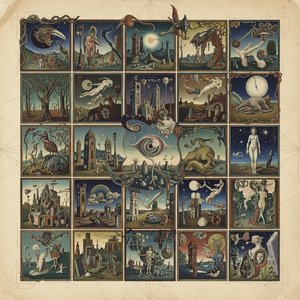
マックス・エルンストの傑作25選。シュルレアリスムを代表する画家、その夢と無意識の世界を描いた絵画や版画を紐解きます。リビングやオフィスに飾るモダンアート、インテリアに最適な作品を見つけませんか?TopImpressionists.comで全コレクションをオンラインで探す。

Immerse yourself in the captivating world of slate blue! Explore 10 iconic paintings by Monet, Van Gogh & Renoir. Discover their stories, techniques & find museum-quality art reproductions for your home at .

Explore the rich history & symbolism of green in art! Discover iconic paintings, techniques, and how to bring verdant harmony into your home with TopImpressionists's expert guide.

Explore 10 famous paintings where 'Chrome Green' reigns supreme! Discover Monet, Manet & Van Gogh’s masterpieces. Learn the stories behind these iconic artworks and find museum-quality art reproductions for your home at .
Explore the rich history of blue in art! Discover its symbolism, from ancient pigments to modern masterpieces by Kandinsky & Seurat. Uncover the psychological impact and cultural meanings behind this captivating hue.


最新の美術ニュース、限定オファー、そしてインテリアのアイデアをいち早くお届けします。
お客様のプロジェクトについてお聞かせください。当社の美術専門家が、お客様に合わせた3つのパーソナライズされた芸術提案をご提供いたします。
あなたにぴったりの3作品を無料で厳選いたします


 プレビュー
プレビュー
 シェアする
シェアする シェアする
シェアする
 詳細を見る
詳細を見る

 ダウンロード
 似ている作品
 X線調査
X線調査 スライドショー

 詳細を見る
詳細を見る









 ガラスオプションは、110cm未満のサイズでのみご利用いただけます。


