































作品のオリジナル比率に合わせた、当店の規定サイズからお選びください。

特定のフレームやスペースに合わせて、ご希望のサイズをご入力いただけます。選択されたサイズが元の画像の比率と異なる場合、アートワークをトリミングするか、手描きで要素を追加して絵画を拡張いたします。デジタルモックアップ を制作し、制作開始前にご確認(承認)をいただきます。
画面上のプレビューは、実際のトリミングや拡張を正確に反映しているものではありません。最終的な構図は、モックアップによってのみ正確にご確認いただけます。
カスタムサイズもご利用いただけますが、元の比率を維持するためには、あらかじめ用意されたリストからサイズを選択することをお勧めいたします。

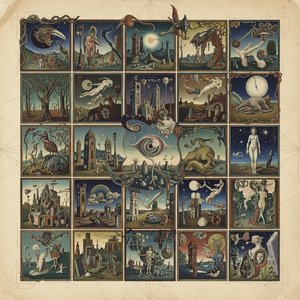
untitled (8131)
複製画のサイズ
Max Ernst's "Untitled (8131)" presents a deceptively simple portrait – a face dominated by intense, crimson eyes and a subtly unsettling composition. Yet, within this apparent austerity lies a complex tapestry woven from the threads of Surrealism, psychological exploration, and a profound questioning of reality itself. Painted by one of the most influential artists of the 20th century, this work embodies Ernst’s lifelong fascination with the subconscious mind and his rejection of traditional artistic conventions.
The subject's face, rendered with a stark realism that quickly dissolves into ambiguity, immediately draws the viewer in. The most striking element is undoubtedly the eyes – pools of vibrant red, devoid of natural pupils, they possess an unnerving intensity. This deliberate distortion isn’t merely stylistic; it reflects Ernst’s interest in exploring the darker aspects of human perception and emotion. The artist's use of color, particularly this bold crimson, suggests a heightened state of awareness or perhaps even a descent into dreamlike imagery. The subtle inclusion of two small circles within the background adds another layer of intrigue, prompting speculation about their significance – are they distant planets, symbolic representations of inner worlds, or simply visual anomalies designed to disrupt our expectations?
Ernst's approach to painting was deeply rooted in the principles of Surrealism, a movement that sought to liberate art from rational control and tap into the realm of dreams and the unconscious. “Untitled (8131)” exemplifies this through techniques such as automatism – a method where the artist relinquishes conscious control, allowing the subconscious to guide their hand. While the precise application of automatism in this particular piece isn't definitively documented, it’s highly probable that Ernst employed variations of this technique to achieve its unsettling and evocative quality. His meticulous attention to detail, combined with his willingness to embrace irrationality, creates a powerful tension between order and chaos.
Created during the interwar period in Germany – a time of immense social and political upheaval – “Untitled (8131)” reflects the anxieties and uncertainties of the era. The rise of psychoanalysis, championed by figures like Sigmund Freud, profoundly influenced artistic thought, leading artists to explore the hidden depths of the human psyche. Ernst’s work aligns with this intellectual current, utilizing symbolism to convey complex ideas about identity, perception, and the nature of reality. The red eyes can be interpreted as symbols of passion, danger, or perhaps even a warning – a reflection of the turbulent times in which Ernst was working.
"Untitled (8131)" remains a compelling work due to its ability to evoke a visceral response. The painting’s unsettling gaze, combined with its ambiguous symbolism, invites viewers to confront their own fears and anxieties. Max Ernst's legacy extends far beyond his individual creations; he was instrumental in shaping the course of 20th-century art, paving the way for subsequent generations of Surrealist artists and challenging conventional notions of representation. A hand-painted reproduction offers a unique opportunity to experience the full power of this enigmatic masterpiece.

1891 - 1976 , ドイツ

時代を象徴する超現実表現主義の10大傑作。ダリ、エルンストら巨匠の世界に浸り、その物語と技法を紐解きます。色彩と感情が織りなす芸術の深淵へ。TopImpressionists.comで美術館品質のアートプリントと洗練されたインテリアを見つけましょう!

サルバドール・ダリの傑作25選。夢、深層心理、シュルレアリスムの世界を旅する美術史ツアー🎨 TopImpressionistsで高品質な版画や絵画をお楽しみください。リビングやオフィスに名画を飾りませんか?今すぐコレクションをご覧ください!
マックス・エルンストの傑作25選。シュルレアリスムを代表する画家、その夢と無意識の世界を描いた絵画や版画を紐解きます。リビングやオフィスに飾るモダンアート、インテリアに最適な作品を見つけませんか?TopImpressionists.comで全コレクションをオンラインで探す。

ジョアン・ミロの傑作25選🎨 シュルレアリスムを代表する巨匠、ミロの世界へ。色彩と象徴に満ちた絵画の物語を紐解き、インテリアアートのインスピレーションを得ましょう。TopImpressionistsで高品質なアートプリントをお探しください✨

ダリ、マグリット…シュルレアリスムを代表する10選を紐解く。夢と無意識の世界へ誘う傑作の裏側を徹底解説。空間に彩りを添える、至高のアートプリントを見つけませんか?TopImpressionists.comでコレクションを探索しよう。


最新の美術ニュース、限定オファー、そしてインテリアのアイデアをいち早くお届けします。
お客様のプロジェクトについてお聞かせください。当社の美術専門家が、お客様に合わせた3つのパーソナライズされた芸術提案をご提供いたします。
あなたにぴったりの3作品を無料で厳選いたします
 プリントを購入
 シェアする
シェアする シェアする
シェアする
 詳細を見る
詳細を見る

 ダウンロード
 似ている作品
 X線調査
X線調査 スライドショー

 詳細を見る
詳細を見る









 ガラスオプションは、110cm未満のサイズでのみご利用いただけます。


