































作品のオリジナル比率に合わせた、当店の規定サイズからお選びください。

特定のフレームやスペースに合わせて、ご希望のサイズをご入力いただけます。選択されたサイズが元の画像の比率と異なる場合、アートワークをトリミングするか、手描きで要素を追加して絵画を拡張いたします。デジタルモックアップ を制作し、制作開始前にご確認(承認)をいただきます。
画面上のプレビューは、実際のトリミングや拡張を正確に反映しているものではありません。最終的な構図は、モックアップによってのみ正確にご確認いただけます。
カスタムサイズもご利用いただけますが、元の比率を維持するためには、あらかじめ用意されたリストからサイズを選択することをお勧めいたします。

untitled (8952)
複製画のサイズ
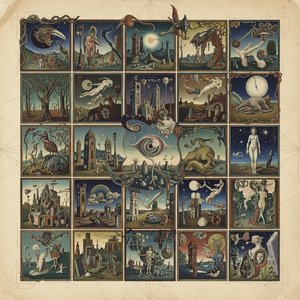
Max Ernst's "Untitled (8952)" is not merely a depiction of a scene; it’s an immersion into the subconscious, a meticulously crafted exploration of surrealist anxieties and desires. This enigmatic work, dating from the artist’s prolific output during the early to mid-20th century, immediately captivates with its unsettling juxtaposition of familiar elements – a horse-drawn carriage, bicycles, and figures – arranged within a landscape that defies logical interpretation. The painting speaks volumes about Ernst's fascination with dreams, automatism, and the power of the irrational, themes central to his contribution to the Surrealist movement.
Ernst’s technique in “Untitled (8952)” is a testament to his innovative approach to painting. He masterfully employs collage elements, layering textures and fragments that contribute to the work's dreamlike quality. The application of paint – often built up in thick impasto – further enhances this effect, creating a tactile surface that invites close inspection. Crucially, Ernst utilized techniques of *automatism*, a core principle of Surrealism, allowing his unconscious mind to guide the brush and shape the composition. This process resulted in unexpected forms and arrangements, reflecting the fluidity and instability inherent in dreams.
The central image – a horse pulling a carriage – immediately evokes powerful symbolism. The horse, often associated with power, labor, and even death, is presented here in an unconventional manner, suggesting a disruption of traditional hierarchies. The presence of bicycles adds another layer of complexity, representing both progress and the potential for alienation within modern society. The figures themselves, seemingly caught in a moment of interaction or observation, represent humanity’s struggle to understand its place in the world – a theme frequently explored by Ernst through his art. The arrangement feels deliberately disjointed, mirroring the fragmented nature of memory and experience.
"Untitled (8952)" was created during a period of profound social and political upheaval following World War I. The devastation and disillusionment experienced by many Europeans fueled a desire to challenge conventional values and explore alternative modes of thought. Surrealism, born out of this context, sought to liberate the imagination from the constraints of reason and logic. Ernst’s work reflects this spirit of rebellion, offering a visual language for expressing anxieties about modernity, war, and the human condition. His exploration of psychological themes – influenced by his studies in psychology and psychiatry – aligns perfectly with the Surrealist movement's interest in the unconscious mind.
Ultimately, “Untitled (8952)” resonates with a profound sense of unease and ambiguity. The painting doesn’t offer easy answers or resolutions; instead, it invites viewers to confront their own anxieties and uncertainties. Its unsettling composition and symbolic imagery create a powerful emotional response, prompting contemplation on themes of control, freedom, and the nature of reality itself. This reproduction captures not just an image but the very essence of Ernst's artistic vision – a testament to his enduring legacy as one of the most influential artists of the 20th century.

1891 - 1976 , ドイツ
マックス・エルンストの傑作25選。シュルレアリスムを代表する画家、その夢と無意識の世界を描いた絵画や版画を紐解きます。リビングやオフィスに飾るモダンアート、インテリアに最適な作品を見つけませんか?TopImpressionists.comで全コレクションをオンラインで探す。

Explore the captivating world of Surrealism with TopImpressionists. Discover its origins, key artists like Dalí & Ernst, and enduring influence on art history. High-quality reproductions available.

Transform your living room with iconic art! Explore our guide to the Top 10 most famous paintings – from Van Gogh's Starry Night to Mona Lisa. Discover artist stories, techniques & find museum-quality reproductions for timeless decor. Explore the full collection on

ルネ・マグリット傑作25選。シュルレアリスムを代表するベルギー絵画の巨匠、その幻想的な世界と隠されたメッセージを紐解きます。TopImpressionistsで高品質なアートプリントや複製画を見つけ、お部屋に名画の感動を。今すぐコレクションをご覧ください。

Explore 10 iconic paintings dominated by 'bone' tones – from Rembrandt & Caravaggio to Goya. Discover art history, techniques & find museum-quality reproductions for your home decor at . Explore the full collection online.


最新の美術ニュース、限定オファー、そしてインテリアのアイデアをいち早くお届けします。
お客様のプロジェクトについてお聞かせください。当社の美術専門家が、お客様に合わせた3つのパーソナライズされた芸術提案をご提供いたします。
あなたにぴったりの3作品を無料で厳選いたします
 Preview
 プリントを購入
 シェアする
シェアする シェアする
シェアする
 詳細を見る
詳細を見る

 ダウンロード
 似ている作品
 X線調査
X線調査 スライドショー

 詳細を見る
詳細を見る









 ガラスオプションは、110cm未満のサイズでのみご利用いただけます。


