

展示内容: · 額縁を含むサイズ:
 設置イメージを表示

 シェアする
 シェアする
 詳細を見る
 解説シート


 ダウンロード
 似ている作品
 X線調査
 スライドショーを表示
 Q&A

 統計情報
Found (マックス・クリンガー)


キャンバスおよびファインアートプリント:36 x 28 cmサイズ、¥7794から
- 3〜4週間で世界中へ無料配送
- 筒入りプリントの配送期間は3〜4週間です
- 100日間返品・返金保証
- ArtShopReviews.comにて241件のカスタマーレビューに基づき、5つ星中4.9の評価を獲得
¥ 12089
ジークレー/アートプリント
スピーディーな制作と多彩な仕上げオプションが魅力の、ミュージアムクオリティなジークレー・キャンバスプリント。 ( 印象派の油彩画 デジタル複製版
)
技法・素材
 詳しく読む
お手頃な価格のプリント:コットンキャンバスの代わりに260 g/m²のポリエステルキャンバスに同じ画像をプリントしたものです。筒状に丸めた状態で、通常郵便にて3〜4週間でお届けします。丸巻きのみの配送(ストレッチャーやフレームは付属しません)で、特急制作には対応しておりません。片辺の長さが 80 cm以下のサイズが対象です。コットンキャンバスプリントに比べ、約30%お得です。
このサイズではご利用いただけません。少なくとも一辺が 80 cm以下である必要があります。
筒巻きのみ:このプリントをご希望の場合は、筒巻き(ロール状)のキャンバスをお選びください。
長辺が 110 cm以下のサイズに対応しています。これより大きいサイズの場合は、マットコットンキャンバスにプリントされます。
このサイズではマット・アーカイブ・キャンバスはご利用いただけません。長辺が 110 cm以内のサイズのみ対応しております。そのため、マット・コットン・キャンバスにてプリントされます。
ガラスオプションは、110cm未満のサイズでのみご利用いただけます。
サイズ
·作品のオリジナル比率に合わせた、当店の規定サイズからお選びください。
サイズを読み込み中...

横幅
高さ
額縁や壁のスペースに合わせて、ご希望の幅と高さを入力してください。プリントはカットすることは可能ですが、元の画像より大きくすることはできないため、異なる比率のサイズを選択された場合は、画像の一部が欠けることになります。印刷を開始する前に、内容を確認していただくためのデジタルモックアップをお送りいたします。このページに表示されている画像は、実際のカット後の状態を示すものではありません。実際の仕上がりはモックアップにてご確認ください。
標準サイズ
オーダーメイド
CM
インチ
仕上げ
·
白の側面仕上げ ¥1

エッジぼかし仕上げ ¥1

回り込み仕上げ ¥1

P118B ¥10

P118H ¥10

P118W ¥10

P438Z ¥10

P508JH ¥12

P508YH ¥12

P805H ¥10

P805Z ¥10

P919BZ ¥10

P919G ¥10

P919XJ ¥10

P959ZH ¥10

P968JZ ¥12

W106C ¥8

W218G ¥10

W218JH ¥8

W218Y ¥10

W307PJ ¥10

W316G ¥10

W316PJ ¥8

W316Y ¥10

W398PJ ¥8

W4111J ¥10

W500HY ¥15

W500JH ¥15

W692G ¥12

W849H ¥8

W940BG ¥15

W953PJ ¥8
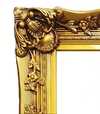
H24-GOLD ¥30
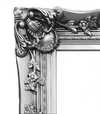
H24-SILVER ¥30
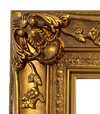
H36-GOLD ¥70
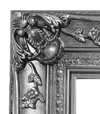
H36-SILVER ¥70
保護用の筒に入れてお届けしますので、お客様ご自身でフレーム(額縁)をご用意いただく形となります。
オプションサービス
任意特典の内容について
世界中への配送()は、標準の4〜5週間ではなく、2週間でお届けいたします。(23 12月)
Economy poly-canvas printは通常郵便での配送となるため、特急制作および速達便のご利用はできません。
保護用ワニス
キャプション
刻印入りブロンズプレートの詳細
このエレガントな銘板には、アーティスト名と作品名が細かく刻印されており、時代を超えて愛される佇まいを演出します。
洗練された気品漂うブロンズ仕上げのプレートです。文字はレーザー刻印により、鮮明かつ永続的な仕上がりを実現しました。サイズは9x2cmとコンパクトながら、高い視認性を備えています。耐久性に優れ、傷がつきにくい仕様となっており、美術館の展示品のようなプロフェッショナルな質感を提供します。付属の両面テープにより、取り付けも簡単です。
透明アクリル銘板の詳細
銘板には、作家名、作品タイトル、制作年、技法(キャンバスに油彩、水彩など)、作品の簡潔な解説、そして作品の詳細情報へアクセスできるQRコードといった、不可欠な刻印情報が含まれています。
透明なアクリル素材を使用し、洗練されたモダンな外観に仕上げました。文字は黒色のUV彫刻を施しており、高いコントラストで視認性に優れています。サイズは10x15 cmで、読みやすさを最適化しています。壁面への確実な取り付けができるよう、2つの金属製フックが付属しています。耐候性に優れた設計により、さまざまな環境での使用が可能です。また、スマートフォンのスキャンでスムーズに動作するインタラクティブな機能も備えています。
黒アクリル製銘板の詳細
このエレガントな銘板には、作家名、作品タイトル、制作年、技法(キャンバスに油彩、水彩など)、作品の短い解説、そして詳細情報へ素早くアクセスできるQRコードなどの刻印情報が含まれています。
プレート本体は、上質な仕上げを施した洗練されたブラックアクリル製です。文字はコントラストが高く、視認性に優れたホワイトのレーザー刻印で仕上げられています。サイズは読みやすさを考慮した10x15 cmです。取り付け用の金属製フックが2つ付属しており、プロフェッショナルな設置が可能です。洗練されたデザインは、あらゆるインテリアスタイルに調和します。また、耐候性と耐久性に優れ、モバイル連携のためのデジタル統合機能も備えています。
ガラスオプションは、110cm未満のサイズでのみご利用いただけます。
 ガラスオプションは、110cm未満のサイズでのみご利用いただけます。
- 3〜4週間で世界中へ無料配送
- 高品質なリネンキャンバス
- 配送時完全保険付
- 関税・輸入税の払い戻し保証
- 真の色彩再現に関する保証
- 100日間返品・返金保証
- 100% 全額返金保証
- まとめ買い割引のご案内


Found:マックス・クリンガーとSymbolismの時代
Two figures kneel in despair beneath a suspended form in this dramatic monochromatic etching filled with dense, swirling cross-hatching.
マックス・クリンガー:プロフィール
『手袋の発見のパロディ』は夢から着想を得た作品です。各図版の中で手袋がどのように描かれているか、その様子を詳しく見ていきましょう。
作品詳細
The Artwork Found by Max Klinger
In the quiet tension of Found, the viewer encounters a scene of profound emotional distress. Max Klinger, born in 1857 in Leipzig, Germany, presents a vision that feels caught in a moment of sudden, sharp anguish. The composition draws the eye upward through a pyramidal arrangement, where two figures kneel in supplication at the base. Above them, a third figure remains suspended on a rigid rectangular plane, creating a sense of unsettling verticality. The atmosphere is heavy with a feeling of helplessness, as if the figures are trapped within a swirling chaos of lines that refuse to settle.
The imagery suggests a narrative of torment or judgment, though the exact nature of the suffering remains a mystery. Shadows and highlights dance across the forms, emphasizing the intensity of the facial expressions and the physical strain of the subjects. There is a palpable sense of unease in the way the figures interact with the space around them. The scene does not offer the comfort of a clear light source, leaving the viewer to navigate the deep shadows and the turbulent, textured background that seems to pulse with internal turmoil.
Composition and Visual Elements
A heavy, pyramidal structure dictates the movement of the scene, pulling the eye upward through a tense arrangement of forms. At the base, two figures kneel in a state of supplication, their bodies anchoring the bottom of the triangle. Above them, a third figure remains suspended on a rigid, rectangular plane, creating a jarring contrast between the organic curves of the human forms and the unyielding geometry of the platform. This vertical tension holds the viewer in a state of suspended animation, caught between the grounded suffering below and the hovering presence above.
The background refuses to remain still. Dense, swirling lines churn through the space, suggesting a world in a state of constant, chaotic turmoil. These lines wrap around the figures, blurring the distinction between the subjects and the atmosphere surrounding them. Light and shadow dance unevenly across the scene, with deep, heavy blacks clashing against pale highlights to emphasize the emotional weight of the figures. The perspective feels strangely flattened, yet the layering of these dark, textured shapes creates a sense of depth that pulls the viewer into the center of the struggle.
Technique and Artistic Materials
The scene emerges from a monochromatic world, where every shadow and highlight relies on a careful dance of gray tones. This is the result of a meticulous printmaking process, likely an etching or an engraving. One can almost feel the physical resistance of the metal plate as the artist uses sharp etching needles to incise deep, deliberate lines into the surface. These marks do not merely outline forms; they build a dense, textured landscape through heavy cross-hatching that catches the light and holds the darkness in place.
The materials used in this creation speak to a tactile, hands-on labor. A metal plate, perhaps zinc or copper, receives the initial wounding of the needle, creating the channels that will eventually hold the ink. Once the incised lines are ready, ink is pressed into these grooves, transferring the soul of the plate onto paper. This method allows for a staggering level of detail, where the swirling, chaotic lines of the background and the sharp, angular contours of the figures emerge from the interplay of ink and fiber.
Style and Artistic Movement
The work breathes with the heavy, restless energy of late 19th-century Expressionism. Every line seems to vibrate with an internal tension, pushing beyond mere representation to capture a raw, psychological state. This approach finds a striking kinship with the visual language of Edvard Munch, where the external world bends and twists to mirror the turbulence of the human spirit. The figures do not simply exist in space; they appear caught in a moment of profound emotional upheaval, their forms shaped by the weight of what they feel rather than the strict rules of anatomy.
At its core, the piece is deeply rooted in the Symbolist movement. It moves away from the literalism of the natural world to explore the shadowy, subjective realms of the subconscious. Rather than depicting a clear, objective reality, the imagery functions through a language of signs and metaphors that point toward deeper, unseen truths. The atmosphere is thick with the sense of a dream or a nightmare, where the boundaries between the physical self and the internal psyche begin to dissolve into a swirl of dark, textured lines.
Emotional and Symbolic Themes
Anguish and fear pulse through the scene, casting a heavy shadow over the figures. A profound sense of desperation grips the viewer as the subject matter unfolds, depicting a moment of intense emotional distress and torment. The two kneeling figures at the base of the composition seem trapped in a state of supplication, their bodies conveying a deep-seated helplessness. Above them, a third figure remains suspended on a rigid rectangular plane, watching the suffering below. This triangular arrangement creates a palpable tension, suggesting a heavy power dynamic or the weight of an inevitable judgment.
Chaos swirls in the background, where dense, agitated lines churn like a storm. These movements suggest a state of inner turmoil or perhaps the presence of overwhelming external forces acting upon the souls depicted. The darkness and light do not merely define form; they heighten the psychological weight of the moment. Every line contributes to an atmosphere of unease, as if the very air around the figures is thick with their collective despair. The struggle feels immediate, caught in a perpetual state of spiritual or emotional crisis.
Related Works by Max Klinger
The shadows of the artist's imagination stretch into other graphic cycles, where the boundaries between reality and the subconscious continue to blur. In the series Paraphrase on the Finding of a Glove, a single lost object transforms into a potent fetish, triggering a sequence of dreamlike visions and unsettling encounters. This narrative exploration of desire and loss finds a musical counterpart in the Brahms Fantasies from 1894, where the artist translates the spirit of composition into visual form. These works reveal a mind preoccupied with the hidden currents of human longing and the irrational forces that govern our inner lives.
Other explorations move through the realms of myth and movement. The artist's hand traces the tension found in The Rape of Prometheus and the rhythmic energy of Preparation for the dance. Each piece acts as a window into a world where the physical and the psychological are inseparable. Whether through the meticulous lines of an etching or the heavy presence of a sculpture, the artist's vision remains fixed on the tension between the seen world and the unseen impulses that drive it.
Q&A
Foundの複製画は、手描きですか、それとも印刷ですか?
印刷について:Foundは、コットンキャンバスまたはエプソン・アーカイブ・キャンバス紙にジクレープリントで再現されます。
Foundのサイズはどれを選べばよいですか?
サイズは36.3 x 27.5 cm (¥7794)から248.4 x 188.4 cm (¥70624)まで展開しております。こちらのページ内の表に、主な工程とそれぞれの価格を記載しています。
配送にはどのくらいの時間がかかりますか?
筒入りのプリント作品は、通常郵便にて送料無料でお届けし、3〜4週間で到着いたします。キャンバスへの張り込み、または額装済みの作品については、4〜5週間ほどお時間をいただきます。速達便をご希望の場合は、本ページにて「速達配送オプション」をお申し込みください。また、返品は条件なしで100日以内であれば可能であり、全額返金いたします。
マックス・クリンガーはFoundの制作にどのような画材(メディア)を使用しましたか?
Etching
作品の豆知識とアートクイズ
マックス・クリンガーについて

マックス・クリンガー
1857 - 1920, ドイツ
マックス・クリンガーについてのクイック・ファクト
- Artistic Movement Or Style: 象徴主義
- Artists Or Movements Influenced By This Artist: ['医学解釈学']
- Artists Who Influenced This Artist:
- メンツェル
- ゴヤ
- Date Of Birth: 1857年
- Date Of Death: 1920年
- Full Name: マックス・クリンガー
- Nationality: ドイツ人
- Notable Artworks (List Of Titles):
- 手袋の発見
- ベートーヴェン彫刻
- Place Of Birth (City And Country): ライプツィヒ、ドイツ


マックス・クリンガー
Found
() ·
額縁を含むサイズ: ·
合計金額