


 設置イメージを確認
 送る
送る シェア
シェア
 詳細情報
詳細情報 ガイドを表示

 画像をダウンロード
 似ている作品
 X線調査
X線調査 スライドショー
 統計情報
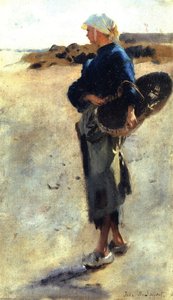
統計情報The Parrot Man


Discover Max Liebermann’s ‘The Parrot Man,’ a vibrant Impressionist oil painting capturing urban life & exotic beauty. Explore rich textures & expressive lines in this unique 19th-century artwork.
 続きを読む
続きを読む
マックス・リーベルマン(1847-1935年):ドイツ印象派を代表する画家。近代生活の鮮やかな情景、洞察力に富んだ肖像画、穏やかな庭園風景で知られています。ベルリン分離派を牽引し、光と色彩の表現を追求しました。
ジークレー/アートプリント
スピーディーな制作と多彩な仕上げオプションが魅力の、ミュージアムクオリティなジークレー・キャンバスプリント。 ( 手描きの複製画を注文する デジタル画像販売へ切り替え)




P118B ¥10

P118H ¥10

P118W ¥10

P438Z ¥10

P508JH ¥12

P508YH ¥12

P805H ¥10

P805Z ¥10

P919BZ ¥10

P919G ¥10

P919XJ ¥10

P959ZH ¥10

P968JZ ¥12

W106C ¥8

W218G ¥10

W218JH ¥8

W218Y ¥10

W307PJ ¥10

W316G ¥10

W316PJ ¥8

W316Y ¥10

W398PJ ¥8

W4111J ¥10

W500HY ¥15

W500JH ¥15

W692G ¥12

W849H ¥8

W940BG ¥15

W953PJ ¥8




標準サイズ
カスタムサイズ
CM
INCH
作品のオリジナル比率に合わせた、当店の規定サイズからお選びください。
Loading sizes...

横幅
高さ
特定のフレームやスペースに合わせて、ご自身でサイズを指定することも可能です。選択されたサイズが元の画像の比率と一致しない場合、作品をトリミングするか、鏡面反射または単色での塗りつぶしによって画像を拡張いたします。制作を開始する前に、ご確認用のデジタルモックアップをお送りいたします。
画面上のプレビューには、実際のトリミングや拡張は反映されませんのでご注意ください。最終的な構図を正確に確認できるのは、モックアップのみとなります。
カスタムサイズも承っておりますが、元の比率を維持するためには、あらかじめ用意されたリストからサイズを選択することをお勧めいたします。


 ガラスオプションは、110cm未満のサイズでのみご利用いただけます。

The Parrot Man
ジークレー/アートプリント
複製画サイズ一覧
-


合計金額
¥ 10597
A Vibrant Snapshot of Urban Life
Max Liebermann's “The Parrot Man,” painted in 1902, isn’t merely a depiction of a street vendor; it’s a carefully constructed tableau brimming with the energy and complexities of early 20th-century Berlin. The painting captures a scene unfolding on what appears to be a bustling promenade or park – a vibrant hub of commerce and casual encounters. Liebermann masterfully uses loose, impressionistic brushstrokes to convey not just the visual appearance but also the atmosphere of the moment: a sense of lively movement, dappled light, and the slightly chaotic beauty of everyday life. The composition is dominated by the central figure of the vendor, his posture radiating confidence as he displays his exotic wares – a collection of brilliantly colored parrots perched on his arms. The blurred background figures, rendered with quick, expressive lines, suggest a continuous flow of activity, drawing the viewer into this intimate slice of urban existence.
Impressionistic Technique and Layered Texture
Liebermann’s technique is a fascinating blend of realism and impressionism. He meticulously observes the details – the folds in the vendor's clothing, the texture of the pavement, the iridescent sheen of the parrot feathers – yet he deliberately avoids photographic precision. Instead, he employs thick impasto brushwork, particularly noticeable on the birds themselves, creating a rich, tactile surface that invites close inspection. The use of color is equally deliberate; blues and greens dominate, reflecting the natural environment, while bursts of red from the parrots inject energy and visual interest. The flattened perspective, characteristic of Impressionism, contributes to the painting’s immediacy, pulling the viewer directly into the scene. Liebermann's skillful manipulation of light and shadow adds depth and a sense of realism despite the overall loose style.
Symbolic Layers: Commerce, Exoticism, and Berlin Identity
“The Parrot Man” is more than just a charming street scene; it’s laden with symbolic meaning. The vendor himself represents commerce and the entrepreneurial spirit of Berlin at the turn of the century – a city rapidly modernizing and embracing new economic opportunities. The parrots, imported from distant lands, embody exoticism and the allure of the “new world,” reflecting Berlin's position as a gateway to Europe and beyond. However, there’s also an element of melancholy in the scene. The vendor’s focused gaze suggests a solitary profession, hinting at the isolation that can accompany commerce. Furthermore, the painting subtly captures the spirit of Berlin itself – a city teeming with life, diversity, and a unique blend of tradition and modernity.
A Legacy of Observation: Liebermann's Artistic Vision
Max Liebermann’s “The Parrot Man” exemplifies his distinctive approach to art. Born in 1847, he initially pursued a more conventional path but ultimately found his true calling in painting. Influenced by Impressionism and Realism, Liebermann developed a unique style characterized by keen observation, masterful technique, and a deep understanding of human psychology. His ability to capture fleeting moments of beauty and emotion resonated with audiences and cemented his place as one of Germany’s most important artists. Reproductions of “The Parrot Man” offer a captivating glimpse into this world, allowing viewers to appreciate Liebermann's artistic vision and the vibrant spirit of early 20th-century Berlin.
よくあるご質問
「The Parrot Man」の推奨されるプリント方法について教えてください。サイズや向きはどうするのが良いでしょうか?
「The Parrot Man」の推奨プリント設定は、サイズMedium、向きPortraitです。
「The Parrot Man」の技法とスタイルについて教えてください。
マックス・リーベルマン作「The Parrot Man」は、Oil On Canvasの技法とImpressionismの様式を融合させた作品です。技法(テクニック)は制作手法を、様式(ムーブメント)はその作品のスタイルを表しています。
「The Parrot Man」のファインアートプリントは販売されていますか?
マックス・リーベルマン作「The Parrot Man」のプリントをご希望の方は、このページよりご注文いただけます:コットンキャンバスまたはアーカイブ品質のキャンバスペーパーに施されたファインアートプリント。
「The Parrot Man」は、どのアーティストの作品とされていますか?
「The Parrot Man」を手がけたアーティストはマックス・リーベルマンです。この作品はマックス・リーベルマンの名でカタログに登録されています。
マックス・リーベルマン作「The Parrot Man」の手描き複製画を販売しているのはどこですか?
マックス・リーベルマン作「The Parrot Man」の手描きによる複製画は、このページにてご注文いただけます:リネンキャンバスに手描きされた油彩複製画(受注制作)
The Parrot Manは、マックス・リーベルマンのキャリアにおけるどの時期の作品にあたりますか?
「The Parrot Man」は、マックス・リーベルマンのキャリアにおけるMature Periodに属します。この分類は、作品をアーティストの画業の変遷に関連付けるものです。
マックス・リーベルマン作「The Parrot Man」はパブリックドメインですか?
マックス・リーベルマン作「The Parrot Man」はパブリックドメイン(著作権消滅)です。このステータスは、作品の画像の複製方法を規定するものです。
関連作品


アーティストについて
光に魅せられた人生:マックス・リーベルマンの世界
1847年、裕福なユダヤ人家庭に生まれたマックス・リーベルマンは、必ずしも印象派の画家として名を馳せる道を選んだわけではありませんでした。当初は、ベルリン大学で法学や哲学を学ぶことが推奨されましたが、彼の真の天職は、裁判所よりもキャンバスから遥かに強く響き渡りました。しかし、この初期の知的な探求期間は、彼が周囲の世界を観察する鋭い眼差しと、それを表現するための思慮深いアプローチを培う上で重要な役割を果たしました。ヴァイマル、パリ、そしてオランダでの研究を通して、彼の芸術的才能が開花し、多様なスタイルに触れ、光と色彩への繊細な感性を特徴とするキャリアの基礎が築かれました。彼は単に目に見えるものを描いていたのではなく、経験そのものの本質をキャンバスに翻訳していたのです。リーベルマンの初期作品は、労働者階級の人々の日常生活を描いたものが多く、当時のロマン主義的な美学に挑戦する自然主義的な表現を用いていました。これらの絵画は社会批判を意図したものではなく、尊厳と敬意が込められた人間存在の正直な描写でした。ドイツにおける印象主義の受容
リーベルマンの芸術的発展は、フランスの写実主義との出会い、そして何よりも新興の印象派運動に深く影響を受けました。エドゥアール・マネの精神—その大胆さ、アカデミックな慣習への拒絶、現代生活への焦点—は、リーベルマンに強く共鳴しました。しかし彼は、パリで見たものを単純に模倣するのではなく、これらの原則をドイツ人の感性に適合させ、独自の印象主義を生み出しました。彼のパレットはより明るくなり、筆致はより自由奔放になり、そしてブルジョワ階級の余暇や、ヴァンゼー湖畔にある静かな庭園の風景へと主題が移り変わりました。特にこの庭園は、キャリアを通して繰り返し描かれるモチーフとなり、変化の激しい外部の世界から逃避できる聖域を提供し、光と大気の探求のための無限のインスピレーションを与えました。彼は単に花や葉を描いていたのではなく、夏の感情、太陽の暖かさ、葉の間をそよぐ穏やかな風を捉えていたのです。風景画の他に、リーベルマンは求められる肖像画家としても確立し、アルベルト・アインシュタインやパウル・フォン・ヒンデンブルクといった著名人の象徴的な作品を含む200点以上の依頼作品を完成させました。これらの肖像画は単なる似顔絵ではなく、微妙なジェスチャーと表情を通して被写体の内面を描き出す洞察力に富んだ性格研究でした。芸術的自由の擁護者
リーベルマンはただ絵を描くだけでなく、芸術的な革新と独立を積極的に支持しました。伝統的な美術界が課す制約を認識した彼は、1898年にベルリン分離派を結成し、10年以上にわたりこのアヴァンギャルドなグループを率いました。分離派は従来の規範に挑戦し、アカデミックな伝統の枠外で活動するアーティストのためのプラットフォームを提供しました。芸術的自由への彼のコミットメントは、彼自身の作品にとどまらず、アーティストは政治的またはイデオロギー的な圧力なしに自由にビジョンを探求できると強く信じていました。1909年にプロイセン美術アカデミーの会員に選出され、その後1920年には学長に就任したことは、彼のドイツ美術界における影響力の高まりを示す証でしたが、これらの地位はまた、彼が直面するであろう反ユダヤ主義とナショナリズムの高まりを目の当たりにする機会でもありました。変化する世界の影:遺産と不屈の精神
ナチズムの台頭は、リーベルマンの晩年にも暗い影を落としました。差別に対する彼の原則的な姿勢から、1933年にプロイセン美術アカデミーを辞任することになり、これは彼の価値観を妥協させることを拒否した勇気ある行為でした。迫害が激化する中も彼は絵を描き続け、芸術の中に安らぎと目的を見出しました。1935年、ベルリンで亡くなり、絵画や版画という豊かな遺産を残し、そして芸術的自由への深いコミットメントを後世に残しました。彼の妻マルタは、ホロコーストの悲劇を示すように、1943年に自ら命を絶ちました。戦後長年、リーベルマンの作品はやや見過ごされていましたが、近年ではドイツ印象主義と近代美術史における彼の貢献が再評価されています。今日、彼は優れた画家としてだけでなく、芸術的表現の勇敢な擁護者であり、暴政に対する抵抗の象徴として記憶されています。彼の絵画は、その輝かしい美しさ、洞察力に富んだ観察眼、そして永続する人間性によって、今もなお鑑賞者の心を魅了し続けています。主な功績と持続的な影響
- 「神殿の12歳のイエス」: この初期作品は、伝統的な宗教的図像に挑戦するセミティックな容姿をしたイエスの珍しい描写により、大きな議論を巻き起こしました。
- ベルリン分離派のリーダーシップ: アヴァンギャルドな運動を率いる彼の重要な役割は、芸術的規範に挑戦し、ドイツにおける近代美術への道を開きました。
- プロイセン美術アカデミーの学長: 彼の芸術的才能が認められた重要な出来事でしたが、最終的にはナチズムの台頭によって妥協されました。
- 卓越した肖像画: 200点以上の依頼作品を通して被写体の本質を捉える彼の能力は、主要な肖像画家としての彼の評判を確固たるものにしました。
- ドイツ印象主義への影響: リーベルマンは、印象主義の原則をユニークなドイツの文脈に適応させ、次世代のアーティストにインスピレーションを与えました。

マックス・リーベルマン
1847 - 1935 , ドイツ
アーティスト情報
- Artistic Movement Or Style: 印象派
- Artists Or Movements Influenced By This Artist: ['ドイツ印象派']
- Artists Who Influenced This Artist: ['エドゥアール・マネ']
- Date Of Birth: 1847年7月20日
- Date Of Death: 1935年2月8日
- Full Name: マックス・リーベルマン
- Nationality: ドイツ人
- Notable Artworks (List Of Titles):
- 「12歳のイエス…」
- 「オランダの農家」
- 「マックス・リンデ博士の肖像」
- Place Of Birth (City And Country): ドイツ、ベルリン
関連記事

The Timeless Beauty of Oil on Panel: Capturing Light and Texture through the Impressionist Lens
Discover the exquisite depth of oil on panel. Explore how Impressionist masters captured light and texture through tactile brushwork, and learn how to bring these museum-quality, hand-painted masterpieces into your home with expert curation.

Capturing the Soul: The Ethereal Magic and Timeless Technique of Impressionist Portraiture
Discover the ethereal beauty of Impressionist portraiture. Explore how masters like Monet and Renoir captured light and soul through brushwork, and learn how to bring this timeless magic into your home with exquisite, hand-painted oil reproductions from TopImpressionists.com.

The Soul of Impressionism: Why Oil on Canvas Captures Eternal Light and Timeless Emotion
Discover the enchanting alchemy of Impressionism. Explore how the mastery of oil on canvas, through glazing and impasto, captures eternal light and emotion. Perfect for lovers of Monet and Van Gogh seeking the profound depth of hand-painted fine art.

The Timeless Charm of Oil on Board: Reimagining Texture and Light through the Impressionist Lens
Discover the profound intimacy of oil on panel. Explore how Impressionist masters used rigid supports to capture light, texture, and impasto depth through exquisite, handmade oil reproductions for discerning collectors.

From Fleeting Moments to Eternal Masterpieces: Transform Your Memories into Bespoke Impressionist Oil Paintings
Elevate your cherished memories with TopImpressionists.com. We transform your photos into exquisite, hand-painted Impressionist oil masterpieces. Experience the timeless texture of real brushstrokes and professional artistry to create a lasting legacy for your home.
