
 PrintWallArt
 188519th Century
 36.0 x 52.0 cm
 サイエンス・ミュージアム




























作品のオリジナル比率に合わせた、当店の規定サイズからお選びください。

特定のフレームやスペースに合わせて、ご希望のサイズをご入力いただけます。選択されたサイズが元の画像の比率と異なる場合、アートワークをトリミングするか、手描きで要素を追加して絵画を拡張いたします。デジタルモックアップ を制作し、制作開始前にご確認(承認)をいただきます。
画面上のプレビューは、実際のトリミングや拡張を正確に反映しているものではありません。最終的な構図は、モックアップによってのみ正確にご確認いただけます。
カスタムサイズもご利用いただけますが、元の比率を維持するためには、あらかじめ用意されたリストからサイズを選択することをお勧めいたします。

One Sided Free Trade
複製画のサイズ
Vincent van Gogh, a name synonymous with passionate brushstrokes and intensely personal expression, remains one of the most recognizable figures in art history. Born in 1853 in Groot-Zundert, Netherlands, his life was tragically short – just 37 years – yet during that brief period, he produced over 2,100 artworks: paintings, drawings, and prints that continue to captivate audiences worldwide. More than simply a painter, Van Gogh was an innovator who fundamentally altered the course of modern art, paving the way for Expressionism and influencing countless artists who followed.
Van Gogh’s early life offered little indication of his future artistic destiny. He was the eldest son of a Dutch Reformed minister and a bookseller's daughter, and initially pursued various paths – working as an art dealer, a missionary in Belgium, and even a teacher. These experiences, marked by periods of loneliness and disillusionment, profoundly shaped his worldview and fueled a deep-seated desire to connect with humanity through his work. He was keenly aware of the changing artistic landscape, particularly influenced by the Impressionists and the burgeoning Symbolist movement, though he ultimately forged his own unique style, characterized by its bold colors, dynamic brushwork, and emotional intensity.
Van Gogh’s formal art training was limited. He began drawing as a child and diligently studied drawing manuals, particularly Charles Bargue's *Exercises au fusain*, seeking to master the fundamentals of perspective and figure drawing. His early works, primarily created in Nuenen (1883-1885), focused on depicting peasant life – scenes of farmers, laborers, and their simple routines. These paintings, rendered in muted tones, reflect his desire to capture the dignity and hardship of rural existence. The *Potato Eaters* (1885), a monumental work showcasing a peasant family sharing a meager meal, exemplifies this early period, demonstrating Van Gogh’s commitment to portraying the lives of ordinary people with empathy and realism.
A pivotal moment in his artistic development occurred when he moved to Paris in 1886. Here, he encountered the vibrant world of Impressionism and Post-Impressionism, encountering artists like Monet, Renoir, and Degas. He was particularly drawn to the Impressionists’ use of light and color, but quickly surpassed them in his expressive intensity. His palette became brighter, his brushstrokes more energetic, and his subject matter expanded beyond rural scenes to include portraits, landscapes, and still lifes. The influence of Japanese prints – characterized by their bold outlines, flat planes of color, and unconventional perspectives – is also evident in his work during this period.
In 1888, Van Gogh moved to Arles in the south of France, seeking to establish an artist’s colony. He envisioned a community where artists could live and work together, fostering creativity and mutual support. This period marked a surge of intense artistic productivity – he painted over 30 canvases in just a few months, producing masterpieces such as *Sunflowers*, *Bedroom in Arles*, and *The Yellow House*. These works are characterized by their vibrant colors, dynamic compositions, and emotional depth. The use of complementary color combinations—particularly yellows and blues—created a heightened sense of visual excitement.
However, Van Gogh’s time in Arles was also marked by increasing mental instability. He struggled with bouts of depression and anxiety, exacerbated by his isolation and the failure to attract fellow artists to his colony. He famously cut off part of his ear during a psychotic episode, leading to hospitalization and a period of confinement at the Saint-Paul-de-Mausole asylum in Saint-Rémy.
Despite his mental health struggles, Van Gogh continued to paint prolifically during his time at Saint-Rémy and later in Auvers-sur-Oise. His *Starry Night* (1889), painted from the window of his asylum room, is arguably his most iconic work – a swirling, dreamlike depiction of the night sky filled with emotion and spiritual yearning. His final paintings, including *Wheatfield with Crows* (1890), are characterized by their somber colors, turbulent brushwork, and sense of impending doom.
Van Gogh died on July 29, 1890, at the age of 37, from a gunshot wound inflicted by himself. During his lifetime, he sold only one painting (*The Red Vineyard*), but after his death, his work gained increasing recognition and acclaim. Today, Vincent van Gogh is celebrated as a visionary artist whose innovative techniques and deeply personal vision continue to resonate with audiences around the world. His legacy lies not just in his stunning artworks, but also in his unwavering commitment to expressing his inner world through color and form – a testament to the power of art to reveal the complexities of human experience.

1853 - 1902 , United Kingdom

Explore the history of mountain painting! Discover Romantic masterpieces & key artists like Dahl & Calame. Learn about the Sublime & Picturesque aesthetics and find your perfect artwork at TopImpressionists.

ポール・セザンヌの至高の25選。ポスト印象派を代表する画家、セザンヌの傑作と革新的な技法を紐解きます。TopImpressionistsで高品質な複製画やインテリアアートを見つけ、芸術の世界をご自宅に。今すぐコレクションをご覧ください。
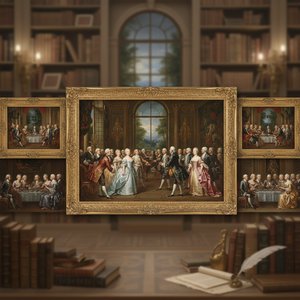
Explore the timeless elegance of formal gatherings through the lens of art history. Discover how master painters captured social grace, status, and atmosphere in iconic group portraits and ballroom scenes.

ジョアン・ミロの傑作25選🎨 シュルレアリスムを代表する巨匠、ミロの世界へ。色彩と象徴に満ちた絵画の物語を紐解き、インテリアアートのインスピレーションを得ましょう。TopImpressionistsで高品質なアートプリントをお探しください✨

ルノワールの傑作25選🎨 印象派の光と色彩が輝く世界へ。絵画の背景、技法、そして時代を超えて愛される理由を紐解きます。TopImpressionistsで高品質な複製画やインテリアアートを見つけ、お部屋に芸術的な彩りを✨ Explore the full collection online!


最新の美術ニュース、限定オファー、そしてインテリアのアイデアをいち早くお届けします。
お客様のプロジェクトについてお聞かせください。当社の美術専門家が、お客様に合わせた3つのパーソナライズされた芸術提案をご提供いたします。
あなたにぴったりの3作品を無料で厳選いたします


 プレビュー
プレビュー
 プリントを購入
 シェアする
シェアする シェアする
シェアする
 詳細を見る
詳細を見る

 ダウンロード
 似ている作品
 X線調査
X線調査 スライドショー
 詳細を見る
詳細を見る









 ガラスオプションは、110cm未満のサイズでのみご利用いただけます。


