

 設置イメージを表示
 シェアする
シェアする シェアする
シェアする
 詳細を見る
詳細を見る ガイドを表示

 ダウンロード
 似ている作品
 X線調査
X線調査 スライドショーを表示
 Q&A
Q&A 統計情報
統計情報Spring in Kaunas


 詳細を表示
詳細を表示
このページに掲載されている作品は著作権法によって保護されており、当社の許可なく同一の複製物を制作または販売することは法律で禁じられています。この保護は、以下のような国際条約に基づき執行されます。 ベルヌ条約 および、以下の条項に定められたものを含む各国の法律により、 米国著作権法 第17編。
この手法は、著作権で保護された作品の複製や複写を伴わないため、著作権法に完全に準拠しています。これは単なる模倣ではなく、創造的な再解釈です。元の作品からインスピレーションを受けつつも、それとは異なる、全く新しい絵画を生み出すものです。
ジークレー/アートプリント
スピーディーな制作と多彩な仕上げオプションが魅力の、ミュージアムクオリティなジークレー・キャンバスプリント。 ( 手描き複製画を注文する デジタル画像販売へ切り替え)




P118B ¥10

P118H ¥10

P118W ¥10

P438Z ¥10

P508JH ¥12

P508YH ¥12

P805H ¥10

P805Z ¥10

P919BZ ¥10

P919G ¥10

P919XJ ¥10

P959ZH ¥10

P968JZ ¥12

W106C ¥8

W218G ¥10

W218JH ¥8

W218Y ¥10

W307PJ ¥10

W316G ¥10

W316PJ ¥8

W316Y ¥10

W398PJ ¥8

W4111J ¥10

W500HY ¥15

W500JH ¥15

W692G ¥12

W849H ¥8

W940BG ¥15

W953PJ ¥8




標準サイズ
オーダーメイド
CM
INCH
作品のオリジナル比率に合わせた、当店の規定サイズからお選びください。
Loading sizes...

横幅
高さ
額縁や壁のスペースに合わせて、ご希望の幅と高さを入力してください。プリントはカットすることは可能ですが、元の画像より大きくすることはできないため、異なる比率のサイズを選択された場合は、画像の一部が欠けることになります。印刷を開始する前に、内容を確認していただくためのデジタルモックアップをお送りいたします。このページに表示されている画像は、実際のカット後の状態を示すものではありません。実際の仕上がりはモックアップにてご確認ください。


 ガラスオプションは、110cm未満のサイズでのみご利用いただけます。

Spring in Kaunas
ジークレー/アートプリント
複製画サイズ一覧
-


合計金額
¥ 11057
The Gentle Awakening: Capturing Spring's Spirit in Kaunas
Mstislav Dobuzhinsky’s 1923 watercolor, "Spring in Kaunas," is not merely a depiction of a season; it is an immersion into a moment of profound, quiet renewal. The painting washes over the viewer with the soft luminescence of early spring, transforming a specific landscape into a universal meditation on hope. One can almost feel the gentle warmth filtering through the air, carrying the scent of blossoming life. Dobuzhinsky masterfully captures this ephemeral quality, allowing the lush greens and delicate pastels to speak volumes about nature’s persistent cycle of rebirth.
A Symphony in Watercolor: Technique and Atmosphere
The technical brilliance of this piece lies in its handling of watercolor itself. The artist employs loose brushstrokes and translucent washes, techniques that lend the entire scene a breathy, atmospheric quality. There is no harsh edge; instead, colors bleed into one another—the blues meeting the pinks, the yellows mingling with various shades of green foliage. This blending creates depth while maintaining an ethereal softness. Compositionally, the eye is guided by the foreground fence, which acts as a subtle leading line drawing us deeper into the middle ground where trees and bushes undulate in organic forms. The background anchors this natural exuberance with the steadfast presence of Orthodox church spires, providing both scale and a counterpoint to the wildness of the flora.
Symbolism Woven into the Landscape
Beyond its immediate beauty, "Spring in Kaunas" resonates with deep symbolic weight. The blossoming flowers are the quintessential emblems of renewal, marking the passage from dormancy to vibrant life. Juxtaposed against this natural efflorescence is the prominent religious architecture. This pairing suggests a harmonious dialogue between the spiritual and the earthly—faith rooted deeply within the cycle of nature itself. It speaks to a tradition that finds its deepest meaning not in permanence, but in the continuous promise of return, the promise embodied by spring.
Echoes of Place and Time
While Dobuzhinsky is often known for his haunting explorations of urban decay, this work offers a beautiful counter-narrative. Painted in 1923, it captures a specific moment in the life of Kaunas, blending the enduring spirit of its culture with the vibrant energy of nature reclaiming space. The overall emotional impact is one of profound serenity mixed with an undeniable sense of anticipation—the hopeful sigh that accompanies the first truly warm day after a long winter. For collectors and designers alike, this piece offers not just decoration, but a palpable infusion of tranquil, optimistic energy into any space.
Q&A
ムスチスラフ・ドブジンスキー作「Spring in Kaunas」の複製画は、どのような用途におすすめですか?
ムスチスラフ・ドブジンスキー作「Spring in Kaunas」の推奨される用途はFocalですが、それ以外の使い道でもお楽しみいただけます。
ムスチスラフ・ドブジンスキー作「Spring in Kaunas」において、芸術運動と時代はどのように交差しているのでしょうか?
ムスチスラフ・ドブジンスキー作「Spring in Kaunas」は、作者の近代美術という時代における、Impressionismのムーブメントに位置づけられます。
ムスチスラフ・ドブジンスキー作「Spring in Kaunas」は、どのような方への贈り物としておすすめですか?
Focalを念頭に置いた、Seasonal Giftへの贈り物として「Spring in Kaunas」をおすすめします。
関連作品


作家プロフィール
ムスチスラフ・ドブージンスキー:都市の衰退を見つめた先見の明
ムスチスラフ・ヴァレリアノヴィチ・ドブージンスキー(1875-1957)という名は、同時代の他の画家たちに比べれば、おそらくそれほど広く知られてはいないかもしれません。しかし、ロシア美術史において、彼の存在は今なお深く心を揺さぶる象徴的な人物として刻まれています。ノヴゴロドに生まれ、リトアニアの血を引く彼は、都市の衰退、工業化が進む風景、そして近代化がもたらす心理的な負荷を、どこか忘れがたいほど鮮烈な筆致で描き出しました。彼の作品は、単なる崩れゆく建造物の記録ではありません。それは、急速に変貌を遂げる都市の影の中に潜む、孤独や不安、そして言いようのない美しさを、本能に訴えかけるような表現へと昇華させたものです。20世紀ロシアのありふれた現実を、時代を超えて観る者の魂に響き続ける力強いイメージへと変容させたことこそが、ドブージンスキーが遺した真のレガシーなのです。幼少期と芸術への研鑽
ドブージンスキーの芸術への道のりは、控えめな歩みから始まりました。ノヴゴロドの画家振興協会のデッサン学校で学び、その後、サンクトペテルブルク帝国大学で法学を修めながら、私塾での研鑽を並行して進めました。この二つの道への情熱は、彼の後の作品にも通じる、絶え間ない知的好奇心の表れであったと言えるでしょう。決定的な転機となったのは、ミュンヘンのアントン・アズベやオーストリア=ハンガリー帝国のジモン・ホロシといった著名な欧州の画家たちから直接指導を受けたことです。これにより、彼はユーゲント・シュティール(アール・ヌーヴォー)をはじめとする当時の最新の芸術運動に触れることとなりました。これらの初期の経験は彼の技術的な基盤を形作り、より広範な芸術的語彙をもたらし、後に彼独自のスタイルへと統合されていくことになります。また、「ミール・イスクーストヴァ(芸術世界)」の一員として、18世紀を優雅で洗練された黄金時代として理想化したグループとの関わりは、社会における芸術の役割に対する彼の視点を決定づける重要な要素となりました。そしてその視点は、最終的に彼を、近代都市生活の暗部へと向かわせることになったのです。表現主義的な都市風景
ドブージンスキーの芸術的飛躍は、急速な工業化と社会の激変期にあったロシアの都市風景を探求することによってもたらされました。同時代の多くの画家たちが好んだ理想化された表現を拒絶し、彼は工場や集合住宅、混雑する街路といった、剥き出しの現実へと眼差しを向けました。そのパレットは、しばしば沈鬱な茶色、灰色、そして深い赤に支配されていました。これらの色彩は、環境の物理的な朽ちゆく様と、そこに漂う感情的な激しさを同時に伝えていたのです。力強い線と劇的なコントラストは、都市生活に内在する閉塞感や疎外感を際立き立たせました。彼の作品は単なる建築的変化の記録にとどまりません。それは、絶え間ない進歩の渦中で、孤独や絶望、そして生き抜こうとする葛藤といった「人間としての在り方」を、その空間を通じて探求するものだったのです。表現主義の影響は否定しようもありませんが、ドブージンスキーは自身の経験と観察に基づき、ロシア独自の感性をそこに結実させました。代表作と芸術的技法
彼の芸術的ヴィジョンを象徴する作品は数多く存在します。例えば「プスコフ」(1923年)では、ロシアの港町が持つ憂鬱な空気が、緻密な鉛筆の描写によって捉えられ、朽ちゆくものの中に宿る繊細な美しさを露わにしています。また、「十月の田園詩」(1905年)は、彼の表現主義的なスタイルの極めて衝撃的な例であり、暴力と貧困が渦巻く過酷な都市の光景を、大胆な線と強烈な赤を用いて描き出しました。これは、工業化が進むロシアの不穏な現実を物語る証左といえます。さらに、ドストエフスキーの『白夜』(1923年)のための挿絵では、抑えられた色彩と情緒的な構図を用いることで、視覚的な物語を通じて複雑な感情を伝える卓越した能力を示しました。ドブージンスキーの才能は絵画のみに留まりませんでした。彼は優れた舞台美術家でもあり、パリやブリュッセルなどの劇場制作に多大な貢献を果たしました。その多才さは、彼の芸術的深みをより一層際立たせるものでした。遺産と歴史的重要路
ドブージンスキーの作品は、20世紀初頭のロシアを伝える貴重な記録として、極めて重要な歴史的価値を持っています。彼は、農耕社会から工業都市へと変貌を遂げる国家の決定的な瞬間を捉え、その社会的・心理的な結末に対して批判的な視点を提示しました。都市の衰退を容赦なく描き出す彼の姿勢は、美や進歩という従来の概念に挑戦し、観る者に近代化が孕む不都合な真実と向き合うことを強いたのです。生前、彼の作品が広く知れ渡ることはなかったかもしれませんが、今日ではロシア表現主義への先駆的な貢献として、また近代の不安と不確実性を映し出す力強い鏡として高く評価されています。都市における疎外や社会批判というテーマを追求し続けた後世の芸術家たちの中に、彼の影を見ることができます。ドブージンスキーが描いた忘れがたい都市風景は、今もなお人間と環境との関係について深い思索を促し、美と闇の両方を照らし出す芸術の不朽の力を私たちに思い出させてくれるのです。
ムスチスラフ・ドブジンスキー
1875 - 1957 , ロシア
プロフィール概要
- Artistic Movement Or Style: 表現主義、都市風景
- Artists Or Movements Influenced By This Artist: ['Mir iskusstva (芸術世界)']
- Artists Who Influenced This Artist:
- アントン・アズベ
- シモン・ホロシ
- Date Of Birth: 1875年8月14日
- Date Of Death: 1957年11月20日
- Full Name: ムスチスラフ・ヴァレリアノヴィチ・ドブジンスキー
- Nationality: ロシア・リトアニア系
- Notable Artworks:
- 黄昏
- プスコフ
- 十月の牧歌
- Place Of Birth: ロシア、ノヴゴロド
関連記事
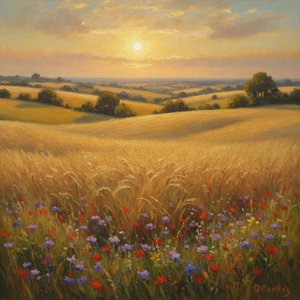
Golden Fields & Sun-Drenched Meadows: Capturing the Soul of Impressionist Landscapes
Immerse yourself in the luminous world of Impressionist landscapes. Discover how masters like Monet and Gauguin captured ephemeral light through plein air painting, and learn to bring the soul of sun-drenched meadows into your home with exquisite, hand-painted oil reproductions.

The Beauty of Impermanence: Capturing Decay through Impressionist Eyes
Explore the profound beauty of impermanence through Impressionist and Post-Impressionist eyes. Discover how masters like Monet and Van Gogh captured fleeting light and the poetic essence of nature's transitions in our deep dive into art history and emotional landscapes.

Capturing Light: The Ethereal Beauty and Timeless Legacy of Watercolor Landscapes
Embark on a visual journey through the ethereal beauty of watercolor landscapes. Discover how Impressionist masters captured light and emotion, and learn to bring this timeless, luminous elegance into your home with expert art curation and hand-painted reproductions.

Capturing the Soul: The Most Emotionally Moving Impressionist and Post-Impressionist Masterpieces
Discover the profound emotional depth of Impressionist and Post-Impressionist masterpieces. Explore how legends like Monet, Van Gogh, and Gauguin captured light and soul through evocative landscapes and vibrant brushwork for a timeless connection to art history.

Beyond the Light: Capturing Raw Emotion and Subjective Vision in Post-Impressionist Landscapes
Explore the profound emotional depth of Post-Impressionist landscapes. Discover how masters like Van Gogh moved beyond light to capture raw human feeling through vibrant color and expressive texture in this expert art history retrospective.