

展示内容: · 額縁を含むサイズ:
 設置イメージを表示
 シェアする
シェアする シェアする
シェアする
 詳細を見る
詳細を見る ガイドを表示

 ダウンロード
 似ている作品
 X線調査
X線調査 スライドショーを表示
 Q&A
Q&A 統計情報
統計情報


¥ 42511
手描き油彩複製画
当社のアーティストが、ご希望のサイズと額縁に合わせてキャンバスに手描きで制作する、オーダーメイドの油彩画です。 ( プリント版に切り替え デジタル画像販売へ切り替え)
サイズ
·標準サイズ
オーダーメイド
CM
INCH
作品のオリジナル比率に合わせた、当店の規定サイズからお選びください。
サイズを読み込み中...

横幅
高さ
フレームや壁のスペースに合わせて、ご希望の幅と高さを入力してください。本作品は手描きのため、異なる比率のサイズをご希望の場合、絵画の周囲を少し広げて描くか、あるいは端を少しカットして調整することが可能です。お客様のご要望に合わせます。制作を開始する前に、仕上がりを確認するためのデジタルモックアップをお送りいたします。このページに表示されている画像は完成品の実物ではなく、あくまでモックアップによるイメージです。
 詳しく読む
詳しく読む仕上げ
·
白の側面仕上げ ¥1

エッジぼかし仕上げ ¥1

回り込み仕上げ ¥1

P118B ¥10

P118H ¥10

P118W ¥10

P438Z ¥10

P508JH ¥12

P508YH ¥12

P805H ¥10

P805Z ¥10

P919BZ ¥10

P919G ¥10

P919XJ ¥10

P959ZH ¥10

P968JZ ¥12

W106C ¥8

W218G ¥10

W218JH ¥8

W218Y ¥10

W307PJ ¥10

W316G ¥10

W316PJ ¥8

W316Y ¥10

W398PJ ¥8

W4111J ¥10

W500HY ¥15

W500JH ¥15

W692G ¥12

W849H ¥8

W940BG ¥15

W953PJ ¥8

H24-GOLD ¥30

H24-SILVER ¥30

H36-GOLD ¥45

H36-SILVER ¥45
保護用の筒に入れてお届けしますので、お客様ご自身でフレーム(額縁)をご用意いただく形となります。
オプションサービス
任意特典の内容について
変更可能な例:顔をお客様の写真に差し替え、ペットの変更(例:猫を犬に変更)、背景に隠しメッセージを追加、背景の風景や要素の変更。
ご注文後、TopImpressionists.com のチームより詳細な手順についてメールをお送りし、仕上がりイメージ(モックアップ)をご提示いたします。
ご注文後、TopImpressionists.com のチームより詳細な手順についてメールをお送りし、仕上がりイメージ(モックアップ)をご提示いたします。
世界中への配送()は、通常の5週間ではなく、3〜4週間でお届けいたします。(7 11月)。品質には一切妥協いたしません。
保護用ワニス
キャプション
刻印入りブロンズプレートの詳細
This elegant plaque features the artist's name and the title of the artwork, finely engraved for a timeless presentation.
It is made from bronze with a refined, elegant finish. The text is precisely laser-engraved for a sharp and permanent result. Measuring 9x2 cm, the plaque is compact yet easy to read. It's built to be durable and scratch-resistant, offering a professional, museum-quality look. Mounting is simple thanks to the included adhesive backing.
透明アクリル銘板の詳細
The plaque includes essential engraved details such as the artist's name, the title of the artwork, the date it was created, the type of media used-like oil on canvas or watercolor-a brief description of the piece, and a QR code that links to the complete artwork information.
It is crafted from clear acrylic, offering a sleek, modern appearance. The text is UV-engraved in black to ensure strong visual contrast. With a size of 10x15 cm, it ensures optimal readability. It comes equipped with two metal hooks for secure wall mounting. The plaque is designed to be weather-resistant, making it suitable for various environments, and it includes interactive features that work seamlessly with smartphone scanning.
黒アクリル製銘板の詳細
This elegant plaque includes engraved information such as the artist's name, the title of the artwork, the date it was created, the type of media used (like oil on canvas or watercolor), a short description of the artwork, and a QR code for quick access to more information.
The plaque itself is made from refined black acrylic with a premium finish. The text is laser-engraved in white for high contrast and readability. Its size is 10x15 cm, designed to be easy to read. It comes with two metal hooks for professional mounting. The design is sleek and fits any interior style. It is also weather-resistant and durable, with built-in digital integration for mobile compatibility.
ガラスオプションは、110cm未満のサイズでのみご利用いただけます。
 ガラスオプションは、110cm未満のサイズでのみご利用いただけます。
- 世界中へ無料エクスプレス配送
- 高品質なリネンキャンバス
- 配送時完全保険付
- 関税・輸入税の払い戻し保証
- 真の色彩再現に関する保証
- 100日間返品保証(製造上の欠陥がある場合のみ)
- 100% 全額返金保証
- まとめ買い割引のご案内


作品解説
A somber and contemplative scene of a solitary woman facing dark woods defines this Romantic oil painting by Narcisso Díaz de la Peña, inviting you to explore the profound melancholy of this 19th-century masterpiece.
アーティストの略歴
Discover Narcisso Díaz de la Peña’s serene landscapes & evocative floral paintings from the 19th century. Explore his Romantic style & capture nature's beauty.
作品について
A Study in Solitude: The Melancholy Grace of L'éplorée
In the quietude of Narcisso Díaz de la Peña’s L'éplorée, we encounter a moment frozen in time, where the boundaries between the human soul and the natural world begin to blur. This evocative oil painting invites the viewer into a deeply personal space of mourning and reflection. Seen from behind, a solitary female figure gazes out toward a dense, shadowy woodland, her posture embodying a profound sense of loss. The title itself, which translates to "The Bereaved" or "The Sorrowful One," serves as a poignant key to unlocking the painting's emotional depth. There is an undeniable intimacy in this composition; by denying us her face, Díaz de la Peña forces us to find her identity in the curve of her shoulder and the heavy stillness of her stance, making her grief a universal experience that resonates with anyone who has known the weight of solitude.
The technical mastery of the piece lies in its masterful use of light and texture to create an atmosphere of soft, diffused mystery. The artist employs a painterly technique where the brushwork is most evident in the luminous highlights dancing across the subject's pale skin and the delicate folds of her white and blue-grey drapery. This brightness stands in stark, dramatic contrast to the background—a lush, dark tapestry of forest greens, deep umbers, and midnight blacks. Through a sophisticated use of atmospheric perspective, the woods appear as a soft, blurred expanse, creating a sense of infinite depth that seems to swallow the light. This interplay between the tangible, textured foreground and the nebulous, receding background heightens the feeling of isolation, as if the world around her is slowly dissolving into the shadows of her own contemplation.
Romanticism and the Sublime in Spanish Art
To understand L'éplorée, one must look to the heart of the Romantic movement that defined Narcisso Díaz de la Peña’s era. Moving away from the rigid rationalism of the Enlightenment, this period of art sought to capture the sublime—that overwhelming feeling of awe and even terror when faced with the vastness of nature. Díaz de la Peña, influenced by the dramatic canvases of Eugène Delacroix, utilizes the landscape not merely as a setting, but as an emotional mirror. The dark, encroaching woods represent the unknown and the uncontrollable forces of life and death, while the figure represents the fragile human spirit attempting to find peace amidst the shadows. His ability to imbue botanical and landscape elements with such symbolic resonance marks him as a singular voice in 19th-century Spanish art.
For the discerning collector or interior designer, this painting offers more than just aesthetic beauty; it provides a focal point of profound character. The muted, earthy palette makes it an exquisite addition to sophisticated, moody interiors, where it can serve as a centerpiece for a room designed for quietude and intellectual reflection. Whether placed in a dimly lit study or a contemporary gallery-style living space, the painting’s somber elegance and masterful chiaroscuro command attention. Owning a high-quality reproduction of this work allows one to bring a piece of Romantic history into the modern home, offering a timeless window into the beauty of melancholy and the enduring power of the natural world.
Q&A
Narcisso Díaz De La Peña作「L'éplorée」の全体的な雰囲気はどのようなものですか?
「L'éplorée」は、Dramaticな雰囲気を纏っています。
Narcisso Díaz De La Peña作「L'éplorée」をインテリアとしてどのように活用できますか?
Narcisso Díaz De La Peña作「L'éplorée」 のおすすめの用途は (Mood)、飾る場所は (Bedroom) です。
「L'éplorée」は、全体的に明るい印象ですか、それとも暗い印象ですか?
Narcisso Díaz De La Peña作「L'éplorée」の明るさはdeep_shadow、輝度はDarkと記録されています。
作品の豆知識とアートクイズ
Narcisso Díaz De La Peñaについて

Narcisso Díaz De La Peña
1807 - 1876
作家プロフィール
Narcisso Díaz de la Peña: A Romantic Vision of Nature
Narcisso Díaz de la Peña (1807 – 1876) stands as a singular figure in Spanish Romantic landscape painting, renowned for his meticulous depictions of Iberian flora and fauna imbued with profound symbolic resonance. Born into a noble family in Zaragoza, Aragón, Díaz de la Peña’s artistic journey began modestly but swiftly ascended to prominence thanks to his unwavering dedication to capturing the sublime beauty of the natural world—a pursuit deeply rooted in the philosophical currents of his time. His life's work serves as a bridge between the scientific precision of the Enlightenment and the emotive, spiritual depth characteristic of the Romantic era.
His formative years were marked by exposure to Enlightenment ideals and scientific observation, yet he embraced Romanticism's emotive response to experience rather than rational analysis. Influenced heavily by Eugène Delacroix’s dramatic canvases and Friedrich Reinhold Rauwolf’s sublime landscapes, Díaz de la Peña sought to convey not merely visual impressions but also spiritual contemplation. This ambition is palpable in his celebrated works where he skillfully blends classical compositional principles with Romantic color palettes to evoke a mood of serene repose amidst exotic surroundings—a deliberate allusion to the fascination with Orientalism prevalent during the era.
Technique and the Art of Observation
Díaz de la Peña’s technique was characterized by painstaking detail and scientific accuracy. He meticulously studied botanical specimens, employing watercolor pigments mixed with gum arabic to achieve astonishing realism—a testament to his commitment to representing nature faithfully. Unlike many of his contemporaries who favored looser brushstrokes, Díaz de la Peña painstakingly layered washes of color, capturing subtle variations in texture and luminosity. This meticulous approach is particularly evident in his landscapes, where he renders dense foliage with remarkable precision, highlighting the interplay of light and shadow to convey a sense of atmospheric depth.
His mastery extended beyond mere botanical study into the realm of narrative and character. In works such as Girl with Dogs or Bohemiennes mendicantes, the artist demonstrates an ability to weave human presence into the natural landscape, creating scenes that feel both intimate and timeless. Whether working on oil on panel or utilizing more delicate mediums, his ability to manipulate light allowed him to transform a simple landscape into a tranquil, almost meditative experience for the viewer.
Legacy and Historical Significance
The historical significance of Narcisso Díaz de la Peña lies in his ability to elevate the landscape genre within the Spanish tradition. By merging the rigorous observation of nature with the emotional intensity of Romanticism, he provided a unique perspective that resonated far beyond the borders of Spain. His works, now preserved in prestigious institutions such as the Victoria and Albert Museum, continue to inspire awe through their soft colors and tranquil scenes.
To understand his contribution is to appreciate the following elements of his artistic identity:
- The Romantic Spirit: A profound focus on the emotional connection between the observer and the natural world.
- Scientific Precision: An unparalleled dedication to botanical and anatomical accuracy in his subjects.
- Atmospheric Mastery: The use of light and layered pigments to create depth, texture, and a sense of living air.
- Cultural Synthesis: The blending of Spanish landscape traditions with the broader European movements of Orientalism and Romanticism.
Narcisso Díaz De La Peñaについてのクイック・ファクト
- Artistic Movement Or Style: Romanticism
- Artists Who Influenced This Artist:
- Eugène Delacroix
- Caspar David Friedrich
- Date Of Birth: 1807
- Date Of Death: 1876
- Full Name: Narcisso Díaz de la Peña
- Nationality: Spanish
- Notable Artworks:
- Femmes mauresques au repos
- Sous bois
- Forêt de Fontainebleau
- Place Of Birth: Madrid, Spain
関連作品


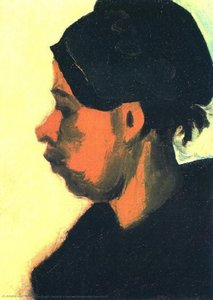


Narcisso Díaz De La Peña
L'éplorée
() ·
額縁を含むサイズ: · リネンに油彩で手描き
合計