


 設置イメージを確認
 送る
送る シェア
シェア
 詳細情報
詳細情報 ガイドを表示

 画像をダウンロード
 似ている作品
 X線調査
X線調査 スライドショー
 統計情報
統計情報The Mugnone


Explore 'The Mugnone' by Odoardo Borrani – a serene Italian landscape painting in the Impressionist style. Discover its warm tones, loose brushwork & nostalgic charm.
Odoardo Borrani (1833-1905) was a key Italian Macchiaioli painter known for realistic landscapes, genre scenes & historical subjects. Discover his work from the School of Piagentina and contributions to 19th-century Italian art.
 続きを読む
続きを読む
ジークレー/アートプリント
スピーディーな制作と多彩な仕上げオプションが魅力の、ミュージアムクオリティなジークレー・キャンバスプリント。 ( 手描きの複製画を注文する デジタル画像販売へ切り替え)




































標準サイズ
カスタムサイズ
CM
INCH
作品のオリジナル比率に合わせた、当店の規定サイズからお選びください。
Loading sizes...

横幅
高さ
額縁や壁のスペースに合わせて、ご希望の幅と高さを入力してください。プリントはカットすることは可能ですが、元の画像より大きくすることはできないため、異なる比率のサイズを選択された場合は、画像の一部が欠けることになります。印刷を開始する前に、内容を確認していただくためのデジタルモックアップをお送りいたします。このページに表示されている画像は、実際のカット後の状態を示すものではありません。実際の仕上がりはモックアップにてご確認ください。


 ガラスオプションは、110cm未満のサイズでのみご利用いただけます。

The Mugnone
ジークレー/アートプリント
複製画サイズ一覧
-


合計金額
¥ 10859
関連作品
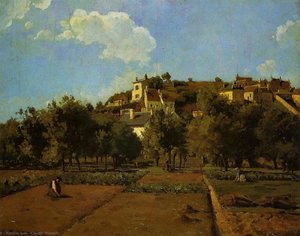


アーティストについて
Edward Burne-Jones: A Visionary of Myth and Beauty
Edward Burne-Jones (1833–1898) stands as a pivotal figure in the late 19th-century art world, a master painter whose evocative works seamlessly blended Pre-Raphaelite aesthetics with classical influences. Born in Birmingham, England, his artistic journey was shaped by a confluence of factors – a privileged upbringing, early exposure to literature and mythology, and the profound mentorship of William Morris and John Ruskin. Burne-Jones’s career wasn't defined by rapid innovation but rather by a consistent pursuit of idealized beauty, drawing inspiration from medieval legends, Arthurian romances, and the grandeur of ancient Greece and Rome. He rejected the fleeting trends of his time, favoring instead a deliberate and often monumental approach to composition and color, creating images that felt both timeless and intensely personal. His work wasn’t merely decorative; it was an immersive experience, inviting viewers into worlds of mythic drama and profound emotion.Early Influences and Artistic Training
Burne-Jones's artistic development began within the confines of his comfortable home, surrounded by a wealth of books and art objects. His father, a solicitor, encouraged his son’s intellectual pursuits, fostering a deep appreciation for literature and mythology – particularly the tales of King Arthur. Crucially, his friendship with William Morris at Oxford University proved transformative. Morris introduced Burne-Jones to Ruskin's theories on beauty and truth in art, emphasizing the importance of returning to the simplicity and sincerity of medieval craftsmanship. This intellectual foundation profoundly shaped Burne-Jones’s artistic vision, leading him away from the fleeting fashions of the day and towards a more enduring aesthetic rooted in historical precedent. He initially intended to pursue a career in the church but quickly realized his true calling lay within the realm of painting. Formal training included studies at the Royal Academy, though he largely remained self-taught, honing his skills through diligent observation and an unwavering commitment to his own artistic principles.The Pre-Raphaelite Style and Mythological Subjects
Burne-Jones is inextricably linked with the Pre-Raphaelite Brotherhood, although he never formally joined their ranks. His work shared many characteristics with the movement – a fascination with medieval art and literature, a rejection of academic conventions, and an emphasis on vibrant color and meticulous detail. However, Burne-Jones’s style diverged from the more overtly romantic and often morbid themes favored by some Pre-Raphaelites. He consistently depicted idealized figures within carefully constructed narratives drawn from classical mythology, Arthurian legend, and biblical stories. His palette was rich and luminous, employing a technique that prioritized surface texture and atmospheric effects over sharp outlines or precise realism. Key works like *The Lady of Shalott*, *St George and the Dragon*, and *King Arthur Attacking Malagoda* exemplify this style—grand in scale, emotionally resonant, and imbued with a sense of timeless beauty. The figures he painted were often elongated and graceful, reflecting his classical influences, while their expressions conveyed a profound depth of feeling.Technique and Compositional Strategies
Burne-Jones’s artistic technique was characterized by a deliberate and considered approach. He favored large-scale canvases, creating monumental compositions that demanded the viewer's full attention. His brushwork was often loose and expressive, particularly in depicting drapery and atmospheric effects. He meticulously studied classical sculpture and architecture, incorporating elements of proportion and balance into his paintings. A key element of his style was his use of color—he employed a rich, saturated palette, layering hues to create depth and luminosity. Burne-Jones’s compositions frequently featured multiple figures arranged within carefully defined spaces, creating a sense of dramatic narrative. He avoided the cramped interiors often found in contemporary art, opting instead for expansive landscapes or architectural settings that enhanced the scale and grandeur of his subjects. His work is notable for its surface texture—a deliberate layering of paint that created a tactile quality reminiscent of medieval illuminated manuscripts.Legacy and Historical Significance
Despite initial acclaim, Burne-Jones’s reputation suffered after his death in 1898, partly due to the shifting artistic tastes of the early 20th century. However, during the 1960s, a renewed appreciation for his work emerged, solidifying his place as one of the most important figures in Pre-Raphaelite art. His influence can be seen in the works of numerous artists who followed, including Aubrey Beardsley and the Symbolist movement. Burne-Jones’s enduring appeal lies in his ability to evoke a sense of timeless beauty and emotional depth—his paintings continue to captivate viewers with their evocative imagery and masterful technique. He remains a significant figure not only for his artistic achievements but also for his embodiment of the Pre-Raphaelite ideal: a commitment to truth, beauty, and the power of art to transport us beyond the confines of everyday experience. His work is now housed in major museums worldwide, including the National Gallery in London and the Louvre in Paris, ensuring that his visionary art continues to inspire and enchant generations of art lovers.
Odoardo Borrani
1833 - 1905 , Italy
アーティスト情報
- Full Name: Pierre-Narcisse Guérin
- Nationality: French
- Date Of Birth: 1833
- Date Of Death: 1905
- Place Of Birth: Pisa, Italy
- Notable Artworks:
- Return of Marcus Sextus
- Phaedra and Hippolytus
- Andromache and Pyrrhus
- Aurora and Cephalus
- Artistic Movement Or Style: Painting
- Artists Who Influenced This Artist: ['Jean-Baptiste Regnault],\n "Artists or movements influenced by this artist": ["First Empire"]\n}']
関連記事

The Beauty of Impermanence: Capturing Decay through Impressionist Eyes
Explore the profound beauty of impermanence through Impressionist and Post-Impressionist eyes. Discover how masters like Monet and Van Gogh captured fleeting light and the poetic essence of nature's transitions in our deep dive into art history and emotional landscapes.

Beyond the Light: Capturing Raw Emotion and Subjective Vision in Post-Impressionist Landscapes
Explore the profound emotional depth of Post-Impressionist landscapes. Discover how masters like Van Gogh moved beyond light to capture raw human feeling through vibrant color and expressive texture in this expert art history retrospective.

Capturing the Soul: The Most Emotionally Moving Impressionist and Post-Impressionist Masterpieces
Discover the profound emotional depth of Impressionist and Post-Impressionist masterpieces. Explore how legends like Monet, Van Gogh, and Gauguin captured light and soul through evocative landscapes and vibrant brushwork for a timeless connection to art history.
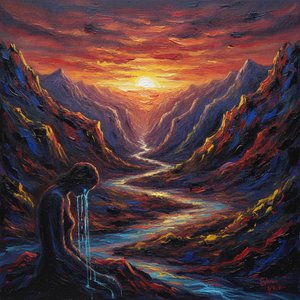
Capturing Emotion: A Journey Through the Soul of Expressionist Landscapes
Explore the profound emotional depth of Expressionist landscapes. Discover how Post-Impressionist masters moved beyond light to capture the soul through vibrant color and form. A curated journey for true art lovers seeking the beauty of expressive mastery.
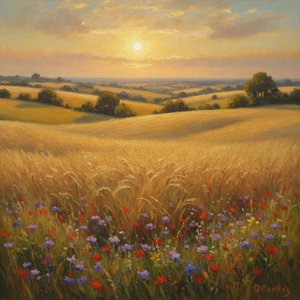
Golden Fields & Sun-Drenched Meadows: Capturing the Soul of Impressionist Landscapes
Immerse yourself in the luminous world of Impressionist landscapes. Discover how masters like Monet and Gauguin captured ephemeral light through plein air painting, and learn to bring the soul of sun-drenched meadows into your home with exquisite, hand-painted oil reproductions.