
迅速な制作と多彩な仕上げオプションを備えた、ミュージアムクオリティのジークレーまたはキャンバスプリント。 ( 手描きの絵画を購入 画像を購入)





























作品のオリジナル比率に合わせた、当店の規定サイズからお選びください。

特定のフレームやスペースに合わせて、ご自身でサイズを指定することも可能です。選択されたサイズが元の画像の比率と一致しない場合、作品をトリミングするか、鏡面反射または単色での塗りつぶしによって画像を拡張いたします。制作を開始する前に、ご確認用のデジタルモックアップをお送りいたします。
画面上のプレビューには、実際のトリミングや拡張は反映されませんのでご注意ください。最終的な構図を正確に確認できるのは、モックアップのみとなります。
カスタムサイズも承っておりますが、元の比率を維持するためには、あらかじめ用意されたリストからサイズを選択することをお勧めいたします。

Bufón y acróbata joven
複製画のサイズ
The painting Bufón y acróbata joven (Harlequin and Young Acrobat) is a remarkable work by Pablo Picasso, created in 1905. This masterpiece marks an important transition between two significant periods in Picasso's artistic career: his Blue Period and Rose Period. It showcases a shift towards warmer tones and a more optimistic subject matter while retaining the poignant emotional depth characteristic of his earlier works.
Picasso, born in Málaga, Spain, in 1881, is widely regarded as one of the most influential artists of the 20th century. His prolific output includes over 20,000 paintings, prints, drawings, sculptures, ceramics, theater sets, and costumes that convey myriad intellectual, political, social, and amorous messages. Bufón y acróbata joven was created during a pivotal moment in his artistic development, as he moved away from the somber blues and grays of his earlier Blue Period towards the more vibrant hues of his Rose Period. This transition reflects a change in Picasso's personal life and a broadening of his thematic concerns.
The composition of Bufón y acróbata joven is divided into three distinct sections: the background, the central figure (the young harlequin), and the foreground (the acrobat). The use of color in this work is particularly noteworthy. While the blue tones dominate the background and the harlequin's costume, warmer hues such as red and orange are used to highlight the acrobat's face and hands. This contrast creates a visual dynamism and draws attention to the figures’ expressions. Picasso employs a flattened perspective and simplified forms, characteristic of his evolving style. The lines are fluid and expressive, conveying a sense of movement and melancholy. The painting is executed in oil on canvas, allowing for rich layering of color and texture.
The figures themselves – the harlequin and the young acrobat – carry symbolic weight. Harlequins, often associated with theatrical performance and disguise, can represent vulnerability and hidden emotions. The young acrobat, poised and seemingly fragile, embodies youth, skill, and perhaps a sense of precariousness. Their intimate pose suggests a relationship built on shared experience and mutual support within the challenging world of the circus. The overall emotional impact is one of quiet contemplation and understated sadness, tinged with a glimmer of hope. Despite the shift towards warmer colors, a lingering melancholy from the Blue Period remains, creating a complex and deeply moving work.
Bufón y acróbata joven is an important example of Picasso's early work and demonstrates his evolving style during a critical period in his artistic development. This painting, along with other works from this time, laid the groundwork for Picasso's later innovations, including Cubism. It exemplifies his ability to synthesize diverse influences and create a uniquely personal visual language that would profoundly impact the course of 20th-century art.

1881 - 1973 , スペイン

パブロ・ピカソの至高の25選。キュビズム、ゲルニカなど、時代を揺るがした名画の物語と芸術的魅力に迫ります。リビングやオフィスを彩るインテリアアートにも最適。TopImpressionists.comで高品質なピカソ作品をコレクション。

Immerse yourself in the captivating world of slate blue! Explore 10 iconic paintings by Monet, Van Gogh & Renoir. Discover their stories, techniques & find museum-quality art reproductions for your home at .
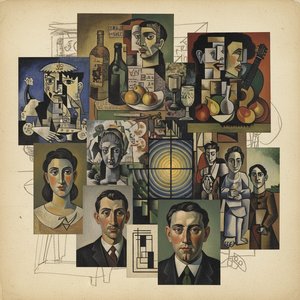
Explore 10 Cubist masterpieces by Picasso, Braque & more! Delve into the history of this revolutionary art movement. Find museum-quality reproductions and elevate your home decor with TopImpressionists. Discover all masterpieces on TopImpressionists.com

キュビスムを代表する10大名作の世界へ。ピカソ、ブラックら巨匠の革新的な技と色彩が織りなす、時代を超越した芸術体験を。TopImpressionists.comで、至高のアートプリントとインテリアアイデアを発見しましょう。

Explore the revolutionary art of Pablo Picasso with TopImpressionists.com. Discover Cubism's origins, symbolism in his masterpieces & investment insights for collectors. Expert appraisal & custom reproductions available.


最新の美術ニュース、限定オファー、そしてインテリアのアイデアをいち早くお届けします。
お客様のプロジェクトについてお聞かせください。当社の美術専門家が、お客様に合わせた3つのパーソナライズされた芸術提案をご提供いたします。
あなたにぴったりの3作品を無料で厳選いたします


 プレビュー
プレビュー
 シェアする
シェアする シェアする
シェアする
 詳細を見る
詳細を見る

 ダウンロード
 似ている作品
 X線調査
X線調査 スライドショー

 詳細を見る
詳細を見る









 ガラスオプションは、110cm未満のサイズでのみご利用いただけます。


