

迅速な制作と多彩な仕上げオプションを備えた、ミュージアムクオリティのジークレーまたはキャンバスプリント。 ( 手描き画への切り替え 画像に切り替え)





























作品のオリジナル比率に合わせた、当店の規定サイズからお選びください。

特定のフレームやスペースに合わせて、ご自身でサイズを指定することも可能です。選択されたサイズが元の画像の比率と一致しない場合、作品をトリミングするか、鏡面反射または単色での塗りつぶしによって画像を拡張いたします。制作を開始する前に、ご確認用のデジタルモックアップをお送りいたします。
画面上のプレビューには、実際のトリミングや拡張は反映されませんのでご注意ください。最終的な構図を正確に確認できるのは、モックアップのみとなります。
カスタムサイズも承っておりますが、元の比率を維持するためには、あらかじめ用意されたリストからサイズを選択することをお勧めいたします。

Corrida de toros
複製画のサイズ
Pablo Picasso’s “Corrida de toros” isn't merely a depiction of a bullfight; it’s a visceral plunge into the heart of a primal drama. Created in 1937, during a period of immense personal and political turmoil for the artist – marked by the looming threat of fascism and his own emotional struggles – this monochrome drawing pulsates with an unsettling energy. The scene unfolds with brutal immediacy: a bullfighter, poised and determined, confronts a raging bull, while figures surrounding them tumble, fall, or seem suspended in mid-air, caught in a chaotic vortex of movement and potential violence. It’s a fragmented tableau, deliberately disrupting traditional perspective and spatial relationships – a hallmark of Picasso's revolutionary Cubist style.
The choice of grayscale amplifies the artwork’s dramatic impact. The absence of color forces the viewer to focus on form, line, and texture, intensifying the sense of unease and highlighting the stark contrasts between life and death, control and chaos. Picasso masterfully employs jagged lines and intersecting planes, mirroring the fractured nature of the event itself. These aren't gentle curves or smooth transitions; instead, we’re presented with a deliberately unsettling composition that reflects the inherent violence and unpredictability of the bullfight.
“Corrida de toros” is a quintessential example of Picasso’s early Cubist explorations. He dismantles traditional representation, presenting multiple viewpoints simultaneously – we see fragments of the bullfighter, the bull, and the surrounding figures from various angles at once. This deliberate distortion challenges our perception of space and creates a sense of disorientation, mirroring the chaotic energy of the spectacle itself. The simplification of forms, reducing human and animal figures to their essential geometric shapes, is characteristic of Cubism’s desire to capture not just appearance but also underlying structure and essence.
Picasso's technique—likely executed with charcoal or pencil on paper—is remarkably spontaneous and immediate. Hatching and cross-hatching are used liberally to build up tonal values and suggest texture, creating a sense of volume despite the monochromatic palette. The rough quality of the surface adds to the artwork’s raw emotional power, conveying a feeling of urgency and immediacy as if we're witnessing this dramatic scene unfold before our eyes.
Beyond its formal qualities, “Corrida de toros” is rich in symbolic meaning. The falling figures, suspended in mid-air, can be interpreted as representing the precariousness of human existence – a vulnerability exposed to the forces of nature and violence. The confrontation between the bullfighter and the bull embodies a timeless struggle for dominance, mirroring broader themes of power, control, and survival. Picasso himself saw the bull as a symbol of Spanish identity, embodying both strength and brutality. The image resonates with the anxieties of his time, reflecting the escalating tensions in Europe during the lead-up to World War II.
TopImpressionists offers meticulously crafted hand-painted reproductions of “Corrida de toros,” allowing you to bring this iconic artwork into your home or office. Our skilled artists faithfully recreate Picasso’s unique style and technique, capturing the drama, intensity, and symbolic depth of the original drawing. Whether you're an art enthusiast, a collector seeking a significant addition to your collection, or simply someone drawn to the power of visual storytelling, a TopImpressionists reproduction of “Corrida de toros” is a timeless investment that will spark conversation and evoke emotion for years to come.

1881 - 1973 , スペイン
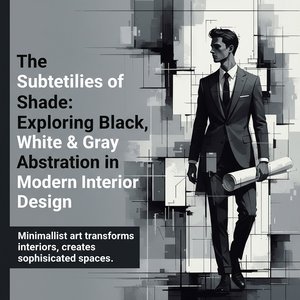
ホテルデザインに最適な黒、白、グレーの抽象画選びをサポート。色彩心理学に基づいた空間演出から、TopImpressionists.comのカスタムアートまで、専門家が洗練されたインテリアを実現します。

Explore the captivating world of grayscale art! Discover iconic paintings, master techniques like chiaroscuro, & the psychology of tone. Find museum-quality reproductions to elevate your home décor at TopImpressionists.

Explore the captivating world of monochrome art! Discover its rich history, influential artists like Malevich & Klein, and profound emotional impact. Expert insights for collectors & design enthusiasts.

Explore the rich history & artistic power of black and white photography. From early techniques to iconic masters like Ansel Adams, discover why monochrome continues to captivate art lovers today. Expert insights for collectors.

Explore the revolutionary art of Pablo Picasso with TopImpressionists.com. Discover Cubism's origins, symbolism in his masterpieces & investment insights for collectors. Expert appraisal & custom reproductions available.


最新の美術ニュース、限定オファー、そしてインテリアのアイデアをいち早くお届けします。
お客様のプロジェクトについてお聞かせください。当社の美術専門家が、お客様に合わせた3つのパーソナライズされた芸術提案をご提供いたします。
あなたにぴったりの3作品を無料で厳選いたします

 プレビュー
プレビュー
 シェアする
シェアする シェアする
シェアする
 詳細を見る
詳細を見る

 ダウンロード
 似ている作品
 X線調査
X線調査 スライドショー
 詳細を見る
詳細を見る









 ガラスオプションは、110cm未満のサイズでのみご利用いただけます。


