
 Acrylic On CanvasWallArtSynthetic Cubism
 1926
1926 155.0 x 123.0 cm
当社のアーティストが、お客様のご希望のサイズと額縁に合わせて、キャンバスに手描きで制作する油彩画です。 ( プリント版に切り替え 画像に切り替え)





























作品のオリジナル比率に合わせた、当店の規定サイズからお選びください。

特定のフレームやスペースに合わせて、ご希望のサイズをご入力いただけます。選択されたサイズが元の画像の比率と異なる場合、アートワークをトリミングするか、手描きで要素を追加して絵画を拡張いたします。デジタルモックアップ を制作し、制作開始前にご確認(承認)をいただきます。
画面上のプレビューは、実際のトリミングや拡張を正確に反映しているものではありません。最終的な構図は、モックアップによってのみ正確にご確認いただけます。
カスタムサイズもご利用いただけますが、元の比率を維持するためには、あらかじめ用意されたリストからサイズを選択することをお勧めいたします。

Guitar
複製画のサイズ
Pablo Picasso’s “Guitar,” painted in 1926, isn’t merely a depiction of an instrument; it’s a distilled essence of Synthetic Cubism, a radical departure from the Analytical phase that preceded it. This work, rendered in muted blues and earthy tones, captures a moment of profound deconstruction and reconstruction – a visual puzzle where familiar forms are shattered and reassembled with startling precision. The painting immediately draws the eye to its central subject: a guitar, presented not as a unified object but as a collection of fragmented planes and geometric shapes. Picasso masterfully employs overlapping perspectives, creating an illusion of depth within a remarkably shallow space. It’s as if the guitar itself is dissolving into its constituent parts, mirroring the broader artistic concerns of the era – a questioning of reality and a celebration of subjective perception.
To understand “Guitar,” one must consider Picasso’s trajectory during this period. Following his groundbreaking work in Analytical Cubism (1907-1912), where objects were broken down into their basic geometric components, he moved towards Synthetic Cubism. This phase embraced a more optimistic and decorative approach, often incorporating elements of collage – as seen in works like “Still Life with Guitar” (1920). The presence of scattered books around the guitar suggests an intellectual environment, hinting at Picasso’s lifelong fascination with literature and his desire to integrate diverse artistic influences into his work. The painting's creation coincided with a period of relative stability for Picasso after the turmoil of World War I, reflecting a renewed interest in formal experimentation and a celebration of visual pleasure.
Historical Context:Painted in 1926, this piece exemplifies the shift towards Synthetic Cubism, a style that prioritized color and simplified forms over the analytical deconstruction of earlier works. It’s a pivotal moment in Picasso's artistic evolution, showcasing his mastery of new techniques and his willingness to challenge traditional notions of representation.
The guitar itself holds symbolic weight within the painting. It represents not just an instrument but also a vessel for emotion, memory, and perhaps even the artist’s own fragmented self. Its various positions – held aloft, resting on a table, surrounded by books – suggest a multiplicity of roles and experiences. The books contribute to this layered meaning, hinting at the intellectual pursuits and artistic inspirations that shaped Picasso's vision. The arrangement can be interpreted as an exploration of how objects relate to each other, creating a complex web of associations and meanings.
TopImpressionists is proud to offer meticulously hand-painted reproductions of Pablo Picasso’s “Guitar.” Our artists recreate the painting's vibrant colors, dynamic composition, and intricate details with unparalleled skill. Whether you are a seasoned art collector or seeking to add a touch of modern genius to your interior space, our reproduction provides an authentic and captivating representation of this iconic work. Available in various sizes, our “Guitar” reproduction captures the essence of Picasso’s Synthetic Cubist vision – a testament to his revolutionary approach to form, color, and perspective. Explore more about this artwork here.

1881 - 1973 , スペイン

パブロ・ピカソの至高の25選。キュビズム、ゲルニカなど、時代を揺るがした名画の物語と芸術的魅力に迫ります。リビングやオフィスを彩るインテリアアートにも最適。TopImpressionists.comで高品質なピカソ作品をコレクション。

Explore the revolutionary art of Pablo Picasso with TopImpressionists.com. Discover Cubism's origins, symbolism in his masterpieces & investment insights for collectors. Expert appraisal & custom reproductions available.
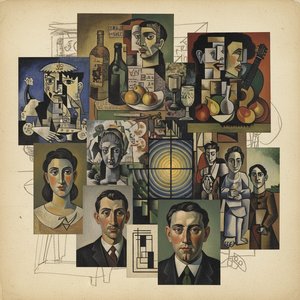
Explore 10 Cubist masterpieces by Picasso, Braque & more! Delve into the history of this revolutionary art movement. Find museum-quality reproductions and elevate your home decor with TopImpressionists. Discover all masterpieces on TopImpressionists.com

Explore the revolutionary impact of Cubism on 20th-century art. Discover Picasso, Braque & beyond with our expert guide to this pivotal movement. Learn about Analytic & Synthetic Cubism's techniques and lasting legacy.

キュビスムを代表する10大名作の世界へ。ピカソ、ブラックら巨匠の革新的な技と色彩が織りなす、時代を超越した芸術体験を。TopImpressionists.comで、至高のアートプリントとインテリアアイデアを発見しましょう。


最新の美術ニュース、限定オファー、そしてインテリアのアイデアをいち早くお届けします。
お客様のプロジェクトについてお聞かせください。当社の美術専門家が、お客様に合わせた3つのパーソナライズされた芸術提案をご提供いたします。
あなたにぴったりの3作品を無料で厳選いたします


 プレビュー
プレビュー
 シェアする
シェアする シェアする
シェアする
 詳細を見る
詳細を見る

 ダウンロード
 似ている作品
 X線調査
X線調査 スライドショー
 詳細を見る
詳細を見る









 ガラスオプションは、110cm未満のサイズでのみご利用いただけます。


