
迅速な制作と多彩な仕上げオプションを備えた、ミュージアムクオリティのジークレーまたはキャンバスプリント。 ( 手描きの絵画を購入 画像を購入)





























作品のオリジナル比率に合わせた、当店の規定サイズからお選びください。

特定のフレームやスペースに合わせて、ご自身でサイズを指定することも可能です。選択されたサイズが元の画像の比率と一致しない場合、作品をトリミングするか、鏡面反射または単色での塗りつぶしによって画像を拡張いたします。制作を開始する前に、ご確認用のデジタルモックアップをお送りいたします。
画面上のプレビューには、実際のトリミングや拡張は反映されませんのでご注意ください。最終的な構図を正確に確認できるのは、モックアップのみとなります。
カスタムサイズも承っておりますが、元の比率を維持するためには、あらかじめ用意されたリストからサイズを選択することをお勧めいたします。

La casserole emaillee
複製画のサイズ
The painting “La casserole emaillee,” a still life by Pablo Picasso, isn't merely a depiction of kitchen objects; it’s a carefully constructed exploration of form, color, and the shifting nature of perception. Completed in 1950 during his later years, this work exemplifies Picasso’s continued experimentation with Cubism while retaining a deeply personal and emotionally resonant quality. The scene is deceptively simple: a blue enamel pot dominates the composition, its handle curving dramatically against a pale greenish wall. Beside it rests a yellow candle holder, a white vase holding an unseen flower, a cup, and a bowl – each element rendered with Picasso’s characteristic fragmented approach.
Picasso's technique here is rooted in his Synthetic Cubism phase. Rather than attempting to represent objects realistically, he breaks them down into geometric shapes and reassembles them on the canvas from multiple viewpoints simultaneously. The pot isn’t presented as a single, unified form; instead, we see its contours dissected and rebuilt, creating an illusion of simultaneous presence. This deliberate distortion challenges our conventional understanding of space and depth, inviting us to actively engage with the artwork and reconstruct the image in our minds.
Color plays a crucial role in conveying the painting’s mood. The dominant blue of the pot evokes feelings of melancholy and introspection—a recurring theme in Picasso's work following personal tragedies. This somber hue is juxtaposed with the bright yellow of the candle holder, introducing an element of warmth and perhaps even a flicker of hope or remembrance. The white vase provides a neutral counterpoint, suggesting purity and stillness amidst the fragmented forms. The careful orchestration of these colors isn’t simply decorative; it's integral to the painting’s emotional narrative.
Notably, Picasso employed a wood engraving technique for this piece, a medium that lends itself particularly well to his fractured style. The precise lines and tonal variations within the engraving create a sense of both solidity and instability—a visual metaphor perhaps for the complexities of human experience. The use of “Van Gelder” paper, known for its fine texture and ability to hold detail, further enhances the artwork’s tactile quality.
"La casserole emaillee" is part of a larger series titled "Estampes" (Prints), created by Picasso between 1950 and 1954. This collection represents a significant shift in the artist’s output, moving away from his earlier paintings towards a more focused exploration of printmaking. “Estampes” allowed Picasso to experiment with different techniques and subjects while retaining the intellectual rigor that characterized his mature work.
The painting's subject matter—domestic objects—is surprisingly profound. It’s not simply a still life; it’s an investigation into the relationship between form, function, and meaning. Picasso was deeply interested in exploring the emotional resonance of everyday items, elevating them to the level of artistic significance. The title itself, “La casserole emaillee,” adds a layer of intrigue—a slightly offbeat phrase that hints at the artist’s playful engagement with language and imagery.
While Picasso never explicitly stated the symbolism behind "La casserole emaillee," art historians have proposed various interpretations. The pot, often associated with nourishment and sustenance, could represent a longing for stability or connection in the face of personal loss. The candle holder, symbolizing light and memory, might allude to cherished moments from the past. Ultimately, the painting’s power lies in its ambiguity—it invites viewers to project their own emotions and experiences onto the scene, creating a deeply personal encounter with Picasso's vision.
Reproductions of “La casserole emaillee” offer a remarkable opportunity to bring this iconic artwork into any interior space. The rich colors and intricate details are faithfully captured in our hand-painted reproductions, allowing you to experience the emotional depth and intellectual complexity of Picasso’s masterpiece firsthand.

1881 - 1973 , スペイン

Explore 10 iconic white paintings by Monet, Whistler & Rothko! Discover the stories behind these serene masterpieces and their impact on art history. Find museum-quality reproductions for your home decor at .

Immerse yourself in the captivating world of slate blue! Explore 10 iconic paintings by Monet, Van Gogh & Renoir. Discover their stories, techniques & find museum-quality art reproductions for your home at .
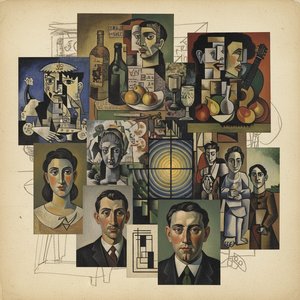
Explore 10 Cubist masterpieces by Picasso, Braque & more! Delve into the history of this revolutionary art movement. Find museum-quality reproductions and elevate your home decor with TopImpressionists. Discover all masterpieces on TopImpressionists.com

Transform your home with soulful blue art. From serene Monet impressions to modern textured sculptures, discover curated masterpieces designed to inspire calm. Explore expert art consultations and bespoke hand-painted reproductions to create your personal sanctuary.

ポール・セザンヌの至高の25選。ポスト印象派を代表する画家、セザンヌの傑作と革新的な技法を紐解きます。TopImpressionistsで高品質な複製画やインテリアアートを見つけ、芸術の世界をご自宅に。今すぐコレクションをご覧ください。


最新の美術ニュース、限定オファー、そしてインテリアのアイデアをいち早くお届けします。
お客様のプロジェクトについてお聞かせください。当社の美術専門家が、お客様に合わせた3つのパーソナライズされた芸術提案をご提供いたします。
あなたにぴったりの3作品を無料で厳選いたします


 プレビュー
プレビュー
 シェアする
シェアする シェアする
シェアする
 詳細を見る
詳細を見る

 ダウンロード
 似ている作品
 X線調査
X線調査 スライドショー
 詳細を見る
詳細を見る









 ガラスオプションは、110cm未満のサイズでのみご利用いただけます。


