
迅速な制作と多彩な仕上げオプションを備えた、ミュージアムクオリティのジークレーまたはキャンバスプリント。 ( 手描きの絵画を購入 画像を購入)





























作品のオリジナル比率に合わせた、当店の規定サイズからお選びください。

特定のフレームやスペースに合わせて、ご自身でサイズを指定することも可能です。選択されたサイズが元の画像の比率と一致しない場合、作品をトリミングするか、鏡面反射または単色での塗りつぶしによって画像を拡張いたします。制作を開始する前に、ご確認用のデジタルモックアップをお送りいたします。
画面上のプレビューには、実際のトリミングや拡張は反映されませんのでご注意ください。最終的な構図を正確に確認できるのは、モックアップのみとなります。
カスタムサイズも承っておりますが、元の比率を維持するためには、あらかじめ用意されたリストからサイズを選択することをお勧めいたします。

Le Gourmet
複製画のサイズ
Pablo Picasso's "Le Gourmet," painted in 1901 during his intensely evocative Blue Period, isn’t merely a portrait; it’s a poignant distillation of loneliness, poverty, and the quiet dignity of everyday existence. This seemingly simple depiction of a young girl seated at a table offers a profound glimpse into the artist's evolving worldview and his masterful manipulation of color and form. The painting, currently residing in the National Gallery of Art in Washington D.C., immediately draws the viewer in with its cool, monochromatic palette – primarily shades of blue, punctuated by subtle hints of brown and tawny yellow. This deliberate restriction of hues creates a mood of melancholy and introspection, mirroring the subject’s apparent isolation.
The girl herself is rendered with remarkable sensitivity. Her high forehead, snub nose, and rounded chin—features often associated with poverty and hardship—are presented not as markers of despair but rather as elements of her inherent beauty. Picasso's use of short, broken brushstrokes imbues the figure with a sense of fragility and vulnerability. Notice how he emphasizes her hands, delicately holding the bowl and spoon, suggesting a moment of quiet contemplation amidst a difficult reality. The simple act of eating becomes an emblem of survival, a small pleasure in a world devoid of warmth or comfort.
“Le Gourmet” is firmly rooted within the artist's Blue Period, a time marked by profound personal loss and a shift in artistic focus. Following the death of his sister, Fernande, Picasso experienced a period of intense grief and disillusionment. This emotional turmoil profoundly influenced his work, leading him to adopt a predominantly blue palette – symbolizing sorrow, melancholy, and spiritual suffering. The Blue Period wasn’t simply about depicting sadness; it was an attempt to grapple with mortality and the human condition through art. It's important to note that Picasso deliberately avoided overtly dramatic or violent imagery during this period, instead opting for scenes of quiet desperation and understated emotion.
The choice of blue is particularly significant in “Le Gourmet.” The cool tones evoke a sense of detachment and isolation, reflecting the girl’s solitary existence. However, within this somber atmosphere, subtle hints of warmth—the pink of her lips and cheeks, the tawny yellow of the bowl—suggest a flicker of hope or resilience. Picasso masterfully balances these contrasting elements, creating a complex and layered emotional experience for the viewer.
Picasso’s compositional choices further enhance the painting's impact. The vertical format emphasizes the girl’s stature, drawing attention to her face and hands—the focal points of the image. The table, extending diagonally into the scene, creates a sense of depth and anchors the subject within a confined space. The inclusion of the other figures – a man standing behind her and another in the background – subtly suggests a wider social context, hinting at the girl’s vulnerability within a larger community.
Technically, “Le Gourmet” showcases Picasso's developing skills as a painter. He employs a technique characterized by loose brushwork and a deliberate lack of detail, prioritizing emotional expression over precise representation. The use of overlapping planes and flattened perspective—a hallmark of early Cubism—creates an intriguing sense of spatial ambiguity. The painting’s surface is textured with visible brushstrokes, adding to its tactile quality and reinforcing the artist's expressive intent.
Beyond its immediate depiction of poverty and loneliness, “Le Gourmet” resonates with broader symbolic themes. The act of eating represents sustenance—both physical and emotional—a fundamental human need often denied to those marginalized by society. The girl’s quiet dignity in the face of adversity speaks to the resilience of the human spirit.
Picasso's “Le Gourmet” remains a powerful testament to his artistic genius and his ability to capture profound emotions through deceptively simple imagery. It is a poignant reminder of the struggles faced by vulnerable populations and a celebration of the enduring beauty found even in moments of quiet solitude. TopImpressionists offers meticulously crafted, hand-painted reproductions that faithfully recreate this iconic masterpiece, allowing you to experience its emotional depth and artistic brilliance firsthand.

1881 - 1973 , スペイン

Immerse yourself in the captivating world of slate blue! Explore 10 iconic paintings by Monet, Van Gogh & Renoir. Discover their stories, techniques & find museum-quality art reproductions for your home at .

Transform your home with soulful blue art. From serene Monet impressions to modern textured sculptures, discover curated masterpieces designed to inspire calm. Explore expert art consultations and bespoke hand-painted reproductions to create your personal sanctuary.
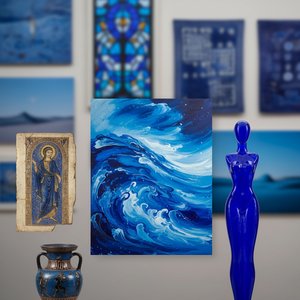
Explore the rich history of blue in art! Discover its symbolism, from ancient pigments to modern masterpieces by Kandinsky & Seurat. Uncover the psychological impact and cultural meanings behind this captivating hue.
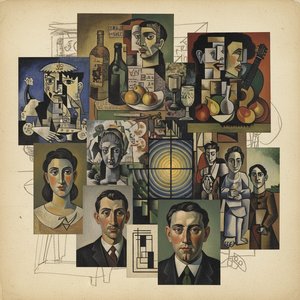
Explore 10 Cubist masterpieces by Picasso, Braque & more! Delve into the history of this revolutionary art movement. Find museum-quality reproductions and elevate your home decor with TopImpressionists. Discover all masterpieces on TopImpressionists.com

Elevate your space with bold water landscapes and deep blue textures. Discover trending abstract art, from sculptural textiles to premium oil reproductions, designed to bring high-impact, liquid vibes to modern urban interiors.


最新の美術ニュース、限定オファー、そしてインテリアのアイデアをいち早くお届けします。
お客様のプロジェクトについてお聞かせください。当社の美術専門家が、お客様に合わせた3つのパーソナライズされた芸術提案をご提供いたします。
あなたにぴったりの3作品を無料で厳選いたします


 プレビュー
プレビュー
 シェアする
シェアする シェアする
シェアする
 詳細を見る
詳細を見る

 ダウンロード
 似ている作品
 X線調査
X線調査 スライドショー
 詳細を見る
詳細を見る









 ガラスオプションは、110cm未満のサイズでのみご利用いただけます。


