


 キャンバスにアクリル絵具ウォールアートSurrealism
 1923モダン
 205.0 x 174.0 cm




























作品のオリジナル比率に合わせた、当店の規定サイズからお選びください。

特定のフレームやスペースに合わせて、ご自身でサイズを指定することも可能です。選択されたサイズが元の画像の比率と一致しない場合、作品をトリミングするか、鏡面反射または単色での塗りつぶしによって画像を拡張いたします。制作を開始する前に、ご確認用のデジタルモックアップをお送りいたします。
画面上のプレビューには、実際のトリミングや拡張は反映されませんのでご注意ください。最終的な構図を正確に確認できるのは、モックアップのみとなります。
カスタムサイズも承っておりますが、元の比率を維持するためには、あらかじめ用意されたリストからサイズを選択することをお勧めいたします。

Pan's flute
複製画のサイズ
Pablo Ruiz y Picasso, a name synonymous with artistic revolution, was born in Málaga, Spain, on October 25, 1881. His very existence seemed destined for creative expression; legend has it his first uttered words were “piz, piz,” an attempt to say ‘pencil’. This early inclination was nurtured by his father, José Ruiz y Blasco, a painter and art teacher who provided young Pablo with foundational training. However, the student quickly surpassed the instructor, demonstrating a remarkable aptitude for naturalistic depiction that hinted at the prodigious talent within.
The family’s subsequent moves – first to A Coruña, then Barcelona – were punctuated by personal tragedy, notably the loss of Picasso's sister, experiences which would subtly infuse his later work with themes of melancholy and mortality. Even during formal studies at the School of Fine Arts in Barcelona and a brief stint at the Royal Academy of San Fernando in Madrid, Picasso chafed against rigid academic conventions, yearning for freedom of expression that aligned with his burgeoning artistic vision.
“Pan’s Flute,” painted in 1923 during Picasso's classical period, is a monumental oil on canvas measuring 205 x 174 cm. Currently housed at Öffentliche Kunstsammlung Basel, Switzerland, this artwork exemplifies Surrealism—a movement dedicated to unlocking the subconscious mind and challenging rational thought.
The painting depicts two men standing side by side against a stark blue wall. One man intently observes the other who appears to be playing a musical instrument – likely a flute or drum – capturing a moment of contemplative engagement. The backdrop incorporates benches and a chair, suggesting an outdoor setting imbued with tranquility. Picasso’s masterful use of color—particularly the dominant azure hue—creates a dramatic contrast that draws attention to the figures' interaction.
The scene resonates with mythological references, harking back to Pan, the Greek god associated with pastoral life and music. The positioning of the men embodies a dynamic tension between observation and participation, inviting viewers to contemplate themes of contemplation, desire, and artistic inspiration. Picasso’s meticulous attention to detail—the textures of clothing, the subtle shading—further enhances the painting's expressive power.
As a movement born from Dada nihilism and fueled by Freudian psychoanalysis, Surrealism sought to liberate art from logical constraints. Picasso’s “Pan’s Flute” embodies this spirit by presenting a dreamlike tableau that transcends literal representation.
The painting's symbolism is rich with layers of meaning. The blue wall symbolizes stability and contemplation, while the flute represents artistic creativity and connection to primal instincts. The figures themselves embody duality—one man absorbed in music, the other watchful—reflecting the complexities of human experience.
"Pan's Flute" stands as a cornerstone achievement of Picasso’s Surrealist period, demonstrating his unwavering commitment to artistic experimentation. It is more than just a depiction of two men; it’s an invitation to delve into the depths of human psychology and explore the transformative potential of imagination.

1881 - 1973 , スペイン

パブロ・ピカソの至高の25選。キュビズム、ゲルニカなど、時代を揺るがした名画の物語と芸術的魅力に迫ります。リビングやオフィスを彩るインテリアアートにも最適。TopImpressionists.comで高品質なピカソ作品をコレクション。
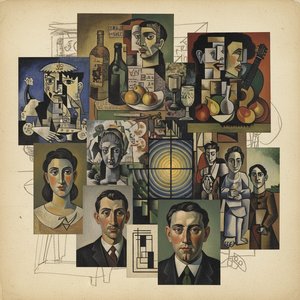
Explore 10 Cubist masterpieces by Picasso, Braque & more! Delve into the history of this revolutionary art movement. Find museum-quality reproductions and elevate your home decor with TopImpressionists. Discover all masterpieces on TopImpressionists.com

Explore 10 Cubist masterpieces by Picasso, Braque & more! Discover the stories behind these revolutionary paintings and their impact on modern art. Find museum-quality reproductions for your home at TopImpressionists.com – where art comes to life.

ルネ・マグリット傑作25選。シュルレアリスムを代表するベルギー絵画の巨匠、その幻想的な世界と隠されたメッセージを紐解きます。TopImpressionistsで高品質なアートプリントや複製画を見つけ、お部屋に名画の感動を。今すぐコレクションをご覧ください。

MoMAの至宝25選:ゴッホ、ピカソ、ウォーホル…名画に秘められた物語を紐解きます。印象派から現代アートまで、美術史を彩る傑作をTopImpressionistsで。複製画やインテリアアートも豊富にご用意。今すぐコレクションをご覧ください。


最新の美術ニュース、限定オファー、そしてインテリアのアイデアをいち早くお届けします。
お客様のプロジェクトについてお聞かせください。当社の美術専門家が、お客様に合わせた3つのパーソナライズされた芸術提案をご提供いたします。
あなたにぴったりの3作品を無料で厳選いたします
 Preview
 手描き複製画を注文する
 シェアする
シェアする シェアする
シェアする
 詳細を見る
詳細を見る

 ダウンロード
 似ている作品
 X線調査
X線調査 スライドショー
 詳細を見る
詳細を見る









 ガラスオプションは、110cm未満のサイズでのみご利用いただけます。


