


 プレビュー
プレビュー
 シェアする
シェアする シェアする
シェアする
 詳細を見る
詳細を見る ガイド
ガイド

 ダウンロード
 似ている作品
 X線調査
X線調査 スライドショー
 統計情報
統計情報Peace

Experience 'Peace' by Pablo Picasso – a powerful anti-war masterpiece depicting suffering and resilience through bold colors & fragmented forms. A timeless symbol of humanity’s struggle for harmony.
 詳細を見る
詳細を見る
ピカソ(1881-1973)は、キュビスムの創始者であり、グエルニカやアヴィニョンの娘たちなどの象徴的な作品で知られるスペインの革命的な画家・彫刻家。多様なスタイルを駆使し、20世紀美術に多大な影響を与え続けています。
ジークレー/アートプリント
迅速な制作と多彩な仕上げオプションを備えた、ミュージアムクオリティのジークレーまたはキャンバスプリント。 ( 手描きの絵画を購入 デジタル画像販売へ切り替え)




P118B $10

P118H $10

P118W $10

P438Z $10

P508JH $12

P508YH $12

P805H $10

P805Z $10

P919BZ $10

P919G $10

P919XJ $10

P959ZH $10

P968JZ $12

W106C $8

W218G $10

W218JH $8

W218Y $10

W307PJ $10

W316G $10

W316PJ $8

W316Y $10

W398PJ $8

W4111J $10

W500HY $15

W500JH $15

W692G $12

W849H $8

W940BG $15

W953PJ $8




標準サイズ
オーダーメイド
CM
INCH
作品のオリジナル比率に合わせた、当店の規定サイズからお選びください。
Loading sizes...

幅
高さ
特定のフレームやスペースに合わせて、ご自身でサイズを指定することも可能です。選択されたサイズが元の画像の比率と一致しない場合、作品をトリミングするか、鏡面反射または単色での塗りつぶしによって画像を拡張いたします。制作を開始する前に、ご確認用のデジタルモックアップをお送りいたします。
画面上のプレビューには、実際のトリミングや拡張は反映されませんのでご注意ください。最終的な構図を正確に確認できるのは、モックアップのみとなります。
カスタムサイズも承っておりますが、元の比率を維持するためには、あらかじめ用意されたリストからサイズを選択することをお勧めいたします。


 ガラスオプションは、110cm未満のサイズでのみご利用いただけます。

Peace
ジークレー/アートプリント
複製画のサイズ
-


合計金額
$ 69
The Genesis of a Symbol: Pablo Picasso’s “Peace”
Pablo Picasso's 1949 lithograph, "Peace," isn’t merely a depiction of a dove; it’s an embodiment of hope forged in the crucible of wartime devastation. Born from a commission for the Paris International Exposition, this work transcends its initial purpose as a poster to become one of the most enduring and universally recognized symbols of peace ever created. Picasso, deeply affected by the horrors of World War II and the burgeoning threat of nuclear conflict, responded with an image that resonated far beyond the confines of political discourse – a simple, yet profoundly moving representation of serenity amidst chaos.
The genesis of this iconic piece is inextricably linked to Picasso’s lifelong fascination with birds. Throughout his career, he frequently depicted them, often imbued with symbolic weight. His early association with Henri Matisse, who gifted him a snow-white pigeon – the model for this particular “Dove of Peace” – cemented this connection. This wasn't simply an artistic whim; it was a deliberate choice to utilize a creature universally associated with gentleness, freedom, and innocence. The selection of a dove as the emblem for peace speaks volumes about Picasso’s belief in the potential for harmony and reconciliation, even in the darkest of times.
Deconstructing the Image: Form and Technique
Unlike the more detailed and expressive “Dove of Peace” created in 1949, this particular iteration is strikingly minimalist. The composition relies heavily on stark black lines against a white background, creating an almost graphic quality. The dove itself is rendered with a simplified, almost childlike style – a deliberate choice that elevates its symbolic power. It’s not a realistic depiction; rather, it's a distilled essence of peace, instantly recognizable and universally understood.
- Line Work: Picasso employs bold, confident lines to define the form of the dove, conveying a sense of strength and stability despite its delicate subject matter.
- Negative Space: The use of negative space – the areas around and between the lines – is crucial to the image’s impact, creating an airy, ethereal quality that reinforces the feeling of serenity.
- Lithograph Technique: As a lithograph, the image was created using a complex process involving stone etching and printing. This technique lends itself perfectly to the clean lines and stark contrasts of the composition, emphasizing its graphic nature.
A Historical Echo: Guernica and the Call for Peace
The creation of “Peace” occurred in the aftermath of World War II, a period marked by unprecedented global conflict and widespread suffering. Picasso’s earlier masterpiece, *Guernica* (1937), painted in response to the bombing of the Basque town of Guernica during the Spanish Civil War, served as a powerful indictment of violence and destruction. The trauma of this event deeply affected Picasso, fueling his desire to create an image that offered a counterpoint to the horrors he had witnessed. “Peace,” therefore, can be seen as a direct response to *Guernica*, representing a yearning for reconciliation and a rejection of war’s devastating consequences.
The timing of its creation – 1949 – coincided with the United Nations' establishment and the growing international movement advocating for peace. Picasso’s image was adopted as an emblem by various peace organizations, further amplifying its message and solidifying its place in the global consciousness. It became a visual shorthand for hope amidst uncertainty, a reminder of humanity’s capacity for compassion and cooperation.
Beyond Representation: The Enduring Legacy
“Peace” is more than just an image; it's a testament to the power of art to transcend political boundaries and speak directly to the human spirit. Its simplicity, combined with its profound symbolism, has ensured its continued relevance across generations. Today, it remains one of the most recognizable symbols of peace in the world – a poignant reminder that even in times of conflict, the pursuit of harmony is always possible. Reproductions of this iconic lithograph continue to be sought after by collectors and interior designers alike, offering a tangible connection to a powerful message of hope and reconciliation.
アーティストの略歴
マálagaの息子、芸術革命への道
パブロ・ピカソ。その名は、20世紀美術における革命を象徴する言葉として世界中に知られています。1881年10月25日、スペインのマálagaで生まれ、幼い頃から鉛筆に惹かれる才能を示した彼は、父であるホセ・ルイス・ブルスコの指導のもと、絵画の世界へと足を踏み入れました。しかし、ピカソはすぐに師を凌駕し、自然主義的な描写における驚くべき才能を発揮しました。家族がコルヌーニャ、そしてバルセロナへと移り住った際、姉の死という悲劇に見舞われる中で、彼の作品には繊細な憂鬱と死への意識が滲み出ることになります。バルセロナ美術学校やマドリード王立サン・フェルナンド芸術アカデミーでの学業も中途半端に終わりましたが、それは彼が伝統的な画風に縛られることを拒否し、ヴェラスケスやゴヤといった巨匠たちから学びながら、独自の芸術的道を切り開こうとした証でした。青と薔薇の時代:感情と色彩の探求
20世紀初頭、ピカソは「青の時代」(1901年~1904年)と「薔薇の時代」(1904年~1906年)という、二つの明確な時期を経験します。青の時代は、個人的な苦悩と社会的な苦しみの鋭い認識から生まれ、憂鬱な青や藍色の色調に染め上げられた作品群が特徴です。貧困にあえぐ人々、盲人、売春婦といった社会の底辺で生きる人々を、深い共感をもって描き出し、孤独と絶望というテーマを表現しています。「生命」(1903年)や「古いギター弾き」(1903年~1904年)は、この時代を象徴する作品として、今もなお多くの人々の心を打ちます。そして、パリへの移住と私生活の変化が、「薔薇の時代」をもたらしました。パレットは暖色系へと変わり、ピンク、オレンジ、赤といった色彩が画面を彩ります。ピカソはサーカス団員たちに魅せられ、彼らの脆さと力強さを表現しました。「塩imbancosの一族」(1905年)は、この時代の移行期を示す作品であり、その後の芸術的探求への伏線となっています。視点の破壊:キュビスムと新たな表現
1907年の「アビニョンの娘たち」の制作は、美術史における転換点となりました。イベリア彫刻やアフリカのマスクの影響を受け、この作品は伝統的な遠近法や描写を根本から覆しました。それは、何世紀にもわたる芸術的慣習に対する大胆な拒絶であり、ジョルジュ・ブラックと共にキュビスムという革命的な運動へと繋がりました。分析的キュビスム(1909年~1912年)では、物体は幾何学的な形に分解され、抑制された色彩で表現されることで、あたかもその形態を解剖しているかのような印象を与えます。そして、新聞の切り抜きや布片といったコラージュ要素を取り入れた総合的キュビスム(1912年~1919年)へと発展し、新たな質感と視覚的な複雑さを加えました。ピカソは世界を単に表現するのではなく、それを解体し、自身の創造的な意図によって再構築しようとしたのです。変革の探求:新古典主義、シュルレアリスム、そして戦争
1920年代には、ピカソは一時的に新古典主義様式を取り入れ、古典的な形態を彷彿とさせる巨大な人物像を描きました。同時に、彼は新興のシュルレアリスム運動とも関わりを持ちましたが、完全にその影響下に入ったわけではありません。この時期の作品は、初期の様式的な影響とシュールなイメージ、そして歪んだ遠近法が融合し、彼の飽くなき実験精神を物語っています。スペイン内戦の悲劇はピカソに深い衝撃を与え、「ゲルニカ」(1937年)という巨大な作品を生み出しました。この作品は、ゲルニカ爆撃に対する激しい感情的な反応であり、戦争の惨禍を象徴する不朽の名作となりました。ピカソは芸術家としてだけでなく、平和と社会正義のための強力な声となったのです。1950年代から60年代にかけても、彼は陶芸、彫刻、版画といった様々な分野に挑戦し続けました。そして、1961年にジャクリーヌ・ルクとの結婚は、彼の個人的な生活と芸術表現に新たな次元をもたらしました。計り知れない遺産
1973年4月8日、ムーアンでピカソはその生涯を閉じましたが、5万点を超えるという驚くべき数の作品群を残し、後世に多大な影響を与えました。彼の芸術的発展は、ヴェラスケスやゴヤといったスペインの巨匠たちから、イベリア彫刻、アフリカ美術、そしてマティスの鮮やかな色彩パレットまで、多様な影響を受けています。20世紀美術への彼の貢献は計り知れません。キュビスムを創始し、コラージュや組み立て彫刻の先駆者となり、常に芸術的慣習に挑戦しました。ピカソの飽くなき実験精神は現代美術を再定義し、世代を超えて多くのアーティストにインスピレーションを与え続けています。彼の遺産はキャンバスを超え、現代文化の様々な側面に共鳴し、芸術的ビジョンの変革力を私たちに思い出させてくれます。
パブロ・ピカソ
1881 - 1973 , スペイン
基本情報
- フルネーム: パブロ・ルイス・ピカソ
- 主な作品:
- レ・デモワゼル・ダヴィニョン
- ゲルニカ
- 老ギター弾き
- 出生地: マラガ、スペイン
- 国籍: スペイン
- 影響を与えたアーティストまたは運動:
- キュビスム
- 現代美術
- 影響を受けたアーティスト:
- ベラスケス
- ゴヤ
- 没年月日: 1973年4月8日
- 生年月日: 1881年10月25日
- 芸術運動またはスタイル: キュビスム、シュルレアリスム
関連記事

Cubism Unveiled: How Picasso and Braque Redefined Modern Art through Geometric Revolution
Explore the revolutionary world of Cubism. Discover how Pablo Picasso and Georges Braque dismantled perspective to redefine modern art through geometric innovation and analytical mastery. An essential guide for art students, collectors, and history enthusiasts.

Cubism Unveiled: How Picasso and Braque Redefined Reality Through Geometric Abstraction
Explore the revolutionary world of Cubism. Discover how masters Pablo Picasso and Georges Braque dismantled reality through geometric abstraction to redefine modern art history.

Cubism Explained: How Picasso and Braque Shattered Reality to Redefine Modern Art
Master the complexities of Cubism with our expert guide. Explore how Picasso and Braque revolutionized modern art through fragmentation, multiple perspectives, and geometric innovation. Perfect for art students and collectors seeking deep historical insight.

Pablo Picasso: A Revolutionary Vision – Cubism, Symbolism & Enduring Legacy
Explore the revolutionary art of Pablo Picasso with TopImpressionists.com. Discover Cubism's origins, symbolism in his masterpieces & investment insights for collectors. Expert appraisal & custom reproductions available.
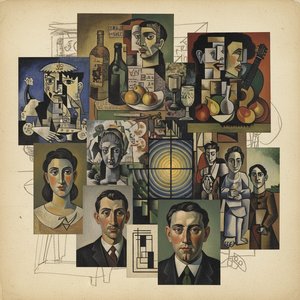
Cubism's Revolution: 10 Masterpieces That Redefined Modern Art | TopImpressionists
Explore 10 Cubist masterpieces by Picasso, Braque & more! Delve into the history of this revolutionary art movement. Find museum-quality reproductions and elevate your home decor with TopImpressionists. Discover all masterpieces on TopImpressionists.com
テーマ、スタイル、特徴別に分類された作品を探索しましょう。


