
迅速な制作と多彩な仕上げオプションを備えた、ミュージアムクオリティのジークレーまたはキャンバスプリント。 ( 手描き画への切り替え 画像に切り替え)





























作品のオリジナル比率に合わせた、当店の規定サイズからお選びください。

特定のフレームやスペースに合わせて、ご自身でサイズを指定することも可能です。選択されたサイズが元の画像の比率と一致しない場合、作品をトリミングするか、鏡面反射または単色での塗りつぶしによって画像を拡張いたします。制作を開始する前に、ご確認用のデジタルモックアップをお送りいたします。
画面上のプレビューには、実際のトリミングや拡張は反映されませんのでご注意ください。最終的な構図を正確に確認できるのは、モックアップのみとなります。
カスタムサイズも承っておりますが、元の比率を維持するためには、あらかじめ用意されたリストからサイズを選択することをお勧めいたします。

Seated harlequin
複製画のサイズ
Pablo Picasso's "Seated Harlequin," painted in 1923, is more than just a portrait; it’s a poignant exploration of melancholy and the complexities of human emotion rendered through the lens of Cubism. This artwork, housed within the Museum Folkwang, exemplifies Picasso's mastery of fragmented forms and his ability to convey profound feelings with seemingly abstract shapes.
The harlequin figure itself is rich in symbolic meaning. Traditionally a comedic character from commedia dell’arte, the harlequin represents duality – a blend of joy and sorrow, masking and revelation. Picasso's choice to depict this figure seated and withdrawn subverts the usual jovial portrayal. The slumped posture and downcast gaze suggest introspection and perhaps even loneliness. The costume, with its fragmented diamond patterns, visually reinforces the theme of brokenness and multifaceted identity. It’s a departure from the typical celebratory depiction, transforming the harlequin into a symbol of quiet contemplation.
“Seated Harlequin” is a prime example of Picasso's Cubist style, particularly his Synthetic Cubism phase. Unlike Analytical Cubism which focused on dissecting objects into their component parts, Synthetic Cubism reassembled these fragments to create new forms and perspectives. Notice how the figure isn’t rendered realistically; instead, it’s composed of geometric shapes – triangles, rectangles, and curves – arranged in a flattened space. The use of muted colors—primarily blues, browns, and ochres—further contributes to the painting's somber mood. The overlapping planes create a sense of depth while simultaneously denying traditional perspective. This deliberate distortion forces the viewer to actively engage with the artwork, piecing together the image and interpreting its meaning.
Painted in 1923, "Seated Harlequin" reflects a period of personal change for Picasso. His relationship with his first wife, Olga Khokhlova, was strained, and he was exploring new artistic directions. The harlequin figure can be interpreted as an autobiographical representation – a reflection of Picasso’s own internal struggles and the complexities of his emotional life. The artwork emerged during a time when Cubism had already revolutionized art but continued to evolve, pushing boundaries and challenging conventional notions of representation. It stands as a testament to Picasso's ongoing experimentation and his ability to adapt and innovate within his established style.
Despite its abstract nature, "Seated Harlequin" evokes a powerful emotional response. The painting’s quiet sadness is palpable; the figure seems lost in thought, burdened by an unspoken weight. The fragmented forms mirror the fractured state of mind, creating a sense of vulnerability and introspection. This artwork isn't about outward expression but rather about conveying inner turmoil through visual language. It invites viewers to contemplate themes of isolation, identity, and the complexities of human emotion – making it a timeless masterpiece that continues to resonate with audiences today.

1881 - 1973 , スペイン

パブロ・ピカソの至高の25選。キュビズム、ゲルニカなど、時代を揺るがした名画の物語と芸術的魅力に迫ります。リビングやオフィスを彩るインテリアアートにも最適。TopImpressionists.comで高品質なピカソ作品をコレクション。

Explore 10 revolutionary Cubist portraits by Picasso, Braque & more! Discover the stories behind these iconic paintings and how they shaped modern art. Find museum-quality reproductions to elevate your home decor on TopImpressionists.com.

Explore 10 iconic portrait paintings – from Mona Lisa to Van Gogh’s self-portraits. Discover the stories behind these masterpieces, artistic techniques & find museum-quality art reproductions for your home at TopImpressionists.com.
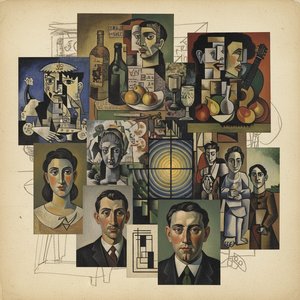
Explore 10 Cubist masterpieces by Picasso, Braque & more! Delve into the history of this revolutionary art movement. Find museum-quality reproductions and elevate your home decor with TopImpressionists. Discover all masterpieces on TopImpressionists.com

フランシス・ベーコンの傑作25選。魂を揺さぶる表現主義絵画の世界へ。人物画、三面図、ポープ・インノケンティウス10世など、美術史に残る名作をTopImpressionistsで高精細複製画としてご紹介。インテリアに深みと個性を。今すぐコレクションをご覧ください。


最新の美術ニュース、限定オファー、そしてインテリアのアイデアをいち早くお届けします。
お客様のプロジェクトについてお聞かせください。当社の美術専門家が、お客様に合わせた3つのパーソナライズされた芸術提案をご提供いたします。
あなたにぴったりの3作品を無料で厳選いたします


 プレビュー
プレビュー
 シェアする
シェアする シェアする
シェアする
 詳細を見る
詳細を見る

 ダウンロード
 似ている作品
 X線調査
X線調査 スライドショー

 詳細を見る
詳細を見る









 ガラスオプションは、110cm未満のサイズでのみご利用いただけます。


