
当社のアーティストが、お客様のご希望のサイズと額縁に合わせて、キャンバスに手描きで制作する油彩画です。 ( プリント版に切り替え 画像に切り替え)





























作品のオリジナル比率に合わせた、当店の規定サイズからお選びください。

特定のフレームやスペースに合わせて、ご希望のサイズをご入力いただけます。選択されたサイズが元の画像の比率と異なる場合、アートワークをトリミングするか、手描きで要素を追加して絵画を拡張いたします。デジタルモックアップ を制作し、制作開始前にご確認(承認)をいただきます。
画面上のプレビューは、実際のトリミングや拡張を正確に反映しているものではありません。最終的な構図は、モックアップによってのみ正確にご確認いただけます。
カスタムサイズもご利用いただけますが、元の比率を維持するためには、あらかじめ用意されたリストからサイズを選択することをお勧めいたします。

Seated nude
複製画のサイズ
Pablo Picasso's charcoal drawing, "Seated Nude," created in 1906, isn’t merely a depiction of a female figure; it’s a distilled essence of human vulnerability and introspection. This work, born from the fertile ground of Picasso’s early explorations into form and emotion, stands as a testament to his burgeoning Expressionist style – a departure from strict realism towards a more subjective and emotionally charged representation. The drawing captures a woman seated with her head subtly turned away, an act that immediately invites speculation about her thoughts and feelings. It's a pose of quiet contemplation, radiating a sense of both strength and delicate vulnerability.
The stark monochrome palette – shades ranging from deepest black to luminous white – amplifies the drawing’s dramatic impact. Picasso masterfully employs hatching and cross-hatching techniques, layering charcoal strokes to build volume and create an illusion of texture. These meticulous lines aren't intended to perfectly replicate anatomy; instead, they serve to convey a sense of weight, form, and the subtle nuances of light and shadow. The grainy quality of the charcoal itself adds another layer of tactile interest, grounding the image in the physicality of the medium.
Picasso’s lines are anything but precise. They're loose, gestural, and imbued with a dynamic energy that belies the seated posture. These aren’t the clean, defined contours of academic drawing; they’re expressive marks that capture the fleeting quality of movement and emotion. The simplified forms of the figure – particularly her face – emphasize emotional impact over anatomical accuracy. This deliberate distortion contributes to the overall sense of intensity and vulnerability. The dominant shapes are organic, mirroring the curves of the human body, yet Picasso subtly manipulates them, creating a feeling of both solidity and fluidity.
Notice how the background is deliberately minimal – suggesting a chair or bench rather than fully defining it. This strategic choice directs all attention to the central figure, reinforcing her isolation and contemplative state. The lighting, though implied, is directional, casting strong contrasts between light and shadow that sculpt the form and create a powerful sense of depth. The interplay of these elements creates a visual rhythm that draws the viewer into the woman’s internal world.
Created during a pivotal period in Picasso’s artistic development, “Seated Nude” reflects his ongoing exploration of human form and emotion. It aligns with his early interest in Iberian sculpture, which he encountered through an exhibition at the Louvre Museum in 1906. The influence of these ancient carvings is evident in the figure's broad-faced expression, elongated features, and a certain masklike quality – characteristics that Picasso consciously adopted to convey a sense of timelessness and universality. The drawing speaks to themes of melancholy and mortality, subtly echoing the personal tragedies that punctuated his early life.
Beyond its formal qualities, “Seated Nude” resonates with a profound emotional depth. The woman’s posture suggests introspection and quiet contemplation, inviting viewers to project their own feelings and experiences onto her image. It's a powerful reminder of the enduring human capacity for both vulnerability and resilience. This drawing is not simply a portrait; it’s an exploration of the inner landscape of the human spirit.

1881 - 1973 , スペイン

Explore the captivating world of Arturo Souto's abstract expressionism. Discover his unique style, emotional depth, and investment potential – a guide for discerning art collectors.

Explore 10 defining Cubist Expressionism masterpieces by Picasso, Braque & more. Discover the stories behind these bold, geometric paintings and bring museum-quality art to your home with TopImpressionists.com. Explore the full collection online.

エゴン・シーレの傑作25選。表現主義を代表するオーストリアの画家、その魂を揺さぶる人物画や自画像の世界へ。TopImpressionistsで名画の複製画とインテリアアートをお楽しみください。コレクションを見る▶
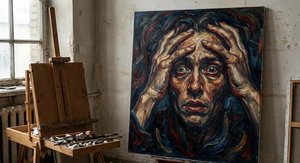
Explore the powerful world of Figurative Expressionism with TopImpressionists. Discover key artists like Kirchner & Beckmann, understand its emotional depth, and learn how to collect this influential 20th-century art movement.

Explore 10 iconic paintings dominated by charcoal tones – from Rembrandt's dramatic chiaroscuro to Goya’s expressive portraits. Discover the stories behind these masterpieces & find museum-quality art reproductions for your home at .


最新の美術ニュース、限定オファー、そしてインテリアのアイデアをいち早くお届けします。
お客様のプロジェクトについてお聞かせください。当社の美術専門家が、お客様に合わせた3つのパーソナライズされた芸術提案をご提供いたします。
あなたにぴったりの3作品を無料で厳選いたします


 プレビュー
プレビュー
 シェアする
シェアする シェアする
シェアする
 詳細を見る
詳細を見る

 ダウンロード
 似ている作品
 X線調査
X線調査 スライドショー

 詳細を見る
詳細を見る









 ガラスオプションは、110cm未満のサイズでのみご利用いただけます。


