
 Oil On CanvasWallArtEarly Cubism
 1906
1906 39.0 x 30.0 cm
当社のアーティストが、お客様のご希望のサイズと額縁に合わせて、キャンバスに手描きで制作する油彩画です。 ( プリント版に切り替え 画像に切り替え)





























作品のオリジナル比率に合わせた、当店の規定サイズからお選びください。

特定のフレームやスペースに合わせて、ご希望のサイズをご入力いただけます。選択されたサイズが元の画像の比率と異なる場合、アートワークをトリミングするか、手描きで要素を追加して絵画を拡張いたします。デジタルモックアップ を制作し、制作開始前にご確認(承認)をいただきます。
画面上のプレビューは、実際のトリミングや拡張を正確に反映しているものではありません。最終的な構図は、モックアップによってのみ正確にご確認いただけます。
カスタムサイズもご利用いただけますが、元の比率を維持するためには、あらかじめ用意されたリストからサイズを選択することをお勧めいたします。

Self-Portrait
複製画のサイズ
Pablo Picasso's "Self-Portrait," painted in 1906, isn’t merely a likeness; it’s a raw, pulsating embodiment of the artist wrestling with his own identity and the burgeoning artistic currents swirling around him. This intimate canvas, measuring just 39 x 30 centimeters, offers an unparalleled glimpse into the mind of a revolutionary – a man poised on the precipice of transforming not only painting itself but also our very perception of reality. The work immediately commands attention with its vibrant, almost jarring, palette; deep blues and greens dominate the background, creating a sense of both melancholy and restless energy, while punctuated by flashes of ochre and crimson that draw the eye to Picasso’s face.
The portrait itself is far from a conventional representation. Picasso deliberately distorts his features – the eyes are wide with an almost unsettling intensity, the mouth slightly downturned, hinting at introspection or perhaps even dissatisfaction. The beard and mustache, rendered with bold, expressive brushstrokes, contribute to a sense of ruggedness and vulnerability. It’s a face that isn't striving for beauty but rather revealing something deeper – a complex tapestry of emotion and intellectual curiosity. This deliberate departure from realistic representation speaks directly to the influence of Expressionism, a movement gaining traction at the time, which prioritized conveying inner experience over objective depiction.
To fully appreciate “Self-Portrait,” it’s crucial to understand the artistic landscape that shaped Picasso during this pivotal period. The painting is deeply indebted to Paul Cézanne, whose emphasis on geometric forms and flattened perspectives provided a foundational framework for Picasso's own explorations. However, Picasso wasn’t simply imitating; he was actively dismantling and reimagining these influences. Simultaneously, the portrait reflects Picasso’s fascination with African art, particularly masks and sculptures. The fragmented planes of the face, the simplified features, and the overall sense of dynamism resonate with the stylistic elements found in tribal art – a deliberate attempt to strip away convention and arrive at a more primal, essential form of expression.
The influence of these diverse sources is evident in the painting’s unsettling yet captivating quality. Picasso wasn't aiming for harmony or seamless integration; instead, he embraced dissonance, creating a visual experience that mirrors the complexities of his own artistic journey and the turbulent spirit of the early 20th century.
While “Self-Portrait” predates the fully realized tenets of Cubism, it undeniably contains its nascent seeds. The subtly fractured planes of the face, the suggestion of multiple viewpoints simultaneously, and the deliberate distortion of space are all precursors to Picasso’s groundbreaking movement. This isn't a static portrait; it feels like a captured moment of transformation – a visual representation of an artist actively dismantling traditional modes of seeing and depicting the world.
The bold brushstrokes, applied with a sense of urgency and immediacy, further contribute to this feeling of dynamism. They aren’t meticulously blended or smoothed out; rather, they retain their individual character, creating a textured surface that invites close examination. It's as if Picasso is attempting to capture not just the appearance of his face but also the very process of creation itself – the act of shaping and reshaping reality through paint.
“Self-Portrait” from 1906 stands as a powerful testament to Picasso’s innovative spirit and his role in ushering in a new era of modern art. It's more than just a depiction of a man; it’s a visual manifesto – a declaration of intent, a bold experiment with form and color, and a profound exploration of the human psyche. The painting’s emotional intensity, coupled with its historical significance, makes it an enduring masterpiece that continues to resonate with viewers today. TopImpressionists offers exceptional hand-painted reproductions, allowing you to bring this pivotal work into your own space and experience its captivating power firsthand.

1881 - 1973 , スペイン

パブロ・ピカソの至高の25選。キュビズム、ゲルニカなど、時代を揺るがした名画の物語と芸術的魅力に迫ります。リビングやオフィスを彩るインテリアアートにも最適。TopImpressionists.comで高品質なピカソ作品をコレクション。

Immerse yourself in the captivating world of slate blue! Explore 10 iconic paintings by Monet, Van Gogh & Renoir. Discover their stories, techniques & find museum-quality art reproductions for your home at .
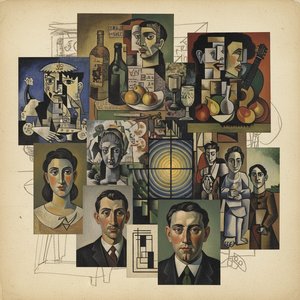
Explore 10 Cubist masterpieces by Picasso, Braque & more! Delve into the history of this revolutionary art movement. Find museum-quality reproductions and elevate your home decor with TopImpressionists. Discover all masterpieces on TopImpressionists.com

キュビスムを代表する10大名作の世界へ。ピカソ、ブラックら巨匠の革新的な技と色彩が織りなす、時代を超越した芸術体験を。TopImpressionists.comで、至高のアートプリントとインテリアアイデアを発見しましょう。

Explore 10 Cubist masterpieces by Picasso, Braque & more! Discover the stories behind these revolutionary paintings and their impact on modern art. Find museum-quality reproductions for your home at TopImpressionists.com – where art comes to life.


最新の美術ニュース、限定オファー、そしてインテリアのアイデアをいち早くお届けします。
お客様のプロジェクトについてお聞かせください。当社の美術専門家が、お客様に合わせた3つのパーソナライズされた芸術提案をご提供いたします。
あなたにぴったりの3作品を無料で厳選いたします


 プレビュー
プレビュー
 シェアする
シェアする シェアする
シェアする
 詳細を見る
詳細を見る

 ダウンロード
 似ている作品
 X線調査
X線調査 スライドショー
 詳細を見る
詳細を見る









 ガラスオプションは、110cm未満のサイズでのみご利用いただけます。


