

迅速な制作と多彩な仕上げオプションを備えた、ミュージアムクオリティのジークレーまたはキャンバスプリント。 ( 手描き画への切り替え 画像に切り替え)





























作品のオリジナル比率に合わせた、当店の規定サイズからお選びください。

特定のフレームやスペースに合わせて、ご自身でサイズを指定することも可能です。選択されたサイズが元の画像の比率と一致しない場合、作品をトリミングするか、鏡面反射または単色での塗りつぶしによって画像を拡張いたします。制作を開始する前に、ご確認用のデジタルモックアップをお送りいたします。
画面上のプレビューには、実際のトリミングや拡張は反映されませんのでご注意ください。最終的な構図を正確に確認できるのは、モックアップのみとなります。
カスタムサイズも承っておりますが、元の比率を維持するためには、あらかじめ用意されたリストからサイズを選択することをお勧めいたします。

sleeping peasants
複製画のサイズ
Pablo Picasso's "Sleeping Peasants" (1919) offers a compelling glimpse into the artist’s exploration of Synthetic Cubism, moving beyond mere representation towards a powerful distillation of form and emotion. This large-scale oil on canvas isn’t simply *about* sleeping figures; it’s an investigation into how we perceive reality, memory, and the enduring connection between humanity and the land.
The painting depicts two peasants resting on the ground, surrounded by a collection of everyday objects – a guitar, bottles, and various implements suggestive of rural labor. However, Picasso doesn’t present this scene realistically. Instead, he fractures the figures and objects into geometric shapes, presenting multiple viewpoints simultaneously. This fragmentation isn't chaotic; it creates a dynamic composition where forms interlock and resonate with one another. The limited color palette, dominated by earthy tones – ochres, browns, and muted greens – reinforces the connection to the soil and the simplicity of peasant life.
“Sleeping Peasants” exemplifies Picasso’s mature Synthetic Cubist style. Emerging around 1912, this phase moved away from the analytical deconstruction of objects towards a rebuilding of form using simplified shapes and collage-like elements (though no actual collage is present here). Notice how Picasso uses planes of color to suggest volume and depth without relying on traditional perspective or shading. The figures aren’t modeled in a realistic way; they *are* the arrangement of planes. This technique emphasizes the two-dimensionality of the canvas while simultaneously creating a sense of spatial ambiguity.
Created in the aftermath of World War I, “Sleeping Peasants” reflects a broader cultural shift towards a desire for order and stability. Following years of upheaval, Picasso began exploring more traditional subjects – portraits, still lifes, and scenes of rural life – while continuing to innovate with Cubist forms. This period (roughly 1918-1925) is often referred to as his “classicizing” phase. The painting can also be seen in relation to Picasso’s lifelong fascination with the works of Old Masters like Poussin and Courbet, whose compositions often featured monumental figures in pastoral settings.
The sleeping peasants themselves are laden with symbolism. Sleep can represent peace, vulnerability, or even death. In this context, their slumber might be interpreted as a metaphor for the resilience of the rural working class, who continue to find moments of rest amidst hardship. The surrounding objects – the guitar suggesting music and community, the bottles hinting at sustenance and celebration – add layers of meaning. The overall effect is one of quiet contemplation and melancholic beauty. Despite the fragmented forms, the painting evokes a powerful sense of human connection to the land and to each other.
“Sleeping Peasants” is more than just a painting; it’s a testament to Picasso's genius and his ability to transform everyday subjects into profound artistic statements. It invites viewers to slow down, contemplate, and connect with the enduring themes of life, loss, and resilience.

1881 - 1973 , スペイン
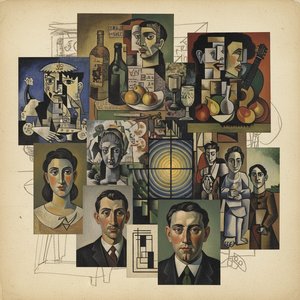
Explore 10 Cubist masterpieces by Picasso, Braque & more! Delve into the history of this revolutionary art movement. Find museum-quality reproductions and elevate your home decor with TopImpressionists. Discover all masterpieces on TopImpressionists.com

キュビスムを代表する10大名作の世界へ。ピカソ、ブラックら巨匠の革新的な技と色彩が織りなす、時代を超越した芸術体験を。TopImpressionists.comで、至高のアートプリントとインテリアアイデアを発見しましょう。

Explore the revolutionary world of Cubism with TopImpressionists. Discover Picasso & Braque's groundbreaking techniques, its philosophical roots, and lasting impact on modern art. Expert insights for collectors.

ジョルジュ・ブラックの傑作25選。キュビスムを代表する画家、その革新的な色彩と技法に迫ります。名画から知られざる逸品まで、美術史に残る作品群をTopImpressionists.comで鑑賞。お部屋を彩るアートプリントも多数ご用意。今すぐオンラインでコレクションをご覧ください。

Explore the revolutionary art of Pablo Picasso with TopImpressionists.com. Discover Cubism's origins, symbolism in his masterpieces & investment insights for collectors. Expert appraisal & custom reproductions available.


最新の美術ニュース、限定オファー、そしてインテリアのアイデアをいち早くお届けします。
お客様のプロジェクトについてお聞かせください。当社の美術専門家が、お客様に合わせた3つのパーソナライズされた芸術提案をご提供いたします。
あなたにぴったりの3作品を無料で厳選いたします

 プレビュー
プレビュー
 シェアする
シェアする シェアする
シェアする
 詳細を見る
詳細を見る

 ダウンロード
 似ている作品
 X線調査
X線調査 スライドショー

 詳細を見る
詳細を見る









 ガラスオプションは、110cm未満のサイズでのみご利用いただけます。


