

 キャンバスにアクリル絵具ウォールアートSurrealism
 1920モダン
 23.0 x 32.0 cm




























作品のオリジナル比率に合わせた、当店の規定サイズからお選びください。

特定のフレームやスペースに合わせて、ご希望のサイズをご入力いただけます。選択されたサイズが元の画像の比率と異なる場合、アートワークをトリミングするか、手描きで要素を追加して絵画を拡張いたします。デジタルモックアップ を制作し、制作開始前にご確認(承認)をいただきます。
画面上のプレビューは、実際のトリミングや拡張を正確に反映しているものではありません。最終的な構図は、モックアップによってのみ正確にご確認いただけます。
カスタムサイズもご利用いただけますが、元の比率を維持するためには、あらかじめ用意されたリストからサイズを選択することをお勧めいたします。

The Abduction
複製画のサイズ
Pablo Picasso's The Abduction, painted in 1920 during his intensely creative and experimental period with Surrealism, is far more than a depiction of a mythological scene; it’s a visceral plunge into the depths of human emotion and primal instinct. This work, rendered in the striking medium of tempera on canvas, immediately commands attention with its distorted forms, fragmented shapes, and an atmosphere thick with tension and barely suppressed violence. It's a painting that refuses easy interpretation, inviting viewers to confront the darker aspects of desire, power, and vulnerability – elements powerfully explored through the narrative of Nessus and Deianeira, figures drawn from Greek mythology.
Picasso’s choice of tempera—a medium known for its matte finish and ability to build rich layers of color—contributes significantly to the painting's unsettling effect. The lack of blending creates a sense of immediacy and rawness, mirroring the chaotic energy of the scene unfolding before us. The figures themselves are rendered with an almost brutal directness; their bodies twisted and contorted in a struggle that seems both desperate and inevitable. Notice how Picasso deliberately simplifies features, reducing them to essential geometric shapes – a technique characteristic of his exploration of Cubism, yet here employed to heighten the emotional impact rather than purely analytical dissection.
The Abduction isn’t simply a retelling of the classic myth; it's Picasso’s interpretation, filtered through his own psychological landscape. The story of Nessus and Deianeira, from Ovid’s *Metamorphoses*, centers on the centaur’s attempt to seduce the nymph Deianeira with a cloak woven from the blood of the monster Typhon. The fatal flaw lies in a poisoned arrow that Nessus carries, intended as a defense against his enemies – an arrow that ultimately leads to both their deaths. Picasso amplifies this tragic element, emphasizing the raw physicality and primal urges at play. The horse in the background, rendered with a stark simplicity, acts as a silent witness to this brutal encounter, perhaps symbolizing the untamed forces of nature or the destructive consequences of unchecked desire.
The painting’s color palette—primarily dominated by blues, greys, and ochres – reinforces the mood of unease and despair. These muted tones create a sense of claustrophobia, drawing the viewer into the scene's immediate drama. The stark contrast between light and shadow further intensifies this effect, highlighting the figures’ contorted forms and amplifying the feeling of struggle. The use of these colors also evokes the emotional intensity of the myth itself – the pain, betrayal, and inevitable doom that permeates the narrative.
To understand The Abduction fully, it’s crucial to recognize Picasso’s ongoing experimentation with various artistic styles. While firmly rooted in Surrealism—evident in its dreamlike quality and exploration of the subconscious—the painting also reveals traces of his earlier Cubist explorations, particularly in the fragmented forms and multiple perspectives. He masterfully blends these influences, creating a visual language that is both unsettlingly modern and deeply resonant with classical themes. This synthesis reflects Picasso’s lifelong commitment to pushing artistic boundaries and challenging conventional ways of seeing the world.
Furthermore, Picasso's exploration of mythological subjects during this period was not merely decorative; it served as a vehicle for examining universal human experiences – love, betrayal, violence, and mortality. The Abduction stands as a testament to his ability to distill these complex themes into a powerfully evocative visual statement. It’s a painting that continues to provoke thought and emotion more than a century after its creation.

1881 - 1973 , スペイン

パブロ・ピカソの至高の25選。キュビズム、ゲルニカなど、時代を揺るがした名画の物語と芸術的魅力に迫ります。リビングやオフィスを彩るインテリアアートにも最適。TopImpressionists.comで高品質なピカソ作品をコレクション。
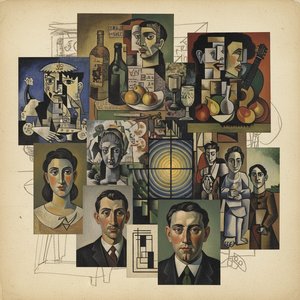
Explore 10 Cubist masterpieces by Picasso, Braque & more! Delve into the history of this revolutionary art movement. Find museum-quality reproductions and elevate your home decor with TopImpressionists. Discover all masterpieces on TopImpressionists.com

Explore 10 revolutionary Cubist portraits by Picasso, Braque & more! Discover the stories behind these iconic paintings and how they shaped modern art. Find museum-quality reproductions to elevate your home decor on TopImpressionists.com.

Explore 10 Cubist masterpieces by Picasso, Braque & more! Discover the stories behind these revolutionary paintings and their impact on modern art. Find museum-quality reproductions for your home at TopImpressionists.com – where art comes to life.

Explore the captivating history of mythological narratives in Western art! From ancient Greece to modern masterpieces, discover iconic artworks & symbolism. Expert analysis and high-quality reproductions at TopImpressionists.


最新の美術ニュース、限定オファー、そしてインテリアのアイデアをいち早くお届けします。
お客様のプロジェクトについてお聞かせください。当社の美術専門家が、お客様に合わせた3つのパーソナライズされた芸術提案をご提供いたします。
あなたにぴったりの3作品を無料で厳選いたします

 Preview
 プリントを購入
 シェアする
シェアする シェアする
シェアする
 詳細を見る
詳細を見る

 ダウンロード
 似ている作品
 X線調査
X線調査 スライドショー
 詳細を見る
詳細を見る









 ガラスオプションは、110cm未満のサイズでのみご利用いただけます。


