































作品のオリジナル比率に合わせた、当店の規定サイズからお選びください。

特定のフレームやスペースに合わせて、ご自身でサイズを指定することも可能です。選択されたサイズが元の画像の比率と一致しない場合、作品をトリミングするか、鏡面反射または単色での塗りつぶしによって画像を拡張いたします。制作を開始する前に、ご確認用のデジタルモックアップをお送りいたします。
画面上のプレビューには、実際のトリミングや拡張は反映されませんのでご注意ください。最終的な構図を正確に確認できるのは、モックアップのみとなります。
カスタムサイズも承っておりますが、元の比率を維持するためには、あらかじめ用意されたリストからサイズを選択することをお勧めいたします。

Untitled (55)
複製画のサイズ
Pablo Picasso's "Untitled (55)," a stark black-and-white lithograph, isn’t merely a depiction of three figures; it’s an immersion into the fractured psyche of a world grappling with violence and loss. Created in 1968, decades after his most famous anti-war statement, Guernica, this work possesses a quiet intensity, radiating a palpable sense of unease that belies its restrained palette. The composition immediately draws the eye to the central figures – a woman, seemingly cradling a child, and a seated man, all rendered in Picasso’s signature angular style. Lines aren't simply delineating forms; they aggressively carve out space, creating a chaotic yet meticulously controlled visual field that mirrors the turmoil within the scene.
The lithographic technique itself is crucial to understanding the artwork’s impact. The dense layering of dots and lines, achieved through painstaking printing processes, generates an almost tactile surface – one that feels rough and uneven beneath your gaze. This textural quality contrasts sharply with the figures' stylized forms, lending a sense of vulnerability and fragility. The flattened perspective, devoid of atmospheric depth or realistic modeling, further contributes to the surreal atmosphere, pulling the viewer into a dreamlike state where conventional spatial relationships dissolve.
Within this seemingly simple arrangement lie layers of potent symbolism. The nude woman and child are immediately evocative, representing innocence threatened by external forces. Picasso’s deliberate distortion of their forms – elongated limbs, fragmented features – suggests a profound sense of psychological distress, hinting at the trauma inflicted upon families caught in conflict. The seated man, dressed formally, embodies authority and perhaps societal constraints; his posture is rigid, almost defensive, creating a visual tension with the vulnerable figures beside him.
Further analysis reveals subtle clues. The fragmented nature of the composition mirrors the shattered state of war-torn societies. The absence of color amplifies the emotional weight, forcing the viewer to confront the stark reality of suffering without distraction. The overall impression is one of alienation and isolation – a poignant reflection on the human condition in times of crisis.
To fully appreciate “Untitled (55),” it's essential to understand its historical context. Created nearly forty years after the creation of *Guernica*, this work can be seen as a revisiting of themes central to Picasso’s oeuvre – particularly his engagement with political and social issues. The shadow of the Spanish Civil War, which profoundly impacted Picasso’s life and artistic vision, undoubtedly informs the artwork's somber mood. The late 1960s were a period of immense global upheaval, marked by the Vietnam War and growing civil unrest; Picasso’s work during this time often reflected these anxieties.
Interestingly, this piece shares stylistic affinities with Picasso’s earlier Surrealist explorations, particularly his collaboration with Dora Maar. The deliberate distortion of form, combined with a focus on emotional expression, aligns it with the core tenets of the movement. However, unlike many Surrealist works that embrace dreamlike imagery, “Untitled (55)” maintains a grounded sense of realism within its stylized representation.
Reproductions of "Untitled (55)" offer an accessible way to engage with Picasso's powerful vision. When selecting a print, consider the quality of the reproduction – a high-resolution giclée will faithfully capture the nuances of the lithographic technique and preserve the artwork’s textural depth. This piece is not simply a decorative object; it’s a window into a turbulent era and a testament to Picasso's enduring ability to convey profound human emotions through art.

1881 - 1973 , スペイン
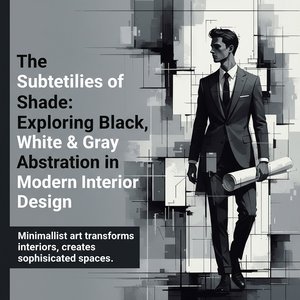
ホテルデザインに最適な黒、白、グレーの抽象画選びをサポート。色彩心理学に基づいた空間演出から、TopImpressionists.comのカスタムアートまで、専門家が洗練されたインテリアを実現します。

カジミール・マレーヴィチの至高の25選。シュプレマティズムを代表する「ブラックスクエア」をはじめ、抽象芸術の革命的作品群を紐解きます。ロシア構成主義からミニマリズムまで、美術史に輝く傑作をTopImpressionists.comで。高品質なアートプリントとホームデコレーションの世界へ。今すぐコレクションをご覧ください。

Explore the captivating world of monochrome art! Discover its rich history, influential artists like Malevich & Klein, and profound emotional impact. Expert insights for collectors & design enthusiasts.

Delve into the power of 'Mars Black' with 10 iconic paintings by masters like Rembrandt & Caravaggio. Explore dramatic chiaroscuro, gothic art, and timeless beauty. Find museum-quality reproductions & elevate your home decor on .

パブロ・ピカソの至高の25選。キュビズム、ゲルニカなど、時代を揺るがした名画の物語と芸術的魅力に迫ります。リビングやオフィスを彩るインテリアアートにも最適。TopImpressionists.comで高品質なピカソ作品をコレクション。


最新の美術ニュース、限定オファー、そしてインテリアのアイデアをいち早くお届けします。
お客様のプロジェクトについてお聞かせください。当社の美術専門家が、お客様に合わせた3つのパーソナライズされた芸術提案をご提供いたします。
あなたにぴったりの3作品を無料で厳選いたします
 Preview
 手描き複製画を注文する
 シェアする
シェアする シェアする
シェアする
 詳細を見る
詳細を見る

 ダウンロード
 似ている作品
 X線調査
X線調査 スライドショー

 詳細を見る
詳細を見る









 ガラスオプションは、110cm未満のサイズでのみご利用いただけます。


