作品詳細説明
A Moment Frozen in Time: Decoding Picasso’s “Untitled” (D2X2HG)
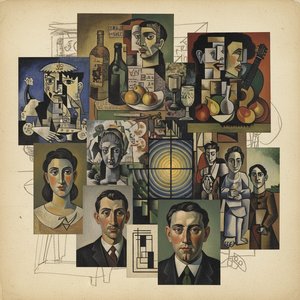
The painting, tentatively titled "Untitled," created by Pablo Picasso in 1903, stands as a pivotal work within the artist's formative years—a testament to his burgeoning exploration of form and emotion. Captured on canvas measuring 70 x 56 cm, this intimate scene depicts two figures intertwined in bed, an image that transcends mere representation and delves into the complexities of human desire and vulnerability. It’s a piece that continues to fascinate scholars and collectors alike, prompting ongoing discussions about Picasso's stylistic evolution and his masterful manipulation of visual language.
The Style: Proto-Cubism – A Bold Departure
Picasso’s “Untitled” firmly establishes him as a pioneer of Proto-Cubism, marking a significant break from the academic traditions prevalent at the time. Unlike the polished surfaces and meticulous detail favored by earlier artists, Picasso employs fractured planes and geometric distortions to convey his subject matter. This stylistic choice isn't simply about visual novelty; it’s a deliberate attempt to dismantle conventional perspective and challenge viewers’ perceptions of reality. The artist dismantles traditional representation, prioritizing expressive gesture over accurate depiction—a characteristic that would become synonymous with Cubism itself. Notice how the bed dominates the composition, rendered as a series of interlocking planes that disrupt linear space. This fragmentation mirrors the psychological tension inherent in the depicted intimacy.
Technique: Oil Paint on Canvas – Precision Meets Impressionistic Influence
Despite its revolutionary style, Picasso’s technique remains rooted in traditional oil painting methods. He utilizes thick impasto—applying paint thickly onto the canvas—creating textural surfaces that amplify the emotional impact of the artwork. However, unlike many artists of his era who adhered strictly to academic conventions, Picasso incorporates elements of Impressionism, particularly evident in the subtle tonal variations and diffused light effects used to illuminate the scene. This blending of styles underscores Picasso’s intellectual curiosity and his willingness to experiment with innovative approaches while retaining a grounding in established artistic traditions. The careful layering of paint contributes to the overall sense of depth and atmosphere—a crucial element in conveying the unspoken emotions simmering beneath the surface.
Historical Context: Artistic Avant-Garde and Shifting Sensibilities
“Untitled” emerged during a period of intense artistic experimentation, coinciding with Picasso’s relocation to Barcelona and his growing engagement with avant-garde movements. The painting reflects the broader cultural anxieties surrounding sexuality and identity prevalent in Europe at the time—themes that would become central to Picasso's oeuvre throughout his career. Furthermore, it anticipates the formal breakthroughs of Cubism, which would revolutionize art history in subsequent decades. Consider the societal pressures faced by artists striving for originality amidst established artistic hierarchies; Picasso’s bold stylistic choices represent a defiant assertion of creative freedom and an unwavering commitment to pushing boundaries.
Symbolism: Intimacy, Desire, and Fragmented Perception
Beyond its formal innovations, “Untitled” is laden with symbolic significance. The bed itself serves as a metaphor for vulnerability and intimacy—a space where desires are both expressed and concealed. The man’s gesture of placing his hand on the woman's face symbolizes dominance and control, yet simultaneously conveys tenderness and affection. The clock on the wall adds another layer of complexity, representing time passing and highlighting the fleeting nature of human experience. Picasso skillfully employs these visual cues to evoke a profound emotional response in the viewer—a feeling of unease mingled with fascination as we contemplate the fragmented reality presented before us.