


 設置イメージを確認
 送る
送る シェア
シェア
 詳細情報
詳細情報 ガイドを表示

 画像をダウンロード
 似ている作品
 X線調査
X線調査 スライドショー
 Q&A
Q&A 統計情報
統計情報The Grammar


 続きを読む
続きを読む
ウェブ上のプレビューを遥かに凌駕する、印刷に最適なファイルをご提供します。当サイトで販売しているすべてのデジタル画像は、弊社のデータベース内にある高解像度のマスターデータ(通常、幅5,000〜15,000ピクセル)から作成されています。そのため、大判印刷やタイトなクロップ、細部まで緻密な再現も、安心してお楽しみいただけます。
当スタジオから送り出される画像は、すべて丁寧に加工されています。デジタルエキスパートが原画と照らし合わせて色調を精査し、必要に応じて補正を行った上で、プロ仕様のリタッチツールを用いて鮮明さと細部を向上させます。その際、アーティストの筆致やスタイルに忠実であることを常に追求しています。その結果、単なるスキャン画像にフィルターをかけたようなものではなく、まるで本物の絵画を見ているかのような仕上がりを実現しています。
仕上がりをご確認いただいてから完了となります。専門スタッフが、ご確認用の画像を72時間以内にメールでお送りいたします。もしご満足いただけない場合は、修正や改善のご要望を承るほか、品質が基準に満たない場合には返金も可能です。
出版社、デザインスタジオ、ギャラリー、そして印刷所から信頼される品質です。
デジタル画像
個人での鑑賞、印刷、クリエイティブなプロジェクトにご利用いただける高解像度ファイルをダウンロードできます。 ( プリント版に切り替え 手描きの複製画を注文する)
デジタル画像のご注文に付随する特典
プロフェッショナルなデジタル配信を、確かな品質で。
TopImpressionists.com を選ぶことは、単に画像を手に入れることではありません。プロの手によって精密に仕上げられ、満足保証が付いた高品質なデジタルアートワークを受け取ることを意味します。ご注文いただいた際に自動的に付随する内容は、以下の通りです:

メールですぐにお届け
ご注文から72時間以内に、高解像度のデジタル画像ファイルをメールでお送りいたします。お手元に届き次第、すぐにご利用いただけます。

AI技術で最適化されたデジタルファイル
お客様の作品は、高度なAI技術と専門家による手作業を組み合わせてプロフェッショナルに最適化されており、細部のディテール、鮮明さ、そして正確な色再現性を最大限に引き出しています。

一生涯無料の再送サービス
ファイルを誤って削除したり、紛失してしまったりしましたか?ご安心ください。いつでも無料で再送いたします。

輸入手数料は、いつでも一切かかりません
関税や手数料、配送料を気にすることなく、お気に入りのアートワークをすぐにお楽しみいただけます。デジタルダウンロードは常に免税です。

正確な色彩の保証
プロ仕様のツールとカラーマネジメント技術を用いることで、デジタル画像が元の色を最大限に忠実に再現することを保証いたします。

100日間満足保証
ご購入いただいたデジタル画像にご満足いただけない場合は、100日以内であれば、理由を問わず修正または100%の返金対応をさせていただきます。

100% 返金保証
ご満足いただけない場合は、デジタルファイルを受け取ってから100日以内であれば、理由を問わず全額返金いたします。

まとめ買い割引
3枚購入で10%OFF、5枚購入で15%OFF、10枚以上のご購入で20%OFF。クリエイティブなプロジェクトやギャラリー、エージェンシーに最適です。
The Grammar: A Pioneering Exploration of Abstraction
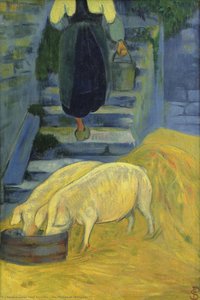
Paul Sérusier’s “Grammar,” painted in 1892, stands as a pivotal work not just within the artist's oeuvre but also as a foundational piece in the development of modern art. More than simply a portrait, it’s an intensely personal and experimental exploration of color, form, and the very nature of representation – a bold step towards abstraction that profoundly influenced generations of artists to come. The painting depicts a woman seated on the ground, absorbed in reading a book, a scene rendered with remarkable intimacy and a deliberate departure from traditional academic styles.
Sérusier’s artistic journey was deeply intertwined with the burgeoning Nabis movement, a group of Symbolist painters who sought to move beyond mere imitation of nature towards expressing inner emotions and spiritual truths. He initially studied at the Académie Julian, but it was his summer sojourn in Pont-Aven, Brittany, that proved transformative. There, under the tutelage of Paul Gauguin – a figure whose influence extended far beyond technique – Sérusier encountered the revolutionary approach of Cloisonnism, championed by Gauguin himself. This style, characterized by sharply defined outlines and areas of flat color applied in small, separate strokes, aimed to mimic the appearance of stained glass, creating a sense of luminous clarity and symbolic resonance.
Cloisonnism and the Language of Color
“Grammar” exemplifies this Cloisonnism technique with striking precision. The woman’s figure is not rendered through subtle gradations of tone but rather defined by bold, distinct outlines – a deliberate simplification that prioritizes color and form over meticulous detail. Sérusier employs a vibrant palette, dominated by deep blues, greens, and ochres, creating an atmosphere both serene and slightly melancholic. The colors aren’t blended; instead, they are applied in small, separate strokes, building up layers of hue and texture. This technique, combined with the flattened perspective, creates a sense of immediacy and directness, as if the painting is capturing a fleeting moment of contemplation.
Crucially, Sérusier’s use of color isn't merely descriptive; it carries symbolic weight. The blues evoke a sense of introspection and mystery, while the greens suggest connection to nature – a key theme in Symbolist art. The muted ochres contribute to the painting’s overall feeling of quietude and contemplation. The deliberate choice of colors, rather than realistic representation, is central to the work's expressive power.
A Study in Form and Abstraction
Beyond its technical mastery, “Grammar” represents a significant shift towards abstraction. While not entirely devoid of recognizable forms – the woman’s figure, the book, the surrounding objects – the painting prioritizes the exploration of color and form over strict representation. The simplified shapes, flattened perspective, and emphasis on pure color anticipate later developments in abstract art, foreshadowing the work of artists like Kandinsky and Mondrian. It's a deliberate move away from photographic realism towards a more subjective and expressive approach to visual language.
The painting’s title, “Grammar,” is particularly intriguing. It suggests that Sérusier was not simply depicting a scene but rather exploring the fundamental building blocks of artistic expression – the elements of color, line, and form – in a way that transcends traditional representation. The book itself becomes a symbol of knowledge and contemplation, inviting the viewer to engage with the painting on a deeper level.
Legacy and Inspiration
“Grammar” remains a vital work in the history of modern art, demonstrating Sérusier’s pioneering spirit and his profound influence on subsequent generations. It's a testament to the power of abstraction to convey emotion, ideas, and spiritual truths. Reproductions of this evocative painting continue to inspire artists and collectors alike, offering a glimpse into the heart of artistic innovation and the enduring quest for new forms of visual expression.
よくあるご質問
拡張現実(AR)を使って、自分の部屋にポール・セルスィエ作「The Grammar」を配置して見ることはできますか?
対応するデバイスの拡張現実(AR)機能を使用し、作品のARプレビューページから、ご自身の壁にポール・セルスィエ作「The Grammar」をプレビュー表示することができます。
「The Grammar」のスタイルは、作者の時代背景とどのように関わっていますか?
ポール・セルスィエ作「The Grammar」は、作者の19世紀という時代における、Cloisonnism / Nabisのムーブメントに位置づけられます。
ポール・セルスィエ作「The Grammar」の彩度や色の強さはどのような感じでしょうか?
「The Grammar」の色は、彩度がMuted、強度がMonochromaticです。
関連作品




アーティスト・プロフィール
生い立ちと教育
ポール・セルスリエは、1864年11月9日、パリに生まれました。幼少期から絵画への強い情熱を抱き、アカデミー・ジュリアンに入学し、そこで才能を開花させます。しかし、伝統的なアカデミーの教育だけでは満たされず、より革新的な表現を模索するようになります。セルスリエは、美術教師としての活動も始め、その中で自身の芸術的ビジョンを深めていきました。この時期から、後のナビ派や抽象絵画の先駆者となる独自のスタイルを築き始める兆しが見え隠れします。ポン=アヴェンでの出会いと「タリスマン」
1888年の夏、セルスリエはポール・ゴーギャンの存在に導かれるように、ブルターニュ地方の小さな村ポン=アヴェンへと旅立ちます。この地で、彼はゴーギャンを中心とした画家グループに参加し、その指導のもとで画風を大きく変貌させることになります。特に重要なのが、「タリスマン」という作品です。これは、セルスリエがクロワゾニズム(cloisonnism)の技法を用いて描いたもので、純粋な抽象表現に限りなく近い絵画として、美術史において非常に重要な位置を占めています。ゴーギャンの影響を受けながらも、セルスリエは独自の色彩感覚と構図によって、従来の写実的な絵画とは一線を画す作品を生み出しました。この「タリスマン」は、単なる絵画というよりも、画家自身の内面世界を表現した象徴的な存在として捉えられています。ナビ派における活動と芸術的探求
セルスリエは、ポスト印象派の画家グループであるナビ派(Les Nabis)にも参加します。ピエール・ボナール、エドゥアール・ヴュイヤール、モーリス・ドニといった同世代の画家たちと共に、従来の美術の枠にとらわれない自由な表現を追求しました。ナビ派は、「預言者」という意味を持つ言葉に象徴されるように、絵画を通して神秘的な世界や精神性を表現しようと試みました。セルスリエは、ナビ派の中で、色彩や形態の実験的な探求を積極的に行い、装飾性豊かな作品を数多く制作しました。彼の作品は、単なる視覚的な美しさだけでなく、画家自身の思想や感情が込められた深遠なメッセージを含んでいます。晩年の教育活動と「絵画のABC」
セルスリエは、晩年になるとアカデミー・ランソンで教鞭を執り、後進の育成にも力を注ぎました。彼は、自身の芸術的経験や思想を若い世代に伝え、彼らの才能を開花させるために尽力しました。また、1921年には「絵画のABC(ABC de la peinture)」という著書を出版し、自身の絵画理論を展開します。この本の中で、セルスリエは、色彩や形態の重要性、画家自身の内面世界を表現することの大切さを説いています。彼は、絵画を単なる技術的な技能としてではなく、精神的な探求の手段として捉え、その思想は多くの画家たちに影響を与えました。1927年10月7日、セルスリエはモルライクスで生涯を閉じましたが、彼の芸術的遺産は、現代美術にも大きな足跡を残し続けています。クロワゾニズムとナビ派への影響
セルスリエの作品は、クロワゾニズムという技法によって特徴づけられます。これは、大胆で平坦な形態を暗い輪郭線で区切ることで、絵画に独特の装飾性と象徴性を与える表現方法です。この技法は、19世紀末に登場し、現代美術の発展に大きな影響を与えました。セルスリエは、クロワゾニズムを通して、従来の写実的な絵画から脱却し、画家自身の内面世界を表現することに成功しました。また、ナビ派の画家たちも、セルスリエの影響を受けながら、色彩や形態の実験的な探求を行い、独自のスタイルを確立していきました。セルスリエは、抽象絵画の先駆者としてだけでなく、ナビ派の発展にも大きく貢献した重要な画家と言えるでしょう。彼の作品は、現代美術における表現の自由と多様性を追求する精神を象徴するものとして、今後も多くの人々に愛され続けることでしょう。
ポール・セルスィエ
1864 - 1927 , フランス
略歴
- Artistic Movement Or Style: ポスト印象派
- Artists Or Movements Influenced By This Artist: ['ナビ派']
- Artists Who Influenced This Artist: ['ポール・ゴーギャン']
- Date Of Birth: 1864年11月9日
- Date Of Death: 1927年10月7日
- Full Name: ルイ=ポール=アンリ・セリュシエ
- Nationality: フランス人
- Notable Artworks (List Of Titles):
- 「タリスマン」
- 「逆雨」
- Place Of Birth (City And Country): フランス、パリ