


 設置イメージを確認
 送る
送る シェア
シェア
 詳細情報
詳細情報 ガイドを表示

 画像をダウンロード
 似ている作品
 X線調査
X線調査 スライドショー
 統計情報
統計情報Still life


A vibrant Baroque masterpiece by Peter Binoit featuring a lush arrangement of fruits, flowers, and fine porcelain that captures the exquisite detail of 1618 German still life painting, perfect for your private collection.
 続きを読む
続きを読む
Peter Binoit (c. 1590-1632) was a German Baroque still life painter known for detailed floral arrangements, game pieces & 'pronkstillevens'. Explore his works from Frankfurt & Cologne.
手描き油彩複製画
当社のアーティストが、お客様のご希望のサイズと額縁に合わせて、キャンバスに手描きで制作する油彩画です。 ( プリント版に切り替え デジタル画像販売へ切り替え)




P118B ¥10

P118H ¥10

P118W ¥10

P438Z ¥10

P508JH ¥12

P508YH ¥12

P805H ¥10

P805Z ¥10

P919BZ ¥10

P919G ¥10

P919XJ ¥10

P959ZH ¥10

P968JZ ¥12

W106C ¥8

W218G ¥10

W218JH ¥8

W218Y ¥10

W307PJ ¥10

W316G ¥10

W316PJ ¥8

W316Y ¥10

W398PJ ¥8

W4111J ¥10

W500HY ¥15

W500JH ¥15

W692G ¥12

W849H ¥8

W940BG ¥15

W953PJ ¥8




標準サイズ
カスタムサイズ
CM
INCH
作品のオリジナル比率に合わせた、当店の規定サイズからお選びください。
Loading sizes...

横幅
高さ
フレームや壁のスペースに合わせて、ご希望の幅と高さを入力してください。本作品は手描きのため、異なる比率のサイズをご希望の場合、絵画の周囲を少し広げて描くか、あるいは端を少しカットして調整することが可能です。お客様のご要望に合わせます。制作を開始する前に、仕上がりを確認するためのデジタルモックアップをお送りいたします。このページに表示されている画像は完成品の実物ではなく、あくまでモックアップによるイメージです。
カスタマイズの例:顔をお客様の写真に置き換える、ペットを追加する(例:猫を犬に変更)、背景に隠れたメッセージを入れる、背景の風景や要素を変更するなど。
ご注文後、TopImpressionists.com チームより詳細な指示をお送りするとともに、仕上がりイメージ(モックアップ)をご提供いたします。
ご注文後、TopImpressionists.com チームより詳細な指示をお送りするとともに、仕上がりイメージ(モックアップ)をご提供いたします。


 ガラスオプションは、110cm未満のサイズでのみご利用いただけます。

Still life
再現技法
複製画サイズ一覧
-


合計金額
¥ 42536
A Symphony of Abundance: The Baroque Mastery of Peter Binoit
In the quiet, meticulous world of seventeenth-century German Baroque painting, few artists captured the fleeting essence of life with as much delicate precision as Peter Binoit. His 1618 masterpiece, a breathtaking still life executed on copper, serves as a window into an era defined by both scientific curiosity and profound spiritual reflection. As one observes this composition, one is immediately drawn into a lush, sensory experience where the boundaries between reality and art dissolve. The painting presents a sumptuous arrangement of nature’s finest offerings: ripe apples, sun-kissed oranges, deep purple plums, and succulent cherries, all nestled within a bountiful bowl. This is not merely a display of food, but a carefully choreographed dance of color, texture, and light that speaks to the very heart of the pronkstillevens tradition.
The technique employed by Binoit is nothing short of extraordinary. By utilizing a copper support, the artist achieved a luminous, jewel-like clarity that oil on canvas often struggles to replicate. This smooth, non-porous surface allowed his brush to glide with unparalleled precision, capturing the translucent skin of a grape, the velvety fuzz of a peach, and the reflective glint of a blue and white Chinese porcelain bowl. The interplay of light—a hallmark of the Baroque period—creates a sense of three-dimensional volume, making each piece of fruit appear almost tactile, as if one could reach out and pluck a cherry from the arrangement. His ability to render the subtle gradients of shadow and the sharp highlights on glassware demonstrates a level of virtuosity that continues to captivate collectors and connoisseurs today.
Symbolism and the Vanitas Tradition
Beyond its surface beauty, Binoit’s work is steeped in the complex symbolic language of the seventeenth century. To the contemporary viewer, this arrangement might appear as a simple celebration of harvest, yet to a person of the 1600s, every element carried a weight of meaning. The presence of insects amidst the ripening fruit serves as a poignant memento mori—a gentle reminder of the inevable passage of time and the transient nature of earthly delights. As the fruit matures, it moves toward decay, mirroring the human condition. This tension between the vibrant, life-affirming colors of the flowers and the subtle presence of mortality creates an emotional depth that elevates the painting from a mere decorative object to a profound philosophical meditation.
For the modern interior designer or art enthusiast, this piece offers a unique opportunity to introduce a sense of historical grandeur and intellectual depth into a space. A high-quality reproduction of this work does more than decorate a wall; it anchors a room with a sense of timelessness and quiet sophistication. Whether placed in a sunlit breakfast nook to highlight its vibrant tones or in a formal study to complement its scholarly undertones, Binoit’s still life invites contemplation. It is an invitation to slow down, to appreciate the intricate details of the natural world, and to find beauty in the ephemeral moments of existence.
よくあるご質問
「Still life」全体の明るさはどの程度ですか?
Peter Binoit作「Still life」の視覚的な明るさはshadowです。設置する空間の光の加減に合わせて調整することが可能です。
Peter Binoit作「Still life」の色彩の彩度はどの程度ですか?
「Still life」のパレットは、彩度がBalanced Softです。
Peter Binoitによる「Still life」はパブリックドメインに含まれますか?また、その理由は何ですか?
「Still life」の著作権の状態について — パブリックドメイン(著作権消滅) — は、作者の没年である1632に基づいています。
アーティストについて
Peter Binoit: A Quiet Master of Baroque Still Life
Peter Binoit (c. 1590 – 1632) was a German Baroque painter who emerged from Cologne during the formative years of the seventeenth century, leaving an indelible mark on the visual arts landscape of Frankfurt and its surrounding region. Primarily recognized for his meticulous depictions of floral arrangements and game scenes—often termed ‘pronkstillevens’—Binoit's oeuvre reflects a profound sensitivity to detail and a masterful command of technique that distinguishes him from many of his contemporaries. While biographical information remains somewhat sparse, scholarly research suggests he was born in Cologne around 1590, though precise birthdate records are elusive.- Early Life & Training: Little is known about Binoit’s formative years beyond confirmation that he trained under Johann Georg Schäffer, a prominent Frankfurt painter who championed the stylistic innovations of the Baroque era. Schäffer instilled in Binoit a dedication to observation and an appreciation for capturing fleeting moments with remarkable accuracy—principles that would characterize his artistic practice throughout his career.
- Frankfurt & Cologne Activity (1613-1631): Binoit established himself as a resident artist in Frankfurt, where he cultivated relationships with influential patrons and actively participated in the vibrant artistic milieu of the city. Simultaneously, he undertook commissions in Cologne, demonstrating versatility and adapting his style to diverse contexts. During this period, he produced numerous still lifes showcasing exquisite floral compositions alongside depictions of hunted animals—a stylistic hallmark that aligns closely with prevailing trends in Baroque art.
Stylistic Characteristics & Influences
Binoit’s artistic vision was deeply rooted in the traditions of German Renaissance painting, yet he embraced the expressive dynamism and dramatic chiaroscuro favored by Baroque masters like Rubens and Rembrandt. His meticulous attention to detail—evident in the rendering of textures, colors, and subtle nuances of light—is particularly noteworthy. He skillfully employed ‘pronkstillevens,’ a technique emphasizing compositional complexity and incorporating elements of illusionistic perspective to heighten visual impact. The influence of Caravaggio’s dramatic use of tenebrism can be discerned in Binoit's compositions, contributing to their atmospheric depth and emotional resonance.- Floral Still Lifes: Binoit excelled at portraying flowers with unparalleled realism—capturing their delicate petals, vibrant hues, and subtle variations in form. His floral paintings frequently incorporate symbolic references reflecting humanist ideals of beauty and contemplation.
- Game Still Lifes: Alongside botanical subjects, Binoit produced captivating depictions of hunted animals—often featuring birds or deer—executed with meticulous anatomical precision and imbued with a palpable sense of movement. These works demonstrate his ability to convey both scientific observation and artistic emotion simultaneously.
Notable Works & Recognition
Two surviving paintings bearing Binoit’s monogram and date – one depicting tulips and the other iris – are housed in the Hessisches Landesmuseum Darmstadt, offering invaluable insights into his artistic style and compositional preferences. Furthermore, a monumental still life featuring dead birds—a basket brimming with plumage—is held by Skokloster Castle in Stockholm County, Sweden; its detailed depiction of avian specimens exemplifies Binoit’s commitment to scientific accuracy alongside aesthetic excellence. Fragments of his oeuvre reside within St Peter's College and are recognized as important pieces of British Landscape Art.Legacy & Historical Significance
Peter Binoit’s contribution to Baroque painting resides not merely in the sheer beauty of his artworks but also in their embodiment of humanist ideals—particularly the pursuit of knowledge and appreciation for nature's splendor. His meticulous technique, combined with his stylistic innovations—such as ‘pronkstillevens’—established him as a pivotal figure within Frankfurt’s artistic community and cemented his reputation as one of Germany’s foremost still life painters of his era. Despite the brevity of his career, Binoit’s legacy continues to inspire admiration for his unwavering dedication to artistic excellence and his profound understanding of visual representation.
Peter Binoit
1632 , Germany
アーティスト情報
- Full Name: Peter Binoit
- Nationality: German
- Date Of Birth: c. 1590
- Date Of Death: 1632
- Place Of Birth: Cologne, Germany
- Notable Artworks:
- Still Life with Tulips
- Still Life with Iris
- Artistic Movement Or Style: Baroque
関連記事

Nature's Bounty: The Art History of Fruit Arrangement Masterpieces and the Baroque Still Life Tradition
Explore the profound beauty of fruit arrangement masterpieces. From Dutch Golden Age opulence to Baroque chiaroscuro, discover the art history, symbolism, and timeless elegance of classical still life paintings for the discerning collector.
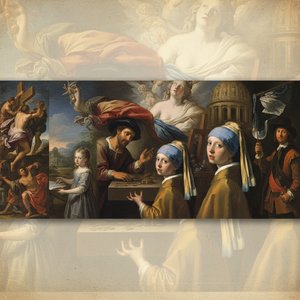
バロック美術を極めた至宝:時代を彩る10大名作の世界
バロック美術の華!カラヴァッジョ、ベルニーニら巨匠が創り上げた10大名作を徹底解剖。ドラマチックな色彩と豪華絢爛の世界観に触れ、至宝のアートプリントで空間を彩ろう。TopImpressionists.comで美術館品質の複製と洗練されたインテリアを見つけましょう!

The Bountiful Still Life: Symbolism & Artistic Representation of Fruit Across Art History
Explore the rich history of still life painting & the symbolism of fruit across art movements. Discover masterpieces from Caravaggio to Cézanne with TopImpressionists – expert guidance & museum-quality reproductions.

The Enduring Appeal of Still Life: A Historical & Contemporary Exploration
Explore the rich history & symbolism of still life painting with TopImpressionists. Discover masterpieces from the Dutch Golden Age, learn about vanitas art, and find expert guidance for collecting timeless artworks.

Silent Narratives: Exploring the Enduring Appeal of Still Life Painting Across Centuries
Explore the rich history of still life painting with TopImpressionists. Discover Dutch Masters, decode vanitas symbolism & learn about collecting timeless art. Expert insights and museum-quality reproductions.