


 設置イメージを確認
 送る
送る シェア
シェア
 詳細情報
詳細情報 ガイドを表示

 画像をダウンロード
 似ている作品
 X線調査
X線調査 スライドショー
 統計情報
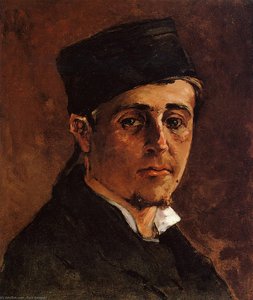
統計情報Self Portrait
 Acrylic On Canvas
- WallArt
- British Impressionism
 1920
1920 74.0 x 59.0 cm
 Fitzwilliam College
Philip Wilson Steer's "The President Woodrow Wilson House" captures a contemplative man in a suit, showcasing his signature Impressionistic style and masterful use of light & shadow. Explore this evocative portrait.
 続きを読む
続きを読む
フィリップ・ウィルソン・スティアー(1860-1942)は、光の表現に優れた英国印象派を代表する画家です。マネやホイッスラーの影響を受け、海岸風景や田園風景を描き、タテ美術館やウフィツィ美術館にも作品が収蔵されています。
ジークレー/アートプリント
スピーディーな制作と多彩な仕上げオプションが魅力の、ミュージアムクオリティなジークレー・キャンバスプリント。 ( 手描きの複製画を注文する デジタル画像販売へ切り替え)




P118B ¥10

P118H ¥10

P118W ¥10

P438Z ¥10

P508JH ¥12

P508YH ¥12

P805H ¥10

P805Z ¥10

P919BZ ¥10

P919G ¥10

P919XJ ¥10

P959ZH ¥10

P968JZ ¥12

W106C ¥8

W218G ¥10

W218JH ¥8

W218Y ¥10

W307PJ ¥10

W316G ¥10

W316PJ ¥8

W316Y ¥10

W398PJ ¥8

W4111J ¥10

W500HY ¥15

W500JH ¥15

W692G ¥12

W849H ¥8

W940BG ¥15

W953PJ ¥8




標準サイズ
カスタムサイズ
CM
INCH
作品のオリジナル比率に合わせた、当店の規定サイズからお選びください。
Loading sizes...

横幅
高さ
特定のフレームやスペースに合わせて、ご自身でサイズを指定することも可能です。選択されたサイズが元の画像の比率と一致しない場合、作品をトリミングするか、鏡面反射または単色での塗りつぶしによって画像を拡張いたします。制作を開始する前に、ご確認用のデジタルモックアップをお送りいたします。
画面上のプレビューには、実際のトリミングや拡張は反映されませんのでご注意ください。最終的な構図を正確に確認できるのは、モックアップのみとなります。
カスタムサイズも承っておりますが、元の比率を維持するためには、あらかじめ用意されたリストからサイズを選択することをお勧めいたします。


 ガラスオプションは、110cm未満のサイズでのみご利用いただけます。

Self Portrait
ジークレー/アートプリント
複製画サイズ一覧
-


合計金額
¥ 10616
A Portrait of Quiet Intensity: Philip Wilson Steer’s “The President Woodrow Wilson House”
Philip Wilson Steer's "The President Woodrow Wilson House," painted in 1920, isn’t merely a depiction of a building; it’s a carefully constructed tableau brimming with subtle symbolism and imbued with the melancholic beauty characteristic of the artist. This oil-on-canvas work, measuring 74 x 59 cm, transports us to a moment suspended between formality and introspection – a visual poem reflecting on leadership, memory, and the quiet dignity of American history. Steer, a pivotal figure in British Impressionism, masterfully employs a muted palette dominated by greys, blues, and browns, creating an atmosphere of subdued light and contemplative stillness. The composition itself is deliberately restrained, focusing intently on the imposing façade of the Wilson House in Washington D.C., rendered with a remarkable sensitivity to texture and light.
The Impressionist’s Lens: Technique and Style
Steer's approach aligns closely with the tenets of Impressionism, yet he transcends simple replication. He doesn’t strive for photographic accuracy but rather captures an *impression* – a fleeting moment imbued with feeling. Notice how he utilizes broken brushstrokes to suggest the play of light on the stone walls and the subtle shifts in shadow. The artist's layering technique is particularly evident in the rendering of the building’s surface, where individual strokes coalesce to create a sense of depth and volume. Steer was deeply influenced by John Constable and J.M.W. Turner, artists known for their atmospheric landscapes and masterful use of light and color. This influence is palpable in Steer's ability to evoke a specific mood through his manipulation of tone and texture – a feeling of quiet contemplation and perhaps even a touch of wistful nostalgia.
Symbolism Within the Frame: Leadership and Reflection
The choice of subject matter—the Wilson House—is rich in symbolic potential. Woodrow Wilson, the 28th President of the United States, was a complex figure – lauded for his leadership during World War I but also criticized for his handling of racial issues at home. Steer’s painting doesn't offer a straightforward portrait of Wilson himself, instead focusing on the building that housed him and, by extension, representing the weight of responsibility and the enduring legacy of power. The muted colors and the solitary nature of the scene suggest a reflection on leadership itself – its burdens, its triumphs, and its inevitable passage of time. The composition’s stillness invites viewers to contemplate the unseen narratives contained within those walls.
A Legacy of Light: Steer's Influence and Artistic Context
Philip Wilson Steer was a significant figure in British art, bridging the gap between Impressionism and a more traditional English style. His work gained recognition during his time as a painting tutor at the Slade School of Fine Art, where he profoundly influenced generations of young artists. His exploration of coastal scenes, particularly those along the Suffolk coast, cemented his reputation for capturing the ethereal beauty of the British landscape. “The President Woodrow Wilson House” stands as a testament to Steer’s ability to imbue seemingly simple subjects with profound emotional resonance. It's a poignant reminder that even in grand architectural settings, moments of quiet contemplation and subtle symbolism can hold immense artistic value. Reproductions of this piece offer a captivating glimpse into the artist’s world and invite viewers to engage with the complexities of American history through the lens of Impressionist artistry.
よくあるご質問
「Self Portrait」(1920)は、フィリップ・ウィルソン・スティアーのキャリアにおけるどの時期の作品にあたりますか?
1920年という制作時期は、フィリップ・ウィルソン・スティアーの画業におけるLate Periodに「Self Portrait」を位置づけています。
フィリップ・ウィルソン・スティアーは何歳の時に「Self Portrait」を制作しましたか?
1920年に「Self Portrait」が制作された際、1860年生まれのフィリップ・ウィルソン・スティアーは60歳でした。
フィリップ・ウィルソン・スティアー作「Self Portrait」を特徴づける技法やスタイルは何ですか?
「Self Portrait」は、British Impressionism様式によるAcrylic On Canvasで制作されています。
フィリップ・ウィルソン・スティアー作「Self Portrait」は、British Impressionismにおいてどのような情緒を表現していますか?
「Self Portrait」のBritish Impressionism様式には、Reflectiveな感情が添えられています。
フィリップ・ウィルソン・スティアー作「Self Portrait」は、何年に制作されましたか?
フィリップ・ウィルソン・スティアー作「Self Portrait」は1920年に制作されました。
「Self Portrait」は、どのアーティストの作品とされていますか?
「Self Portrait」を手がけたアーティストはフィリップ・ウィルソン・スティアーです。この作品はフィリップ・ウィルソン・スティアーの名でカタログに登録されています。
フィリップ・ウィルソン・スティアー作「Self Portrait」は、どの芸術運動に属していますか?
「Self Portrait」は、British Impressionismの作品です。この様式は、その作品が属する芸術的伝統を示しています。
関連作品


アーティストについて
生い立ちと芸術的基盤
1860年、バーケンヘッドに生まれたフィリップ・ウィルソン・スティアーは、芸術一家の出身でした。父は肖像画家であり、熱心な美術教師でもありました。幼少期からのこの環境は彼の人生を決定づける感受性を育み、後の彼の芸術的道を形作ることになります。3歳という若さでモンマス近くのウィッチュurchに移り住んだことで、彼はイギリスの田園風景との繋がりを深め、その影響は彼の作品全体に響き渡ります。正式な教育はヒレフォード大聖堂学校から始まり、基礎的な素養を身につけた後、本格的に芸術への道を追求しました。スティアーの修行はグロスター美術学校とサウス・ケンジントン・ドラウィングスクールで続けられましたが、1880年から1884年までのパリ滞在が真に転換点となりました。アカデミー・ジュリアンで学び、後にエコール・デ・ボザールのアレクサンドル・カバネルのもとで研鑽を積んだ彼は、新しいアイデアや絵画へのアプローチに満ち溢れた世界に出会いました。印象主義の受容と独自のスタイル
パリはスティアーの芸術的成長のためのるつぼとなりました。彼はエドゥアール・マネとジェームズ・マクニール・ホイッスラーの作品に深く感銘を受け、光、色彩、大気を捉える革新的な技法を吸収しました。この経験は彼の中に印象主義への情熱を燃え上がらせましたが、彼は単にそれを模倣することはありませんでした。スティアーはこれらのフランスの影響を、彼の生まれ持ったイギリスの感覚と巧みに融合させ、他に類を見ない独自のスタイルを築き上げました。彼の絵画は、移ろいゆく瞬間を捉える驚くべき能力によって特徴づけられます—水面での太陽光の戯れ、海岸の空気の儚さなどです。彼は緩やかな筆致と鮮やかな色彩を用い、単に風景を描写するだけでなく、感情を引き出し、没入感のある臨場感を創り出しました。彼の作品には、銀色で半透明な光に包まれたビーチシーンや海景が繰り返し登場し、これらの環境の新鮮さと輝きを見事に表現しています。初期の作品である「音楽室」は、構成と光に対する彼の実力を示しており、サフォークの海岸都市の活気に満ちたエネルギーを捉えた「ワルバースウィック桟橋で走る少女たち」のような作品は、彼の才能が開花したことを物語っています。近代美術の擁護者とエタプルの影響
スティアーは絵を描くだけに満足せず、積極的にイギリスの芸術的景観を形作りました。彼はニュー・イングリッシュ・アート・クラブの設立に重要な役割を果たし、伝統的な趣味が依然として支配的だった時代において、現代的な芸術表現を擁護する組織でした。このプラットフォームと1889年のロンドン印象派展を含む王立アカデミーでの定期的な展示会を通じて、彼は新しいアイデアを紹介し、従来の規範に挑戦しました。1887年にエタプル美術植民地で過ごした時間は、彼の芸術的ビジョンをさらに洗練させました。この活気に満ちたアーティストコミュニティは、実験と協力を刺激する環境を提供し、光と大気を捉える能力を高めました。スティアーはジョン・コンスタブル、J.M.W.ターナー、さらにはフランソワ・ブーシェなど、多様な巨匠からインスピレーションを得ましたが、常にこれらの影響を彼自身のユニークな視点を通して解釈しました。遺産、評価、そして永続的な影響
フィリップ・ウィルソン・スティアーは健康上の問題により1940年に絵を描くのをやめざるを得なくなり、2年後の81歳で亡くなりました。彼の功績は生前に広く認められ、メリット勲章が授与されました。今日、彼の作品はテートギャラリーやウフィツィ美術館を含む世界中の著名なコレクションに収蔵されており、国際的な評価の証となっています。絵画そのものだけでなく、スティアーの遺産は、スレード美術学校での長年の絵画講師としての活動にも及びます。彼は長年にわたり、若い世代のアーティストに技術的なスキルだけでなく、観察力と芸術的誠実さへの深い理解を教え込みました。イギリスにおける印象主義の開発と受容への彼の貢献は否定できず、伝統と近代性を巧みに架橋し、イギリス美術の風景に永続的な足跡を残した重要な人物としての地位を確立しています。「病者」のような作品は、豊かな質感と感動的な視線が特徴であり、「ラドローのテム川」は、穏やかな美しさと卓越した筆致を強調しており、彼の芸術的ビジョンの時代を超越した質を示しています。
フィリップ・ウィルソン・スティアー
1860 - 1942 , イギリス
アーティスト情報
- Artistic Movement Or Style: 印象派
- Artists Or Movements Influenced By This Artist: ['イギリス印象派']
- Artists Who Influenced This Artist:
- マネ
- ウィスラー
- コンスタブル
- Date Of Birth: 1860年
- Date Of Death: 1942年
- Full Name: フィリップ・ウィルソン・スティアー
- Nationality: イギリス人
- Notable Artworks (List Of Titles):
- 音楽の部屋
- 少女達の走る姿
- 療養中
- Place Of Birth (City And Country): バーケンヘッド, イギリス
関連記事

Beyond the Light: Discovering the Soul and Emotional Depth of Post-Impressionism
Embark on a cultural journey through Post-Impressionism. Discover the profound emotional depth of masters like Van Gogh and Cézanne, exploring how they moved beyond light to capture the very soul of human experience through vibrant color and symbolic form.

Capturing the Light: A Journey Through the Ethereal Magic of Impressionism and Post-Impressionism
Embark on a cultural journey through the luminous world of Impressionism. Discover the profound beauty of Monet, Van Gogh, and Cézanne through expert art history insights and explore how to bring these timeless masterpieces into your home with museum-quality hand-painted reproductions.
