

 設置イメージを表示
 シェアする
シェアする シェアする
シェアする
 詳細を見る
詳細を見る ガイドを表示

 ダウンロード
 似ている作品
 X線調査
X線調査 スライドショーを表示
 Q&A
Q&A 統計情報
統計情報La Roche-Guyon


Discover Pierre-Auguste Renoir's 'La Roche-Guyon,' a serene landscape capturing village charm & Impressionist light. Explore this iconic painting’s details, artistic style, and its place in art history.
 詳細を表示
詳細を表示
美しい光と色彩を捉える印象派の画家ピエール=オーギュスト・レノワールは、フランスで生まれました。彼の作品は、特に女性のポートレートやパリの日常生活が特徴的で、芸術家たちに大きな影響を与えました。彼の代表作は「ダンス・アット・ル・モゥラン・ドゥ・ラ・ガレット」などであり、印象派の芸術運動を確立する上で重要な役割を果たしました。
ウェブ上のプレビューを遥かに凌駕する、印刷に最適なファイルをご提供します。当サイトで販売しているすべてのデジタル画像は、弊社のデータベース内にある高解像度のマスターデータ(通常、幅5,000〜15,000ピクセル)から作成されています。そのため、大判印刷や大胆なクロップ、細部まで緻密な再現も、安心してお楽しみいただけます。
当スタジオから送り出される画像は、すべて丁寧に加工されています。デジタルエキスパートが原画と照らし合わせて色調を精査し、必要に応じて補正を行った上で、プロ仕様のリタッチツールを用いて鮮明さと細部を向上させます。その際、アーティストの筆致やスタイルに忠実であることを常に追求しています。その結果、単なるスキャン画像にフィルターをかけたようなものではなく、まるで本物の絵画を見ているかのような仕上がりを実現しています。
仕上がりをご確認いただいてから完了となります。専門スタッフが、ご確認用の画像を72時間以内にメールでお送りいたします。もしご満足いただけない場合は、修正や改善のご要望を承るほか、品質が基準に満たない場合には返金も可能です。
出版社、デザインスタジオ、ギャラリー、そして印刷所から信頼される品質です。
デジタルアート
個人での鑑賞、印刷、クリエイティブなプロジェクトにご利用いただける高解像度ファイルをダウンロードできます。 ( プリント版に切り替え 手描き複製画を注文する)
デジタル画像のご注文に付随する特典
確かな品質による、プロフェッショナルなデジタル配信
TopImpressionists.com を選ぶことは、単に画像を手に入れることではありません。プロの手によって精密に仕上げられ、満足保証が付いた高品質なデジタルアートワークを受け取ることを意味します。ご注文いただいた際に自動的に付随する内容は、以下の通りです:

メールですぐにお届け
ご注文から72時間以内に、高解像度のデジタル画像ファイルをメールでお送りいたします。お手元に届き次第、すぐにご利用いただけます。

AI技術で最適化されたデジタルファイル
お客様の作品は、高度なAI技術と専門家による手作業を組み合わせてプロフェッショナルに最適化されており、細部のディテール、鮮明さ、そして正確な色再現性を最大限に引き出しています。

生涯無料の再送サービス
ファイルを誤って削除したり、紛失してしまったりしましたか?ご安心ください。いつでも無料で再送いたします。

輸入手数料は、いつでも一切かかりません
関税や手数料、配送料を気にすることなく、お気に入りのアートワークをすぐにお楽しみいただけます。デジタルダウンロードは常に免税です。

正確な色彩の保証
プロ仕様のツールとカラーマネジメント技術を用いることで、デジタル画像が元の色を最大限に忠実に再現することを保証いたします。

100日間満足保証
ご購入いただいたデジタル画像にご満足いただけない場合は、100日以内であれば、理由を問わず修正または100%の返金対応をさせていただきます。

100% 返金保証
ご満足いただけない場合は、デジタルファイルを受け取ってから100日以内であれば、理由を問わず全額返金いたします。

まとめ買い割引
3枚購入で10%OFF、5枚購入で15%OFF、10枚以上のご購入で20%OFF。クリエイティブなプロジェクトやギャラリー、エージェンシーに最適です。
La Roche-Guyon: A Serene Vision of Rural Life by Pierre-Auguste Renoir
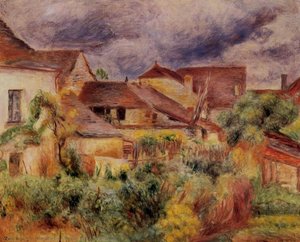
Pierre-Auguste Renoir’s “La Roche-Guyon,” painted in 1885, isn't merely a landscape; it’s an immersion into a fleeting moment of idyllic tranquility. The painting captures the essence of a small French village nestled within the verdant folds of the Vexin region, a place seemingly untouched by the anxieties and rapid changes of its time. More than just a picturesque scene, “La Roche-Guyon” embodies Renoir’s signature Impressionist style – an attempt to capture not just what is seen, but also the *feeling* of light, atmosphere, and the transient beauty of everyday life.
The composition immediately draws the eye to the prominent house with its distinctive red roof, a beacon amidst the surrounding greenery. This central structure isn’t imposing; rather, it feels integrated into the landscape, as if grown organically from the earth itself. Smaller buildings—a modest chapel, perhaps, or a farmer's dwelling—are scattered thoughtfully throughout the scene, adding to the village’s charm and sense of community. Renoir masterfully employs a technique of layering trees – some close enough to almost touch the houses, others receding into the distance – creating an illusion of depth that pulls the viewer into this peaceful world. The artist's use of broken brushstrokes and vibrant color is particularly evident in the dappled sunlight filtering through the leaves, lending the scene a luminous quality that feels both realistic and dreamlike.
The Impressionist Palette: Light and Color as Subject
Renoir’s approach to painting was deeply influenced by his contemporaries within the Impressionist movement. Like Monet and Sisley, he prioritized capturing the effects of light on color rather than meticulously rendering every detail. In “La Roche-Guyon,” this is strikingly evident. The greens are not uniform; they range from deep emerald to pale lime, reflecting the varying conditions of light and shadow. Similarly, the reds of the roof and other structures aren’t solid blocks of color but instead shimmer with hints of orange and pink, mirroring the warmth of the sun. This deliberate manipulation of color is central to Renoir's ability to evoke a specific mood – one of serenity, warmth, and quiet contemplation.
The painting’s atmosphere is remarkably peaceful, almost suspended in time. It’s as if the scene has been captured at a moment when life unfolds at its own unhurried pace. The absence of figures—no villagers strolling through the streets, no children playing—further contributes to this sense of stillness and invites the viewer to simply *be* within the painting's embrace.
A Window into Renoir’s World and Artistic Context
To understand “La Roche-Guyon,” it’s helpful to consider Renoir’s broader artistic journey. Initially apprenticed as a porcelain painter, he found his true calling in capturing the vibrancy of Parisian life and the beauty of the natural world. His early works were influenced by artists like Rubens and Watteau, who emphasized sensuality and elegance. However, he also absorbed elements from Realist painters such as Courbet and Manet, particularly their depictions of modern urban scenes. “La Roche-Guyon” represents a culmination of these influences – a harmonious blend of beauty, observation, and Impressionistic technique.
The painting’s creation coincided with Renoir's time spent in La Roche-Guyon, a village he frequented during the summers of 1885 and 1886. This personal connection undoubtedly informed his artistic choices, allowing him to capture not just a landscape but also a feeling of belonging and appreciation for the simple pleasures of rural life. It’s a testament to Renoir's ability to transform an ordinary scene into something extraordinary through his masterful use of color, light, and composition.
Beyond the Canvas: Exploring Renoir’s Legacy
“La Roche-Guyon” stands as a significant example of Impressionism’s impact on art history. The movement's emphasis on capturing fleeting moments and subjective experiences revolutionized painting techniques and challenged traditional notions of representation. Renoir’s work, alongside that of Monet, Degas, and Cézanne, helped to establish the Impressionists as leading figures in the late 19th-century art world.
If you're captivated by the beauty and tranquility of “La Roche-Guyon,” TopImpressionists.com offers exquisite hand-painted reproductions that faithfully capture the painting’s original charm. Explore our collection to bring this timeless masterpiece into your home or office, allowing its serene atmosphere to inspire and uplift.
Further Exploration: For a deeper dive into Renoir's artistic life, we recommend visiting our artist page or browsing our selection of other Impressionist masterpieces at TopImpressionists.com.
Q&A
「La Roche-Guyon」全体の明るさはどの程度ですか?
視覚的な明るさの観点から見ると、ピエール=オーギュスト・ルノワール作「La Roche-Guyon」 は balanced です。
「La Roche-Guyon」の作者は誰ですか?
「La Roche-Guyon」の作者はピエール=オーギュスト・ルノワールとされています。
ピエール=オーギュスト・ルノワール作「La Roche-Guyon」を特徴づける技法やスタイルは何ですか?
「La Roche-Guyon」は、Impressionism様式のOil On Canvasで制作されています。
関連作品


作家略歴
光に浸された生涯:ピエール=オーギュスト・ルノワールの世界
1841年、フランスのリムーザン地方で生まれたピエール=オーギュスト・ルノワールは、謙虚な磁器画家としての出発から、印象派の巨匠へと昇華していく軌跡は、揺るぎない献身と芸術的ビジョンを示す証です。幼少期を過ごした家族と共にパリへ移り住んだことは、彼の芸術的感性を深く形作りました。賑やかな街並み、多様な人々が織りなす生活は、その後の作品のインスピレーション源となりました。当初は経済的な必要性から磁器絵付けの修行を積む中で、若きルノワールは頻繁にルーブル美術館を訪れ、巨匠たちの技法を丹念に研究し、美への深い理解を育みました。この初期の経験が、単なる職人芸を超えた情熱を燃え上がらせたのです。それは、キャンバス上で光と生命の一瞬を捉えるという使命でした。その後、シャルル・グレレのアトリエに入学し、クロード・モネ、アルフレッド・シスレー、フレデリック・バジルといった志ある芸術家たちとの生涯にわたる友情を築き、印象派運動の礎を築きました。写実主義から輝ける印象へ
ルノワールの芸術的進化は、多様な巨匠の影響を受けた魅力的な変遷でした。当初、ギュスターヴ・クールベやエドゥアール・マネといった写実主義画家たちに惹かれ、彼らの現代生活を率直かつ直接的に描写する姿勢を称賛しました。しかし、ピーター・パウル・ルーベンスやジャン=アントワーヌ・ワトーの輝かしい色彩と官能的なフォルムが彼の心を捉え、美への深い感謝と喜びや余暇を描く傾向を育みました。これらの初期の影響は、ルノワールが独自のスタイルを確立するにつれて融合し、鮮やかな色彩、崩れた筆致、そして光の一過性の効果を捉えることに重点を置いた作品群を生み出しました。1874年の最初の印象派展への参加は転換点となり、当初は伝統的な美術界から批判を受けましたが、学術的慣習からの拒絶と新たな芸術的ビジョンの受容を示すものでした。それは、目に見えるものだけでなく、ある特定の瞬間に生命を経験する感覚までも捉えようとするものです。ムーラン・ド・ラ・ガレットでのダンス(1876年)は、陽光に照らされ、喜びにあふれた人々が描かれ、このアプローチの典型例です。人生の一瞬を捉える:主要作品とテーマ
ルノワールの作品群は、人生のささやかな喜びの賛歌です。親密な集まり、日当たりの良い風景、そして人間の形の輝かしい美しさ。ボート乗りのお昼(1880-81年)は、おそらく彼の最も象徴的な作品の一つであり、セーヌ川でゆったりとした午後を楽しんでいる陽気な人々の姿を描いています。この絵画は光と動きを捉えるという点で傑作であり、暖かい太陽の光に包まれ、水面にきらめく反射が描かれています。浴後(1885-87年)は、ルノワールが女性のヌードを描く卓越した技術を示しており、繊細な肌の色調と優雅なポーズを強調しています。彼の絵画は単なる現実の描写ではなく、鑑賞者の心に深く響く暖かさ、親密さ、喜びといった感情が込められています。彼は壮大な歴史的物語や劇的な寓話に関心を寄ぼず、むしろ日常生活の中に内在する美しさを捉え、平凡な瞬間を芸術へと高めました。ブージヴァルのダンスもまた、一瞬の印象と大気の状態を捉える彼の能力を示す傑作です。形態と構造へのシフト:晩年と遺産
1890年代に入ると、ルノワールのスタイルは大きな変化を遂げました。彼は印象派のルーツを完全に捨て去ることはありませんでしたが、より彫刻的で古典的なアプローチへと向かい、イタリア旅行や形態と構造への新たな関心に影響を受けました。この変化はまた、関節炎が徐々に彼の機動力を制限したことによる身体的な制約も一部原因でした。しかし、これらの課題にもかかわらず、ルノワールは揺るぎない献身をもって描き続け、より充実した人物描写と暖かく豊かな色彩を特徴とする作品を生み出しました。彼の晩年の絵画は、しばしばより思索的な雰囲気を反映していますが、初期の作品を定義していた美しさへの賛歌という根底にあるテーマは変わりません。芸術的業績に加えて、ルノワールの遺産は彼の家族を通して受け継がれています。息子ジャン・ルノワールは著名な映画監督となり、世代を超えて創造的な精神を受け継いでいます。1919年、ピエール=オーギュスト・ルノワールは世を去り、世界中の観客にインスピレーションと喜びを与え続ける、不朽の作品群を残しました。彼は芸術史における最も愛される人物の一人であり、比類のない繊細さと優雅さで人生の喜びと人間の経験の美しさを捉える能力が称賛されています。永続的な影響
- ルノワールの影響は、その後の世代の芸術家に否定できません。光、色彩、そして一瞬を捉えることへの重点は、多くの現代美術運動への道を開きました。
- 彼の美しさへの賛歌と官能性は、今日でも観客に共鳴し続けており、彼の作品を普遍的に魅力的なものにしています。
- 彼は印象主義が芸術史における主要な勢力として確立される上で重要な役割を果たし、伝統的な慣習に挑戦し、芸術的表現のための新たな可能性を開きました。
- 数多くのポスター、カレンダー、その他の商品に複製されている彼の絵画の永続的な人気は、彼の作品の時代を超越した品質を証明しています。

ピエール=オーギュスト・ルノワール
1841 - 1919 , フランス
プロフィール概要
- フルネーム: ピエール=オーギュスト・ルノワール
- 主な作品:
- ムーラン・ド・ラ・ガレットのダンス
- ボート乗りのお昼ご飯
- アフター・ザ・バス
- ブギヴァルのダンス
- 出生地: リムーザン、フランス
- 国籍: フランス
- 影響を与えた芸術家: ['印象派']
- 影響を受けたアーティスト:
- ルブラン
- ワateau
- クールベ
- マネ
- 没年月日: 1919年12月3日
- 生年月日: 1841年2月25日
- 芸術運動: 印象派