


 設置イメージを確認
 送る
送る シェア
シェア
 詳細情報
詳細情報 ガイドを表示

 画像をダウンロード
 似ている作品
 X線調査
X線調査 スライドショー
 統計情報
統計情報Landscape 14

Admire Pierre-Auguste Renoir’s ‘Landscape 14,’ an Impressionist masterpiece capturing autumn beauty. Explore its loose brushwork & vibrant colors. Reproduction available at TopImpressionists.com!
 続きを読む
続きを読む
美しい光と色彩を捉える印象派の画家ピエール=オーギュスト・レノワールは、フランスで生まれました。彼の作品は、特に女性のポートレートやパリの日常生活が特徴的で、芸術家たちに大きな影響を与えました。彼の代表作は「ダンス・アット・ル・モゥラン・ドゥ・ラ・ガレット」などであり、印象派の芸術運動を確立する上で重要な役割を果たしました。
手描き油彩複製画
当社のアーティストが、お客様のご希望のサイズと額縁に合わせて、キャンバスに手描きで制作する油彩画です。 ( プリント版に切り替え デジタル画像販売へ切り替え)




P118B ¥10

P118H ¥10

P118W ¥10

P438Z ¥10

P508JH ¥12

P508YH ¥12

P805H ¥10

P805Z ¥10

P919BZ ¥10

P919G ¥10

P919XJ ¥10

P959ZH ¥10

P968JZ ¥12

W106C ¥8

W218G ¥10

W218JH ¥8

W218Y ¥10

W307PJ ¥10

W316G ¥10

W316PJ ¥8

W316Y ¥10

W398PJ ¥8

W4111J ¥10

W500HY ¥15

W500JH ¥15

W692G ¥12

W849H ¥8

W940BG ¥15

W953PJ ¥8




標準サイズ
カスタムサイズ
CM
INCH
作品のオリジナル比率に合わせた、当店の規定サイズからお選びください。
Loading sizes...

横幅
高さ
フレームや壁のスペースに合わせて、ご希望の幅と高さを入力してください。本作品は手描きのため、異なる比率のサイズをご希望の場合、絵画の周囲を少し広げて描くか、あるいは端を少しカットして調整することが可能です。お客様のご要望に合わせます。制作を開始する前に、仕上がりを確認するためのデジタルモックアップをお送りいたします。このページに表示されている画像は完成品の実物ではなく、あくまでモックアップによるイメージです。
カスタマイズの例:顔をお客様の写真に置き換える、ペットを追加する(例:猫を犬に変更)、背景に隠れたメッセージを入れる、背景の風景や要素を変更するなど。
ご注文後、TopImpressionists.com チームより詳細な指示をお送りするとともに、仕上がりイメージ(モックアップ)をご提供いたします。
ご注文後、TopImpressionists.com チームより詳細な指示をお送りするとともに、仕上がりイメージ(モックアップ)をご提供いたします。


 ガラスオプションは、110cm未満のサイズでのみご利用いただけます。

Landscape 14
再現技法
複製画サイズ一覧
-


合計金額
¥ 42536
A Glimpse of Autumnal Serenity: Exploring Renoir’s Landscape 14
Pierre-Auguste Renoir's *Landscape 14* is a captivating example of Impressionist artistry, transporting the viewer to a tranquil autumnal scene. More than just a depiction of nature, this painting embodies the fleeting beauty and emotional resonance that define Renoir’s celebrated style. The canvas presents a harmonious composition featuring vibrant trees adorned with red leaves, a subtly rendered house nestled in the background, all under a serene blue sky – creating an atmosphere of warmth and peaceful contemplation.Impressionism: Capturing Light and Atmosphere
*Landscape 14* is deeply rooted in the principles of Impressionism, a movement that revolutionized painting in the late 19th century. Rejecting traditional academic constraints, Impressionist artists sought to capture the *immediate sensation* of light and color as perceived by the eye. Renoir’s technique exemplifies this approach, employing loose brushwork and broken color to convey the ephemeral qualities of the natural world. Rather than meticulously detailing every leaf or branch, he focuses on the overall impression – the play of sunlight filtering through the foliage, the hazy atmosphere, and the vibrant energy of autumn.Compositional Harmony & Artistic Technique
The painting’s composition is carefully balanced. Two prominent trees frame the scene, drawing the eye inward towards the distant house. This creates a sense of depth and perspective, while also emphasizing the foreground's rich textures and colors. Renoir masterfully uses color to evoke emotion: the fiery reds of the leaves contrast beautifully with the cool blues of the sky, creating a dynamic visual interplay. The visible brushstrokes aren’t flaws; they are integral to the Impressionist aesthetic – evidence of the artist's hand and a celebration of the painting process itself. The technique suggests movement and vitality, as if the landscape is breathing before our eyes.Historical Context & Renoir’s Legacy
Born in 1841, Pierre-Auguste Renoir became a pivotal figure in the Impressionist movement alongside artists like Monet, Degas, and Pissarro. He challenged conventional artistic norms, embracing modern life and focusing on scenes of leisure, beauty, and everyday existence. *Landscape 14*, created during a period when Renoir was increasingly drawn to landscapes, reflects his evolving style and his enduring fascination with the natural world. His work continues to inspire generations of artists and art lovers alike, solidifying his place as one of history’s most beloved painters. The artist's family also contributed significantly to the arts – his son Jean Renoir became a renowned filmmaker, further extending the creative legacy.Symbolism & Emotional Resonance
Beyond its aesthetic appeal, *Landscape 14* carries subtle symbolic weight. Autumn often represents transition and reflection—a time of letting go and preparing for change. The vibrant colors suggest both the beauty of life’s fullness and the poignant awareness of its impermanence. The house in the background hints at human presence, offering a sense of comfort and belonging within the vastness of nature. Ultimately, this painting evokes feelings of tranquility, nostalgia, and a deep appreciation for the simple joys of life.Bringing Renoir’s Vision Home
- Explore high-quality handmade oil painting reproductions of *Landscape 14* on TopImpressionists.com, allowing you to experience the beauty of this masterpiece in your own space.
- Delve deeper into the life and work of Pierre-Auguste Renoir through resources like his Wikipedia page: Wikipedia.
- Discover other captivating works by Renoir, such as *Claude Monet Painting in his Garden at Arenteuil* and *Coco's Head*, available for viewing on TopImpressionists.com.
よくあるご質問
「Landscape 14」は、拡張現実(AR)でのプレビューが可能ですか?
ピエール=オーギュスト・ルノワール作「Landscape 14」のARプレビューページでは、対応端末を使用し、拡張現実(AR)によって作品をご自身の空間に表示してご確認いただけます。
「Landscape 14」にはどのような色が使われていますか?
「Landscape 14」の色調は、Darkなパレットを構成しています。この分類は、主要な色相のグループを表しています。
「Landscape 14」は、ピエール=オーギュスト・ルノワールの作品群の中でどのような位置を占めているのでしょうか?
ピエール=オーギュスト・ルノワールの作品群において、「Landscape 14」はImpressionism様式に属しており、impressionist light & color, nature's fleeting beauty, traditional landscape views, rural french life", seasonal transition, idyllic countryside, "early, exploring light & atmosphereというテーマを共有しています。
関連作品


アーティストについて
光に浸された生涯:ピエール=オーギュスト・ルノワールの世界
1841年、フランスのリムーザン地方で生まれたピエール=オーギュスト・ルノワールは、謙虚な磁器画家としての出発から、印象派の巨匠へと昇華していく軌跡は、揺るぎない献身と芸術的ビジョンを示す証です。幼少期を過ごした家族と共にパリへ移り住んだことは、彼の芸術的感性を深く形作りました。賑やかな街並み、多様な人々が織りなす生活は、その後の作品のインスピレーション源となりました。当初は経済的な必要性から磁器絵付けの修行を積む中で、若きルノワールは頻繁にルーブル美術館を訪れ、巨匠たちの技法を丹念に研究し、美への深い理解を育みました。この初期の経験が、単なる職人芸を超えた情熱を燃え上がらせたのです。それは、キャンバス上で光と生命の一瞬を捉えるという使命でした。その後、シャルル・グレレのアトリエに入学し、クロード・モネ、アルフレッド・シスレー、フレデリック・バジルといった志ある芸術家たちとの生涯にわたる友情を築き、印象派運動の礎を築きました。写実主義から輝ける印象へ
ルノワールの芸術的進化は、多様な巨匠の影響を受けた魅力的な変遷でした。当初、ギュスターヴ・クールベやエドゥアール・マネといった写実主義画家たちに惹かれ、彼らの現代生活を率直かつ直接的に描写する姿勢を称賛しました。しかし、ピーター・パウル・ルーベンスやジャン=アントワーヌ・ワトーの輝かしい色彩と官能的なフォルムが彼の心を捉え、美への深い感謝と喜びや余暇を描く傾向を育みました。これらの初期の影響は、ルノワールが独自のスタイルを確立するにつれて融合し、鮮やかな色彩、崩れた筆致、そして光の一過性の効果を捉えることに重点を置いた作品群を生み出しました。1874年の最初の印象派展への参加は転換点となり、当初は伝統的な美術界から批判を受けましたが、学術的慣習からの拒絶と新たな芸術的ビジョンの受容を示すものでした。それは、目に見えるものだけでなく、ある特定の瞬間に生命を経験する感覚までも捉えようとするものです。ムーラン・ド・ラ・ガレットでのダンス(1876年)は、陽光に照らされ、喜びにあふれた人々が描かれ、このアプローチの典型例です。人生の一瞬を捉える:主要作品とテーマ
ルノワールの作品群は、人生のささやかな喜びの賛歌です。親密な集まり、日当たりの良い風景、そして人間の形の輝かしい美しさ。ボート乗りのお昼(1880-81年)は、おそらく彼の最も象徴的な作品の一つであり、セーヌ川でゆったりとした午後を楽しんでいる陽気な人々の姿を描いています。この絵画は光と動きを捉えるという点で傑作であり、暖かい太陽の光に包まれ、水面にきらめく反射が描かれています。浴後(1885-87年)は、ルノワールが女性のヌードを描く卓越した技術を示しており、繊細な肌の色調と優雅なポーズを強調しています。彼の絵画は単なる現実の描写ではなく、鑑賞者の心に深く響く暖かさ、親密さ、喜びといった感情が込められています。彼は壮大な歴史的物語や劇的な寓話に関心を寄ぼず、むしろ日常生活の中に内在する美しさを捉え、平凡な瞬間を芸術へと高めました。ブージヴァルのダンスもまた、一瞬の印象と大気の状態を捉える彼の能力を示す傑作です。形態と構造へのシフト:晩年と遺産
1890年代に入ると、ルノワールのスタイルは大きな変化を遂げました。彼は印象派のルーツを完全に捨て去ることはありませんでしたが、より彫刻的で古典的なアプローチへと向かい、イタリア旅行や形態と構造への新たな関心に影響を受けました。この変化はまた、関節炎が徐々に彼の機動力を制限したことによる身体的な制約も一部原因でした。しかし、これらの課題にもかかわらず、ルノワールは揺るぎない献身をもって描き続け、より充実した人物描写と暖かく豊かな色彩を特徴とする作品を生み出しました。彼の晩年の絵画は、しばしばより思索的な雰囲気を反映していますが、初期の作品を定義していた美しさへの賛歌という根底にあるテーマは変わりません。芸術的業績に加えて、ルノワールの遺産は彼の家族を通して受け継がれています。息子ジャン・ルノワールは著名な映画監督となり、世代を超えて創造的な精神を受け継いでいます。1919年、ピエール=オーギュスト・ルノワールは世を去り、世界中の観客にインスピレーションと喜びを与え続ける、不朽の作品群を残しました。彼は芸術史における最も愛される人物の一人であり、比類のない繊細さと優雅さで人生の喜びと人間の経験の美しさを捉える能力が称賛されています。永続的な影響
- ルノワールの影響は、その後の世代の芸術家に否定できません。光、色彩、そして一瞬を捉えることへの重点は、多くの現代美術運動への道を開きました。
- 彼の美しさへの賛歌と官能性は、今日でも観客に共鳴し続けており、彼の作品を普遍的に魅力的なものにしています。
- 彼は印象主義が芸術史における主要な勢力として確立される上で重要な役割を果たし、伝統的な慣習に挑戦し、芸術的表現のための新たな可能性を開きました。
- 数多くのポスター、カレンダー、その他の商品に複製されている彼の絵画の永続的な人気は、彼の作品の時代を超越した品質を証明しています。

ピエール=オーギュスト・ルノワール
1841 - 1919 , フランス
アーティスト情報
- フルネーム: ピエール=オーギュスト・ルノワール
- 主な作品:
- ムーラン・ド・ラ・ガレットのダンス
- ボート乗りのお昼ご飯
- アフター・ザ・バス
- ブギヴァルのダンス
- 出生地: リムーザン、フランス
- 国籍: フランス
- 影響を与えた芸術家: ['印象派']
- 影響を受けたアーティスト:
- ルブラン
- ワateau
- クールベ
- マネ
- 没年月日: 1919年12月3日
- 生年月日: 1841年2月25日
- 芸術運動: 印象派
関連記事

The Soul of Impressionism: Why Oil on Canvas Captures Eternal Light and Timeless Emotion
Discover the enchanting alchemy of Impressionism. Explore how the mastery of oil on canvas, through glazing and impasto, captures eternal light and emotion. Perfect for lovers of Monet and Van Gogh seeking the profound depth of hand-painted fine art.

Beyond the Light: Capturing Raw Emotion and Subjective Vision in Post-Impressionist Landscapes
Explore the profound emotional depth of Post-Impressionist landscapes. Discover how masters like Van Gogh moved beyond light to capture raw human feeling through vibrant color and expressive texture in this expert art history retrospective.
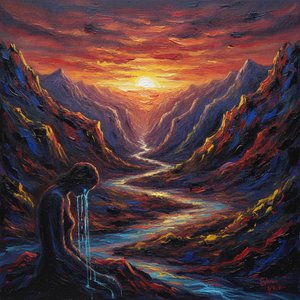
Capturing Emotion: A Journey Through the Soul of Expressionist Landscapes
Explore the profound emotional depth of Expressionist landscapes. Discover how Post-Impressionist masters moved beyond light to capture the soul through vibrant color and form. A curated journey for true art lovers seeking the beauty of expressive mastery.

The Timeless Charm of Oil on Board: Reimagining Texture and Light through the Impressionist Lens
Discover the profound intimacy of oil on panel. Explore how Impressionist masters used rigid supports to capture light, texture, and impasto depth through exquisite, handmade oil reproductions for discerning collectors.
テーマ、スタイル、特徴別に分類された作品を探索しましょう。


