

 Contemporary Realism
 24.0 x 20.0 cm
迅速な制作と多彩な仕上げオプションを備えた、ミュージアムクオリティのジークレーまたはキャンバスプリント。 ( 手描き画への切り替え 画像に切り替え)
作品のオリジナル比率に合わせた、当店の規定サイズからお選びください。

特定のフレームやスペースに合わせて、ご自身でサイズを指定することも可能です。選択されたサイズが元の画像の比率と一致しない場合、作品をトリミングするか、鏡面反射または単色での塗りつぶしによって画像を拡張いたします。制作を開始する前に、ご確認用のデジタルモックアップをお送りいたします。
画面上のプレビューには、実際のトリミングや拡張は反映されませんのでご注意ください。最終的な構図を正確に確認できるのは、モックアップのみとなります。
カスタムサイズも承っておりますが、元の比率を維持するためには、あらかじめ用意されたリストからサイズを選択することをお勧めいたします。

'SPECTACLES'
複製画のサイズ
Pierre Dubreuil (March 5, 1872 – January 9, 1944) stands as a pivotal figure in the history of French photography, marking a crucial transition between the rigid formalism of Neoclassicism and the burgeoning expressive spirit of Romanticism. Born in Lille, France, into a wealthy family involved in wallpaper manufacturing, Dubreuil’s artistic journey began with an early fascination for capturing images—a passion nurtured by his enrollment at Saint Joseph’s Jesuit College where he honed his photographic skills using a half-plate camera at the tender age of sixteen.
His formative years were marked by service in the Saint Omer Dragoons, followed by collaboration with Louis Jean Delton, specializing in equine photography. This early exposure to diverse subjects instilled in him a meticulous attention to detail and an appreciation for capturing reality with precision. Crucially, he joined the Lille Photographic Society in 1891 where he encountered Robert Pauli, who introduced him to groundbreaking printing techniques—carbon and platinum printing—methods that would become hallmarks of his distinctive style.
Dubreuil’s breakthrough arrived in 1896 with “Sombre Clarté,” a photograph lauded for its masterful use of tonal contrasts. Exhibited at the Photo-club de Paris alongside luminaries like Alfred Stieglitz and Robert Demachy, it immediately established him as an innovator within the Pictorialist movement. Dubreuil’s work gained international acclaim, surpassing even those of his contemporaries, cementing his reputation as a visionary artist who dared to challenge conventional photographic norms.
The First World War profoundly impacted Dubreuil's life and career, disrupting his family ties and temporarily halting his artistic pursuits. However, he persevered through the turbulent years following the war, continuing to explore new creative avenues. Notably, he embraced the influence of Cubism and Futurism, experimenting with unconventional compositional strategies—particularly utilizing birds-eye views—to convey a fresh perspective on familiar subjects. His pioneering use of bromoil printing allowed him to manipulate tonal ranges with unprecedented control, mirroring the stylistic shifts occurring in broader artistic circles.
Dubreuil’s commitment to modernist aesthetics was recognized by critics like Fritz Loescher who praised his originality and daring experimentation. He participated in exhibitions showcasing his work at prestigious venues including the Albright Gallery in Buffalo, New York; the Little Gallery of the Amateur Photography Magazine in London; and the Royal Photographic Society. His photographs were celebrated for their ability to capture both beauty and emotion—a testament to his artistic vision.
Throughout his prolific career, Dubreuil’s work consistently prioritized idea over mere representation. He meticulously crafted images that conveyed profound meaning through subtle nuances of light and shadow, anticipating the developments of movements like Surrealism and cementing his legacy as one of the foremost figures in shaping the trajectory of photographic art.
His enduring influence can be seen in the works of subsequent generations of photographers who embraced experimentation and sought to transcend traditional conventions. Dubreuil’s unwavering dedication to artistic innovation ensured that his contribution to photography would resonate far beyond his lifetime, securing his place as a cornerstone of modern art history.

1891 - 1970
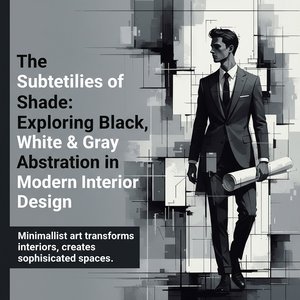
ホテルデザインに最適な黒、白、グレーの抽象画選びをサポート。色彩心理学に基づいた空間演出から、TopImpressionists.comのカスタムアートまで、専門家が洗練されたインテリアを実現します。

TopImpressionistsで、大切な写真を印象派の油絵に。老練な画家が手描きで再現し、空間を豊かに彩る唯一無二のアート作品をお届けします。高品質・安心保証。世代を超えて語り継ぐレガシーギフトにも最適。

Explore 10 iconic paintings dominated by black tones, from Rembrandt’s chiaroscuro to Goya's dark expressions. Discover the stories behind these masterpieces & find museum-quality art reproductions for your home at .

AIと熟練アーティストが融合したTopImpressionistsの「AI Masterpiece Painting」で、大切な写真をゴシック様式の美しい芸術作品に。歴史愛好家の方へ、記憶と感情を彩る高品質なカスタムポートレートをご提供します。

Explore the rich history & artistic power of black and white photography. From early techniques to iconic masters like Ansel Adams, discover why monochrome continues to captivate art lovers today. Expert insights for collectors.


最新の美術ニュース、限定オファー、そしてインテリアのアイデアをいち早くお届けします。
お客様のプロジェクトについてお聞かせください。当社の美術専門家が、お客様に合わせた3つのパーソナライズされた芸術提案をご提供いたします。
あなたにぴったりの3作品を無料で厳選いたします

 プレビュー
プレビュー
 シェアする
シェアする シェアする
シェアする
 詳細を見る
詳細を見る

 ダウンロード
 似ている作品
 X線調査
X線調査 スライドショー
 詳細を見る
詳細を見る






































 ガラスオプションは、110cm未満のサイズでのみご利用いただけます。


