

 設置イメージを表示
 シェアする
シェアする シェアする
シェアする
 詳細を見る
詳細を見る ガイドを表示

 ダウンロード
 似ている作品
 X線調査
X線調査 スライドショーを表示
 Q&A
Q&A 統計情報
統計情報Begonia


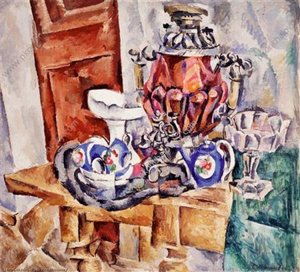
Explore Pyotr Konchalovsky's captivating Begonia – a still life masterpiece depicting vibrant red and pink flowers within elegant vases alongside delicate cups, capturing the spirit of Russian art history.
 詳細を表示
詳細を表示
ロシアの画家ピョートル・コンチャロフスキー(1876-1956)。印象派、新造形主義の影響を受けつつ、独自のスタイルを確立。風景画や肖像画、静物画など多岐にわたる作品で、ロシア美術史に大きな足跡を残しました。
ジークレー/アートプリント
スピーディーな制作と多彩な仕上げオプションが魅力の、ミュージアムクオリティなジークレー・キャンバスプリント。 ( 手描き複製画を注文する デジタル画像販売へ切り替え)




P118B ¥10

P118H ¥10

P118W ¥10

P438Z ¥10

P508JH ¥12

P508YH ¥12

P805H ¥10

P805Z ¥10

P919BZ ¥10

P919G ¥10

P919XJ ¥10

P959ZH ¥10

P968JZ ¥12

W106C ¥8

W218G ¥10

W218JH ¥8

W218Y ¥10

W307PJ ¥10

W316G ¥10

W316PJ ¥8

W316Y ¥10

W398PJ ¥8

W4111J ¥10

W500HY ¥15

W500JH ¥15

W692G ¥12

W849H ¥8

W940BG ¥15

W953PJ ¥8




標準サイズ
オーダーメイド
CM
INCH
作品のオリジナル比率に合わせた、当店の規定サイズからお選びください。
Loading sizes...

横幅
高さ
額縁や壁のスペースに合わせて、ご希望の幅と高さを入力してください。プリントはカットすることは可能ですが、元の画像より大きくすることはできないため、異なる比率のサイズを選択された場合は、画像の一部が欠けることになります。印刷を開始する前に、内容を確認していただくためのデジタルモックアップをお送りいたします。このページに表示されている画像は、実際のカット後の状態を示すものではありません。実際の仕上がりはモックアップにてご確認ください。


 ガラスオプションは、110cm未満のサイズでのみご利用いただけます。

Begonia
ジークレー/アートプリント
複製画サイズ一覧
-


合計金額
¥ 11098
A Portrait of Turbulent Russia: Exploring Pyotr Konchalovsky’s “Begonia”
Pyotr Petrovich Konchalovsky's "Begonia," painted circa 1908, stands as a poignant emblem of the Russian avant-garde’s fascination with capturing fleeting moments of beauty amidst societal upheaval. More than just a depiction of flowers—specifically a begonia blossom—the painting embodies a broader artistic impulse to distill emotion and intellect into visual form, reflecting the anxieties and aspirations of a nation grappling with rapid modernization.
Style & Technique: Konchalovsky’s approach aligns squarely with Neo-Impressionism, championed by artists like Georges Seurat and Paul Cézanne. Unlike Impressionists who sought to capture atmospheric effects, Konchalovsky meticulously applied small dots of pure pigment—primarily reds, pinks, and yellows—to build up tonal variations within the flower petals and vases. This technique, known as Pointillisme, wasn’t merely a stylistic choice; it represented a deliberate rejection of traditional brushstrokes in favor of scientific observation and mathematical precision. The artist painstakingly analyzed how light interacts with color, striving to reproduce its nuances with unparalleled accuracy.
Historical Context: Painted during the Belle Époque—a period characterized by optimism and artistic experimentation—"Begonia" speaks to a Russia undergoing significant transformations under Tsar Nicholas II’s reign. While outward appearances suggested prosperity and grandeur (the opulent palaces of St. Petersburg), beneath the surface simmered discontent fueled by social inequalities and burgeoning revolutionary sentiment. The painting's stillness contrasts sharply with this turbulent backdrop, inviting contemplation on themes of fragility and resilience.
Symbolism & Composition: The begonia itself carries considerable symbolic weight. Traditionally associated with femininity, beauty, and rebirth—often depicted as a symbol of resurrection—the flower’s delicate petals symbolize the ephemeral nature of life and the importance of savoring every moment. The vases serve as containers for this beauty, mirroring the role of art in preserving and transmitting cultural values. Furthermore, the arrangement of objects – the vases, cups, and begonia – contributes to a carefully constructed visual narrative that emphasizes balance and harmony despite the underlying tension.
Emotional Impact: Viewing “Begonia” evokes a sense of quiet contemplation and melancholic beauty. The artist’s masterful use of color and technique captures not only the physical appearance of the flower but also its emotional essence—a subtle suggestion of vulnerability amidst grandeur, mirroring the complexities of Russian society at the turn of the century. It's a piece that lingers in the mind long after viewing, prompting reflection on themes of beauty, decay, and the enduring power of artistic expression.
- Artist: Pyotr Petrovich Konchalovsky
- Year Painted: Circa 1908
- Style: Neo-Impressionism
- Technique: Pointillisme (Dot Painting)
Q&A
ピョートル・コンチャロフスキー作「Begonia」の色味の強さはどの程度ですか?
ピョートル・コンチャロフスキー作「Begonia」の色調は、Balancedな強さを持っています。
「Begonia」の色は、どの程度の光を反射しているように見えますか?
ピョートル・コンチャロフスキー作「Begonia」 の記録された輝度は Bright Balance です。
「Begonia」における明暗のバランスは、どのように表現されていますか?
「Begonia」の全体的な明るさはbrilliantで、輝度はBright Balanceです。




作家プロフィール
ピョートル・コンチャロフスキー:変革期のロシア美術を彩った巨匠
ピョートル・ペトロヴィチ・コンチャロフスキーは、1876年にハリコフ近郊のスラヴィャンスク村で生まれ、1956年にモスクワでその生涯を閉じた、ロシアそしてソビエト連邦の画家です。彼の芸術的遍歴は、ロシアが激動の時代を経験する中で、国家の変容を鮮やかに記録したものであり、常に新しい表現方法を模索し続けました。コンチャロフスキー家は、父ペトル・ペトロヴィチが翻訳者であり美術出版社を経営していたため、芸術家たちとの交流も深く、幼い頃からバレンティン・セローフ、ミハイル・ヴルーベル、ヴァシリイ・スリコフといった著名な芸術家たちが頻繁に訪問する、知性と創造性に満ちた環境で育ちました。週末にはトレチャコフ美術館を訪れ、ロシアの巨匠たちの作品を鑑賞することで、その美的感覚が磨かれていきました。パリの影響と前衛への道
1896年から1898年にかけて、コンチャロフスキーはパリでアカデミー・ジュリアンで学びました。このフランス美術界への没入は、彼の芸術に大きな変革をもたらしました。ポール・セザンヌやフィンセント・ファン・ゴッのような、従来の表現を打ち破り、新しい形態と色彩を探求する芸術家たちの作品に出会い、深く感銘を受けました。アルルへの旅では、ゴッホの芸術的ビジョンをより深く理解し、表現の強烈さを体感しました。ロシアに戻った後も、サンクトペテルブルクの帝国美術アカデミーで学びましたが、帰国後にコンチャロフスキーは独自のスタイルを確立していきます。彼はロシア前衛運動の中心人物の一人となり、1910年には影響力のある「ダイヤモンドの騎士」(Knave of Diamonds)グループを結成しました。このグループは伝統的な学術主義を拒否し、実験性を重視し、西欧の近代芸術だけでなく、ロシア独自の民芸伝統——イコン画、酒場の看板、そしてカラフルな風俗画(リュボク)——からもインスピレーションを得ていました。変遷する様式と主題:時代への適応
コンチャロフスキーの芸術的スタイルは、そのキャリアを通して進化を続け、個人の探求だけでなく、ロシアの政治情勢の変化も反映しました。初期にはフォヴィスムやセザンヌの影響を受け、大胆な色彩、簡略化された形態、そして構造への集中が特徴でした。「コーヒーポットのある静物」などの作品に見られるように、鮮やかな色彩とダイナミックな構成が際立ちます。第一次世界大戦におけるロシア軍での従軍後、彼のスタイルは徐々に変化し始めました。ソビエト連邦下で台頭した社会主義リアリズムは、芸術にイデオロギー的な目的を求めており、コンチャロフスキーもこの潮流に適応し、社会主義的理想を称え、著名な人物を描く儀式的な肖像画を手がけるようになりました。しかし、こうした変化の中でも、彼は独自の芸術的声を維持し、政治的に意図された作品にも重厚感と記念碑性を吹き込んでいます。彼の膨大な作品数——5,000点以上——は、その飽くなき献身と絵画への揺るぎない情熱の証です。遺産と現代における意義
ピョートル・コンチャロフスキーのロシア美術への貢献は否定できません。彼は初期の近代主義と社会主義リアリズムを繋ぐ架け橋となり、激動の政治状況の中で重要な芸術家としての地位を確立しました。1922年のトレチャコフ美術館での個展開催は、彼の名声を確固たるものにしました。彼自身の作品に加え、コンチャロフスキーは芸術一家を育み、息子ミハイル・ペトロヴィチ・コンチャロフスキーが著名な映画監督となり、娘ナタリア・コンチャロフスカヤも優れた芸術家として活躍しました。彼の作品は単なる美的な対象ではなく、彼が生きた激動の時代を記録した歴史的文書であり、ロシア美術の進化と、急速に変化する社会の中で活動する芸術家たちが直面した課題への貴重な洞察を提供します。コンチャロフスキーの能力——政治的混乱にもかかわらず芸術表現の持続性を保ちながら、独自のスタイルを維持すること——は、彼をロシア美術史における重要な人物として確固たるものにし、その遺産は今日でも観客にインスピレーションを与え続けています。彼の作品は、政治的変動に直面した芸術的表現の不屈の精神の証であり、現代のロシア美術にも影響を与え続けています。多岐にわたる制作:主要なテーマと主題
コンチャロフスキーの膨大な作品群には、彼の芸術的な関心を反映する反復的なテーマや主題が見られます。静物画は、キャリアを通して一貫して描かれており、制御された環境の中で形態、色彩、構成を探求することを可能にしました。彼は日常的な物体——果物、花、食器など——を描き、それらに重厚感と存在感を吹き込んでいます。風景もまた、彼の作品において特別な位置を占めており、旅先で得た自然の美しさと壮大さを捉えています。しかし、肖像画こそがコンチャロフスキーの真骨頂であり、同時代の人物を魅力的かつ心理的な深みをもって描き出しました。彼の肖像画は、家族の一員という親密な描写から、ソビエト当局者の荘厳な儀式的な表現まで多岐にわたります。彼はまた、ジャンル画や歴史的題材にも挑戦し、多様な芸術的課題に取り組む意欲を示しました。その作品数は5,000点以上と膨大であり、彼の飽くなき献身と絵画への揺るぎない情熱の証です。彼は観察の名手であり、そのビジョンの力によって平凡なものを非凡なものへと変えることができました。
ピョートル・コンチャロフスキー
1876 - 1956 , ロシア
プロフィール概要
- フルネーム: ピョートル・ペトロヴィチ・コンチャロフスキー
- 主な作品:
- 風景
- コーヒーポットのある静物
- ノヴゴロディアン
- 出生地: ハリコフ(ロシア)
- 国籍: ロシア
- 影響を与えた芸術家/運動: ['ロシア前衛芸術']
- 影響を受けたアーティスト:
- ポール・セザンヌ
- フィンセント・ファン・ゴッホ
- 死亡年月日: 1956年2月2日
- 生年月日: 1876年2月21日
- 芸術運動/スタイル: アヴァンギャルド、フォーヴィスム、リアリズム
関連記事

Victor Vasnetsov: Myth, Nationalism & the Revival of Russian Fairy Tale Painting
Explore the captivating world of Victor Vasnetsov, a co-founder of Russian folklorist painting. Discover his iconic works, influence on national identity, and lasting legacy in this expert guide.

Blossoming Symbolism: A Historical Journey Through Flowers in Western Painting
Explore the rich history of flower symbolism in Western painting! Discover how artists from the Renaissance to Modernism used blossoms to convey meaning, emotion & beauty. Learn about iconic artworks and movements.

Silent Narratives: Exploring the Enduring Appeal of Still Life Painting Across Centuries
Explore the rich history of still life painting with TopImpressionists. Discover Dutch Masters, decode vanitas symbolism & learn about collecting timeless art. Expert insights and museum-quality reproductions.

Ivan Bilibin: A Synthesis of Folklore, Modernism & National Identity in Russian Illustration
Explore the enchanting world of Ivan Bilibin, a master Russian illustrator who synthesized folklore, Art Nouveau & national identity. Discover his iconic fairy tale illustrations and legacy with TopImpressionists.

ポール・セザンヌ:至高の25選 - 傑作と革新の軌跡 | TopImpressionists
ポール・セザンヌの至高の25選。ポスト印象派を代表する画家、セザンヌの傑作と革新的な技法を紐解きます。TopImpressionistsで高品質な複製画やインテリアアートを見つけ、芸術の世界をご自宅に。今すぐコレクションをご覧ください。