


 設置イメージを確認
 送る
送る シェア
シェア
 詳細情報
詳細情報 ガイドを表示

 画像をダウンロード
 似ている作品
 X線調査
X線調査 スライドショー
 統計情報
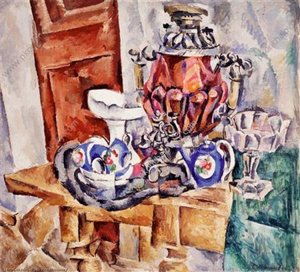
統計情報Still Life with a Coffeepot
 Oil On Canvas
- WallArt
- Fauvism
 1919
1919- Modern
 105.0 x 108.0 cm
 続きを読む
続きを読む
ジークレー/アートプリント
スピーディーな制作と多彩な仕上げオプションが魅力の、ミュージアムクオリティなジークレー・キャンバスプリント。 ( 手描きの複製画を注文する デジタル画像販売へ切り替え)




P118B ¥10

P118H ¥10

P118W ¥10

P438Z ¥10

P508JH ¥12

P508YH ¥12

P805H ¥10

P805Z ¥10

P919BZ ¥10

P919G ¥10

P919XJ ¥10

P959ZH ¥10

P968JZ ¥12

W106C ¥8

W218G ¥10

W218JH ¥8

W218Y ¥10

W307PJ ¥10

W316G ¥10

W316PJ ¥8

W316Y ¥10

W398PJ ¥8

W4111J ¥10

W500HY ¥15

W500JH ¥15

W692G ¥12

W849H ¥8

W940BG ¥15

W953PJ ¥8




標準サイズ
カスタムサイズ
CM
INCH
作品のオリジナル比率に合わせた、当店の規定サイズからお選びください。
Loading sizes...

横幅
高さ
額縁や壁のスペースに合わせて、ご希望の幅と高さを入力してください。プリントはカットすることは可能ですが、元の画像より大きくすることはできないため、異なる比率のサイズを選択された場合は、画像の一部が欠けることになります。印刷を開始する前に、内容を確認していただくためのデジタルモックアップをお送りいたします。このページに表示されている画像は、実際のカット後の状態を示すものではありません。実際の仕上がりはモックアップにてご確認ください。


 ガラスオプションは、110cm未満のサイズでのみご利用いただけます。

Still Life with a Coffeepot
ジークレー/アートプリント
複製画サイズ一覧
-


合計金額
¥ 10871
Still Life with a Coffeepot: A Fauvist Celebration of Everyday Objects
Pyotr Konchalovsky’s Still Life with a Coffeepot, painted in 1919, is a vibrant and captivating example of the Fauvist movement. Measuring 105 x 108 cm, this artwork transcends a simple depiction of domestic items; it's an exploration of color, form, and the expressive potential of paint itself.
Composition and Subject Matter
The painting presents a carefully arranged still life set upon a table draped with a warm yellow cloth. The scene is populated with familiar objects: a blue vase brimming with flowers, a small white bowl holding green fruits (likely limes), and the titular yellow teapot. These elements are not rendered with photographic realism but rather simplified and stylized to emphasize their inherent shapes and colors. The background, painted in varying shades of blue, provides a cool counterpoint to the warmer tones dominating the foreground, creating visual balance and depth. The arrangement isn't haphazard; it demonstrates Konchalovsky’s skill in orchestrating a harmonious composition that guides the viewer's eye across the canvas.
Fauvist Style and Influences
Konchalovsky was deeply influenced by French Impressionism and, most notably, Fauvism. The term "Fauve" (meaning “wild beast”) was applied to artists who utilized bold, non-naturalistic colors and expressive brushstrokes. Still Life with a Coffeepot exemplifies these characteristics. The colors are not used to accurately represent the objects but rather to evoke emotion and create visual impact. The visible brushwork adds texture and dynamism to the painting, further distancing it from traditional realism. One can also detect echoes of Paul Cézanne’s influence in Konchalovsky's approach to form and structure, particularly in the way he simplifies shapes and explores spatial relationships.
Historical Context and Artistic Significance
Created in 1919, shortly after the Russian Revolution, this painting reflects a period of significant social and artistic upheaval. Konchalovsky was a member of the Jack of Diamonds group, a collective of artists who actively challenged traditional representational art forms. This group sought to introduce modern European trends – particularly Fauvism and Cubism – into the Russian art scene. Still Life with a Coffeepot stands as a testament to this artistic rebellion, showcasing Konchalovsky’s contribution to the development of Fauvism within the context of Russian art. It represents a move away from academic conventions towards a more expressive and subjective approach to painting.
Emotional Impact and Lasting Appeal
Beyond its historical significance, Still Life with a Coffeepot possesses an undeniable emotional appeal. The vibrant colors and dynamic brushstrokes create a sense of energy and vitality. While the subject matter is commonplace – everyday objects found in a home – Konchalovsky elevates it to something extraordinary through his artistic vision. The painting evokes feelings of warmth, comfort, and perhaps even a touch of nostalgia. It’s a celebration of the beauty that can be found in the ordinary, rendered with an exuberance that continues to captivate viewers today.
よくあるご質問
ピョートル・コンチャロフスキー作「Still Life with a Coffeepot」は、どのような感情を伝えていますか?
「Still Life with a Coffeepot」は、Reflectiveな感情を呼び起こします。この情緒的なトーンは、作品が与える印象を表しています。
ピョートル・コンチャロフスキー作「Still Life with a Coffeepot」の制作時期と様式は何ですか?
ピョートル・コンチャロフスキー作「Still Life with a Coffeepot」は1919年に制作されたもので、Fauvismに属します。
「Still Life with a Coffeepot」のFauvism様式には、どのような情緒的なトーンが漂っていますか?
「Still Life with a Coffeepot」のFauvism様式には、Reflectiveな感情が添えられています。




アーティストについて
ピョートル・コンチャロフスキー:変革期のロシア美術を彩った巨匠
ピョートル・ペトロヴィチ・コンチャロフスキーは、1876年にハリコフ近郊のスラヴィャンスク村で生まれ、1956年にモスクワでその生涯を閉じた、ロシアそしてソビエト連邦の画家です。彼の芸術的遍歴は、ロシアが激動の時代を経験する中で、国家の変容を鮮やかに記録したものであり、常に新しい表現方法を模索し続けました。コンチャロフスキー家は、父ペトル・ペトロヴィチが翻訳者であり美術出版社を経営していたため、芸術家たちとの交流も深く、幼い頃からバレンティン・セローフ、ミハイル・ヴルーベル、ヴァシリイ・スリコフといった著名な芸術家たちが頻繁に訪問する、知性と創造性に満ちた環境で育ちました。週末にはトレチャコフ美術館を訪れ、ロシアの巨匠たちの作品を鑑賞することで、その美的感覚が磨かれていきました。パリの影響と前衛への道
1896年から1898年にかけて、コンチャロフスキーはパリでアカデミー・ジュリアンで学びました。このフランス美術界への没入は、彼の芸術に大きな変革をもたらしました。ポール・セザンヌやフィンセント・ファン・ゴッのような、従来の表現を打ち破り、新しい形態と色彩を探求する芸術家たちの作品に出会い、深く感銘を受けました。アルルへの旅では、ゴッホの芸術的ビジョンをより深く理解し、表現の強烈さを体感しました。ロシアに戻った後も、サンクトペテルブルクの帝国美術アカデミーで学びましたが、帰国後にコンチャロフスキーは独自のスタイルを確立していきます。彼はロシア前衛運動の中心人物の一人となり、1910年には影響力のある「ダイヤモンドの騎士」(Knave of Diamonds)グループを結成しました。このグループは伝統的な学術主義を拒否し、実験性を重視し、西欧の近代芸術だけでなく、ロシア独自の民芸伝統——イコン画、酒場の看板、そしてカラフルな風俗画(リュボク)——からもインスピレーションを得ていました。変遷する様式と主題:時代への適応
コンチャロフスキーの芸術的スタイルは、そのキャリアを通して進化を続け、個人の探求だけでなく、ロシアの政治情勢の変化も反映しました。初期にはフォヴィスムやセザンヌの影響を受け、大胆な色彩、簡略化された形態、そして構造への集中が特徴でした。「コーヒーポットのある静物」などの作品に見られるように、鮮やかな色彩とダイナミックな構成が際立ちます。第一次世界大戦におけるロシア軍での従軍後、彼のスタイルは徐々に変化し始めました。ソビエト連邦下で台頭した社会主義リアリズムは、芸術にイデオロギー的な目的を求めており、コンチャロフスキーもこの潮流に適応し、社会主義的理想を称え、著名な人物を描く儀式的な肖像画を手がけるようになりました。しかし、こうした変化の中でも、彼は独自の芸術的声を維持し、政治的に意図された作品にも重厚感と記念碑性を吹き込んでいます。彼の膨大な作品数——5,000点以上——は、その飽くなき献身と絵画への揺るぎない情熱の証です。遺産と現代における意義
ピョートル・コンチャロフスキーのロシア美術への貢献は否定できません。彼は初期の近代主義と社会主義リアリズムを繋ぐ架け橋となり、激動の政治状況の中で重要な芸術家としての地位を確立しました。1922年のトレチャコフ美術館での個展開催は、彼の名声を確固たるものにしました。彼自身の作品に加え、コンチャロフスキーは芸術一家を育み、息子ミハイル・ペトロヴィチ・コンチャロフスキーが著名な映画監督となり、娘ナタリア・コンチャロフスカヤも優れた芸術家として活躍しました。彼の作品は単なる美的な対象ではなく、彼が生きた激動の時代を記録した歴史的文書であり、ロシア美術の進化と、急速に変化する社会の中で活動する芸術家たちが直面した課題への貴重な洞察を提供します。コンチャロフスキーの能力——政治的混乱にもかかわらず芸術表現の持続性を保ちながら、独自のスタイルを維持すること——は、彼をロシア美術史における重要な人物として確固たるものにし、その遺産は今日でも観客にインスピレーションを与え続けています。彼の作品は、政治的変動に直面した芸術的表現の不屈の精神の証であり、現代のロシア美術にも影響を与え続けています。多岐にわたる制作:主要なテーマと主題
コンチャロフスキーの膨大な作品群には、彼の芸術的な関心を反映する反復的なテーマや主題が見られます。静物画は、キャリアを通して一貫して描かれており、制御された環境の中で形態、色彩、構成を探求することを可能にしました。彼は日常的な物体——果物、花、食器など——を描き、それらに重厚感と存在感を吹き込んでいます。風景もまた、彼の作品において特別な位置を占めており、旅先で得た自然の美しさと壮大さを捉えています。しかし、肖像画こそがコンチャロフスキーの真骨頂であり、同時代の人物を魅力的かつ心理的な深みをもって描き出しました。彼の肖像画は、家族の一員という親密な描写から、ソビエト当局者の荘厳な儀式的な表現まで多岐にわたります。彼はまた、ジャンル画や歴史的題材にも挑戦し、多様な芸術的課題に取り組む意欲を示しました。その作品数は5,000点以上と膨大であり、彼の飽くなき献身と絵画への揺るぎない情熱の証です。彼は観察の名手であり、そのビジョンの力によって平凡なものを非凡なものへと変えることができました。
ピョートル・コンチャロフスキー
1876 - 1956 , ロシア
アーティスト情報
- フルネーム: ピョートル・ペトロヴィチ・コンチャロフスキー
- 主な作品:
- 風景
- コーヒーポットのある静物
- ノヴゴロディアン
- 出生地: ハリコフ(ロシア)
- 国籍: ロシア
- 影響を与えた芸術家/運動: ['ロシア前衛芸術']
- 影響を受けたアーティスト:
- ポール・セザンヌ
- フィンセント・ファン・ゴッホ
- 死亡年月日: 1956年2月2日
- 生年月日: 1876年2月21日
- 芸術運動/スタイル: アヴァンギャルド、フォーヴィスム、リアリズム
関連記事

Victor Vasnetsov: Myth, Nationalism & the Revival of Russian Fairy Tale Painting
Explore the captivating world of Victor Vasnetsov, a co-founder of Russian folklorist painting. Discover his iconic works, influence on national identity, and lasting legacy in this expert guide.

ジョルジュ・ブラック傑作25選:革新的なキュビスムの世界と装飾への誘い
ジョルジュ・ブラックの傑作25選。キュビスムを代表する画家、その革新的な色彩と技法に迫ります。名画から知られざる逸品まで、美術史に残る作品群をTopImpressionists.comで鑑賞。お部屋を彩るアートプリントも多数ご用意。今すぐオンラインでコレクションをご覧ください。

Silent Narratives: Exploring the Enduring Appeal of Still Life Painting Across Centuries
Explore the rich history of still life painting with TopImpressionists. Discover Dutch Masters, decode vanitas symbolism & learn about collecting timeless art. Expert insights and museum-quality reproductions.

Ivan Bilibin: A Synthesis of Folklore, Modernism & National Identity in Russian Illustration
Explore the enchanting world of Ivan Bilibin, a master Russian illustrator who synthesized folklore, Art Nouveau & national identity. Discover his iconic fairy tale illustrations and legacy with TopImpressionists.

Deconstructing Reality: A Comprehensive Exploration of Cubist Still Life
Explore the revolutionary world of Cubist Still Life with TopImpressionists. Discover Picasso & Braque's groundbreaking techniques, its philosophical roots, and lasting impact on modern art. Expert insights for collectors.