

 設置イメージを確認
 送る
送る シェア
シェア
 詳細情報
詳細情報 ガイドを表示

 画像をダウンロード
 似ている作品
 X線調査
X線調査 スライドショー
 統計情報
統計情報Danae
 Oil On Canvas
- WallArt
- Baroque
 1643
1643 203.0 x 185.0 cm
 エルミタージュ美術館
 続きを読む
続きを読む
手描き油彩複製画
当社のアーティストが、お客様のご希望のサイズと額縁に合わせて、キャンバスに手描きで制作する油彩画です。 ( プリント版に切り替え デジタル画像販売へ切り替え)




P118B ¥10

P118H ¥10

P118W ¥10

P438Z ¥10

P508JH ¥12

P508YH ¥12

P805H ¥10

P805Z ¥10

P919BZ ¥10

P919G ¥10

P919XJ ¥10

P959ZH ¥10

P968JZ ¥12

W106C ¥8

W218G ¥10

W218JH ¥8

W218Y ¥10

W307PJ ¥10

W316G ¥10

W316PJ ¥8

W316Y ¥10

W398PJ ¥8

W4111J ¥10

W500HY ¥15

W500JH ¥15

W692G ¥12

W849H ¥8

W940BG ¥15

W953PJ ¥8




標準サイズ
カスタムサイズ
CM
INCH
作品のオリジナル比率に合わせた、当店の規定サイズからお選びください。
Loading sizes...

横幅
高さ
フレームや壁のスペースに合わせて、ご希望の幅と高さを入力してください。本作品は手描きのため、異なる比率のサイズをご希望の場合、絵画の周囲を少し広げて描くか、あるいは端を少しカットして調整することが可能です。お客様のご要望に合わせます。制作を開始する前に、仕上がりを確認するためのデジタルモックアップをお送りいたします。このページに表示されている画像は完成品の実物ではなく、あくまでモックアップによるイメージです。
カスタマイズの例:顔をお客様の写真に置き換える、ペットを追加する(例:猫を犬に変更)、背景に隠れたメッセージを入れる、背景の風景や要素を変更するなど。
ご注文後、TopImpressionists.com チームより詳細な指示をお送りするとともに、仕上がりイメージ(モックアップ)をご提供いたします。
ご注文後、TopImpressionists.com チームより詳細な指示をお送りするとともに、仕上がりイメージ(モックアップ)をご提供いたします。


 ガラスオプションは、110cm未満のサイズでのみご利用いただけます。

Danae
再現技法
複製画サイズ一覧
-


合計金額
¥ 46654
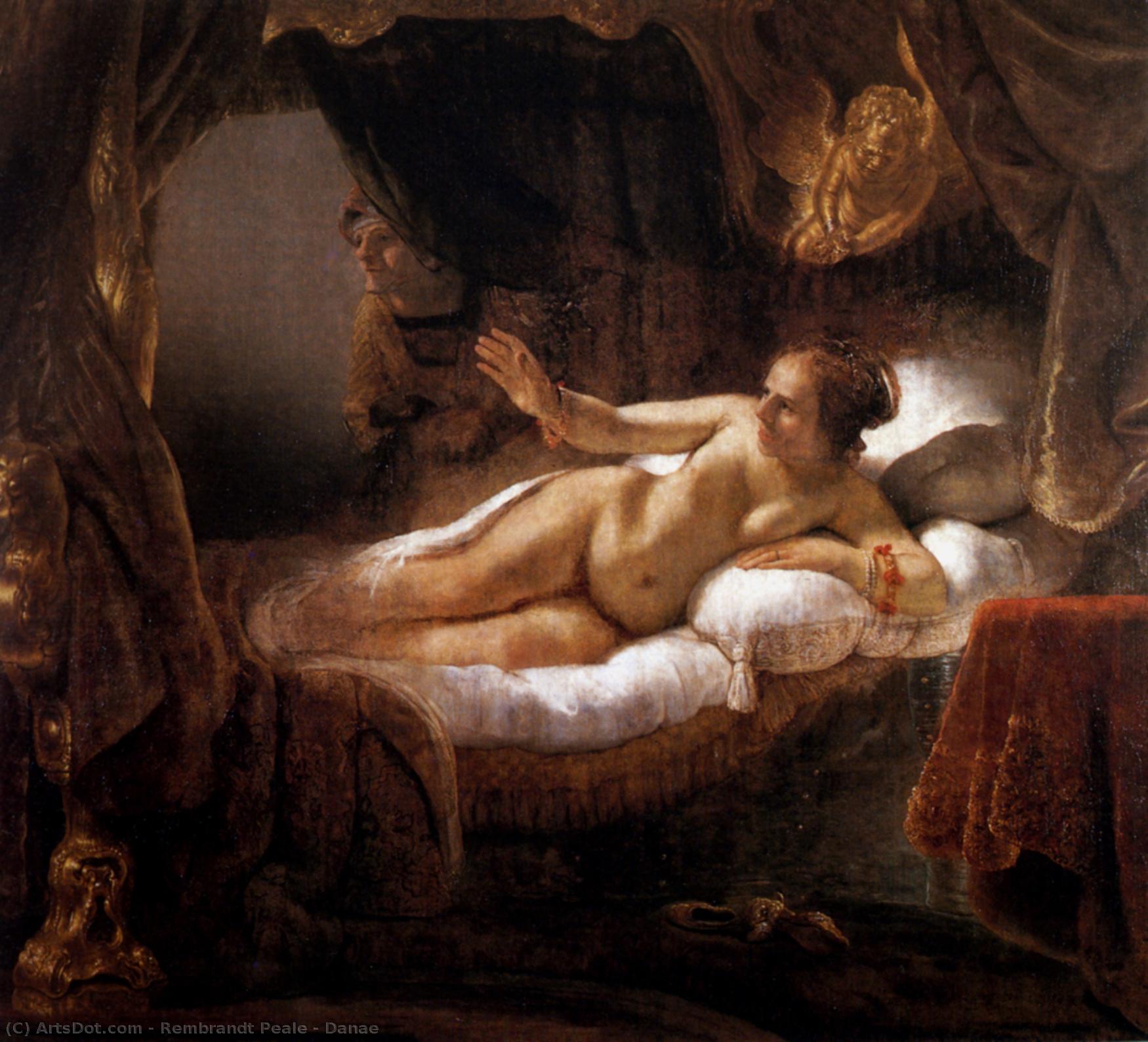
Danae: A Baroque Drama of Divine Desire
Rembrandt Peale’s “Danaë,” painted in 1643, is not merely a depiction of Greek mythology; it's a visceral exploration of desire, vulnerability, and the unsettling power of the divine. This arresting oil on canvas immediately commands attention with its dramatic chiaroscuro – a masterful manipulation of light and shadow that plunges the scene into an opulent, almost suffocating darkness, punctuated by the radiant glow of Zeus’s golden rain. The painting's mood is profoundly evocative, hinting at both beauty and impending doom, a hallmark of the Baroque style which Peale expertly employs.
At the heart of the composition lies Danaë, reclining on a luxurious bed draped in rich fabrics and adorned with pillows. Her nudity, while undeniably provocative, isn’t presented as overtly sensual; rather, it emphasizes her vulnerability and passive acceptance of fate. The sheer curtain partially concealing her body subtly reveals the descending golden rain – not a gentle blessing, but a torrent of shimmering light that feels both miraculous and threatening. This visual paradox is crucial to understanding the painting's central theme: the precarious balance between divine gift and potential corruption.
The Anatomy of Baroque Drama
Peale’s technical skill is evident in every brushstroke. The impasto technique – building up thick layers of paint – creates a remarkable sense of texture, particularly in the drapery and the swirling golden rain. These areas practically leap off the canvas, drawing the viewer into the scene with an almost tactile quality. The use of line is equally deliberate; flowing lines define the luxurious fabrics, while sharp, angular lines delineate the architectural elements within the chamber, creating a dynamic interplay between organic curves and geometric precision.
Furthermore, Peale’s understanding of perspective is subtly flattened, prioritizing emotional impact over strict realism. This choice contributes to the painting's dreamlike quality, intensifying the sense of drama and heightening the viewer’s engagement with the narrative. The lighting itself – a strong directional light illuminating Danaë’s face and upper body – serves to heighten her importance within the composition while simultaneously shrouding the background in shadow, creating an atmosphere of mystery and foreboding.
Mythological Symbolism and Historical Context
“Danaë” is rooted firmly in Greek mythology. The story recounts how Zeus, disguised as a shower of golden rain, seduced Danaë, daughter of King Aetius, and fathered Perseus, the hero who would later slay Medusa. The golden rain isn’t simply a symbol of fertility; it represents Zeus's divine intervention – an irresistible force that disrupts the natural order and exposes Danaë to his desires. The painting captures this moment of transgression and the subsequent consequences for both woman and family.
Painted during a period of intense artistic experimentation, “Danaë” reflects the influence of the Dutch Baroque masters, particularly Rembrandt van Rijn (hence Peale’s namesake). However, Peale adapts these influences to create a distinctly American style. The painting also speaks to the broader cultural anxieties of the time – concerns about unchecked power, the role of women in society, and the relationship between humanity and the divine. It's important to note that Peale was part of a burgeoning artistic community in Philadelphia, and his work contributed significantly to the development of American portraiture and landscape painting.
A Legacy of Likeness: The Peale Museum Connection
Rembrandt Peale’s legacy extends beyond this single masterpiece. He was a pivotal figure in establishing America's first museum – The Peale Museum – alongside his father, Charles Willson Peale. This institution, dedicated to showcasing art, natural history, and scientific specimens, played a crucial role in fostering public engagement with the arts and sciences. The museum itself stands as a testament to Peale’s commitment to education and cultural enrichment. Reproductions of works like “Danae” are now available through TopImpressionists.com, allowing enthusiasts worldwide to experience the power and beauty of this iconic painting.
よくあるご質問
レンブラント・ピール作「Danae」 の基調となる色は何ですか?
レンブラント・ピール作「Danae」の主色(メインカラー)はBlack (#140a09)です。
「Danae」の詳細を確認することはできますか?
「Danae」は、作品のX線解析ページにて、層ごとに詳しく観察することができます。このビューアは修復家のライトベンチに着想を得ており、画像の11層にわたる光学的な読み取りを可能にしています。
レンブラント・ピール作「Danae」の色使いは、どのような感情を呼び起こしますか?
レンブラント・ピール作「Danae」は、EarthyなパレットとMelancholicなトーンを兼ね備えています。
アーティストについて
生い立ちと芸術への目覚め
ペンシルベニア州バックス郡で1778年に生まれたレンブラント・ピールは、アメリカ初期の活気あふれる芸術界に深く根ざした家庭環境の中で育ちました。彼の父、チャールズ・ウィルソン・ピールは単なる画家にとどまらず、博物館創設者であり、芸術が国民的アイデンティティを形成する力強い影響力を持つと信じる文化的な先駆者でした。そのような刺激的な環境下で、レンブラントは幼少の頃から兄弟と共に父の手ほどきを受け、肖像画や風景画の技術を学びました。彼の名前に「レンブラント」という名前が付けられたこと自体が、チャールズ・ウィルソン・ピールが息子に芸術的卓越性の伝統を受け継いでほしいという願いを示しています。驚くべきことに、レンブラントは13歳にして最初の自画像を描き上げました。この初期の作品は、彼の成熟したスタイルを予感させる精密さと野心にあふれていました。単なる技術的な習得を示すだけでなく、若き芸術家がアメリカのアートシーンにその存在を宣言する意欲的な表明でもありました。古典主義の影響とパリでの修業
ピールの芸術的旅は、30代初頭にパリへと向かうことで大きな転換点を迎えます。ヨーロッパの中心で文化に浸る経験は、彼の美的感覚を大きく形作りました。そこで彼はフランスの古典主義という潮流に出会い、秩序、明瞭さ、そして古典的な理想への回帰を重視するスタイルに触れます。この影響は、その後のピールの作品に顕著に表れており、洗練された描写力、バランスのとれた構図、細部への徹底的な注意が特徴となっています。父の肖像画がしばしば素朴な生命力を帯びていたのに対し、レンブラントの作品はより磨き上げられ、理想化された表現へと傾倒していきました。この時期に彼はワックスを媒体とする古代の技法であるエンコースティック絵画を取り入れ、革新的なアプローチを探求する姿勢を示しました。しかし、ピールはヨーロッパのスタイルを盲目的に模倣するのではなく、それをアメリカの文脈に適応させました。彼の献身的な正確な肖像画の制作と古典主義の訓練が融合し、美学的な心地よさと歴史的意義の両方を兼ね備えた作品を生み出しました。時代を捉える肖像画家としての活躍
レンブラント・ピールのキャリアは非常に多作であり、芸術的完璧への飽くなき探求と時代の著名な人物を描くという献身によって特徴づけられます。彼は特にジョージ・ワシントン像で知られるようになり、「祖国の父」をモチーフにした70点以上のレプリカを作成しました。これらの肖像画は単なる容姿の描写にとどまらず、国民的誇りとリーダーシップの象徴として慎重に構築されたものでした。ピールは肖像画が世論を形成し、集団的記憶の創造に貢献する力を理解していました。ワシントン以外にも、トーマス・ジェファーソン、ジョン・C・カルフーン、そしてアメリカのエリート層の数多くの人物を描きました。彼の肖像画は政治家だけに限定されず、一般市民の姿も捉え、当時の人々の生活や願望を垣間見せています。無題の『ひげのある男』は、彼が個人の性格と心理的な深さを表現する能力を示しています。それぞれの筆致には、被写体の外見だけでなく、内面の世界も暗示されています。キャンバスを超えて:ピール博物館と遺産
レンブラント・ピールの貢献は絵画の領域にとどまらず、彼は公共教育と芸術鑑賞を促進するために尽力した先駆的な博物館創設者でもありました。1814年、メリーランド州ボルチモアに最初の博物館を開館させました。これは現代美術館の先駆けとなる画期的な機関であり、絵画や彫刻だけでなく、自然史標本も展示する学習の中心として機能しました。彼の博物館は単なるアートギャラリーではなく、社会に芸術を広めようとする意欲が込められたものでした。その後、この博物館はボルチモア市庁舎となり、後にピール博物館として再建され、彼の公共への奉仕という遺産を受け継いでいます。芸術をすべての人々にとってアクセスしやすいものにするという彼の献身は、芸術の変革力に対する深い信念を反映しています。今日、レンブラント・ピールの作品はワシントンD.C.にある国立肖像画ギャラリーをはじめとする世界中の著名なコレクションに収蔵されており、その歴史的意義と芸術的な価値が称えられています。彼の影響は後世のアメリカの肖像画家たちにも見られ、アメリカの美術史における重要な人物としての地位を確立しています。永続する印象
レンブラント・ピールの人生は、芸術創造と文化的な豊かに献身されたものでした。彼は単なる画家ではなく、歴史家であり、教育者であり、そしてアメリカのアイデンティティを擁護する人物でした。彼の肖像画は時代の個性や価値観に関する貴重な洞察を提供し、彼の博物館は急速に変化する社会における啓蒙の灯台として機能しました。彼の遺産は数多くの作品だけでなく、先駆的な精神と芸術の力に対する揺るぎない献身によって受け継がれています。彼は私たちに文化遺産の保存と、それを築き上げてきた人々の業績を称えることの重要性を思い出させてくれます。
レンブラント・ピール
1778 - 1860 , アメリカ合衆国
アーティスト情報
- Artistic Movement Or Style: 新古典主義
- Artists Who Influenced This Artist: ['レンブラント・ファン・レイン']
- Date Of Birth: 1778年2月22日
- Date Of Death: 1860年
- Full Name: レンブラント・ピール
- Nationality: アメリカ人
- Notable Artworks:
- ジョージ・ワシントンの肖像画
- ジョン・ピアポイント牧師の肖像画
- Place Of Birth (City And Country): ペンシルベニア州バックス郡, アメリカ
関連記事

Mastering the Light: A Deep Dive into Rembrandt's Chiaroscuro Technique
Explore the profound mastery of Rembrandt's chiaroscuro technique. Delve into the dramatic interplay of light and shadow that defined the Dutch Golden Age and continues to inspire visual storytelling and fine art collectors worldwide.