


 設置イメージを確認
 送る
送る シェア
シェア
 詳細情報
詳細情報 ガイドを表示

 画像をダウンロード
 似ている作品
 X線調査
X線調査 スライドショー
 統計情報
統計情報Paisley Abbey
 Impressionism
 91.0 x 136.0 cm
Explore Robert Eadie’s ‘Paisley Abbey,’ an impressionistic landscape painting of a Scottish townscape. Discover its muted colors, loose brushstrokes & historical charm – a captivating artwork.
Explore the elegant portraits & landscapes of Robert Eadie (1877-1954), a Glasgow artist known for watercolor, engravings & illustrations. Discover his work in Scotland & beyond.
 続きを読む
続きを読む
このページに掲載されている作品は著作権法によって保護されており、当社の許可なく同一の複製物を制作または販売することは法律で禁じられています。この保護は、以下のような国際条約に基づき執行されます。 ベルヌ条約 および、以下の条項に定められたものを含む各国の法律により、 米国著作権法 第17編。
この手法は、著作権で保護された作品の複製や複写を伴わないため、著作権法に完全に準拠しています。これは単なる模倣ではなく、創造的な再解釈です。元の作品からインスピレーションを受けつつも、それとは異なる、全く新しい絵画を生み出すものです。
ジークレー/アートプリント
スピーディーな制作と多彩な仕上げオプションが魅力の、ミュージアムクオリティなジークレー・キャンバスプリント。 ( 手描きの複製画を注文する デジタル画像販売へ切り替え)




































標準サイズ
カスタムサイズ
CM
INCH
作品のオリジナル比率に合わせた、当店の規定サイズからお選びください。
Loading sizes...

横幅
高さ
額縁や壁のスペースに合わせて、ご希望の幅と高さを入力してください。プリントはカットすることは可能ですが、元の画像より大きくすることはできないため、異なる比率のサイズを選択された場合は、画像の一部が欠けることになります。印刷を開始する前に、内容を確認していただくためのデジタルモックアップをお送りいたします。このページに表示されている画像は、実際のカット後の状態を示すものではありません。実際の仕上がりはモックアップにてご確認ください。


 ガラスオプションは、110cm未満のサイズでのみご利用いただけます。

Paisley Abbey
ジークレー/アートプリント
複製画サイズ一覧
-


合計金額
¥ 10859
関連作品


アーティストについて
A Life Painted in Light: The Story of Robert Eadie
Robert Eadie, a name perhaps less celebrated than some of his contemporaries, nevertheless occupies a significant and charming niche within the landscape of early 20th-century Scottish art. Born in Glasgow in 1877, Eadie’s artistic journey was deeply interwoven with the vibrant cultural tapestry of his city and the surrounding Scottish countryside. He wasn't a revolutionary figure overturning established norms; rather, he was a dedicated observer, a skilled craftsman who captured the essence of a disappearing world with quiet grace and meticulous detail. His life, though relatively undocumented in grand biographical strokes, speaks volumes through the enduring beauty of his watercolors, engravings, and illustrations – works that offer a poignant glimpse into a Scotland poised between tradition and modernity. Eadie’s early training remains somewhat obscure, but it is clear he benefited from the thriving art education system available in Glasgow at the time, likely attending classes at the Glasgow School of Art, though formal records are scarce. This grounding provided him with a solid foundation in draftsmanship and an appreciation for the principles of design that would characterize his entire career.The Scottish Palette: Influences and Early Development
Eadie’s artistic sensibilities were profoundly shaped by the prevailing aesthetic currents of his youth. The Glasgow School, spearheaded by Charles Rennie Mackintosh, was at its zenith, though Eadie's work doesn’t directly reflect the Art Nouveau style. Instead, he gravitated towards a more representational approach, deeply influenced by the Scottish Colourists – artists like Samuel Peploe and Francis Cadell – who were beginning to infuse their landscapes with bold hues and expressive brushwork. However, Eadie’s palette remained generally softer, more subdued, reflecting a preference for atmospheric effects and subtle tonal variations.- Early Subjects: His early works focused on scenes around Glasgow: bustling streets, industrial landscapes softened by the play of light and shadow, and intimate domestic interiors.
- Engraving as Foundation: Engraving played a crucial role in his development. The discipline demanded precision and an acute understanding of form, skills that he later transferred to his watercolor painting.
- The Influence of the Etching Revival: He was part of a wider movement reviving etching as a serious art form, contributing regularly to exhibitions and publications.
A Master of Watercolour: Technique and Style
Eadie truly blossomed as a watercolourist. He possessed an exceptional ability to capture the nuances of light and atmosphere, rendering the Scottish landscape with remarkable sensitivity. His technique was characterized by delicate washes, layered glazes, and a masterful control of tonal values. Unlike some artists who sought dramatic effects, Eadie’s watercolors are often understated, relying on subtle shifts in colour and texture to convey mood and emotion. He wasn't interested in grand vistas or heroic landscapes; his focus was on the intimate details – the play of sunlight on a stone wall, the gentle curve of a riverbank, the weathered surface of an old building. His paintings often feature scenes from the Scottish countryside: rolling hills, picturesque villages, and historic castles bathed in soft light. Paisley Abbey, Strathaven Castle, and the surrounding areas frequently appear in his work, suggesting a deep connection to these locations. He wasn’t simply painting *what* he saw but *how* he felt about what he saw – a crucial distinction that elevates his work beyond mere topographical representation.Illustrator and Chronicler: Beyond Fine Art
While primarily known for his watercolors and engravings, Eadie also worked as an illustrator, contributing to books and periodicals. This aspect of his career is often overlooked but provides valuable insight into his versatility and artistic range. His illustrations demonstrate the same meticulous attention to detail and sensitivity to atmosphere that characterize his fine art paintings. He illustrated local histories, guidebooks, and literary works, bringing a sense of authenticity and visual richness to these publications. This work allowed him to reach a wider audience and further establish his reputation as a skilled craftsman. Furthermore, it provided him with a steady income, allowing him to pursue his passion for watercolor painting without financial constraints. He became something of a chronicler of Scottish life, documenting its architecture, customs, and landscapes for posterity.Legacy and Historical Significance
Robert Eadie’s work represents a fascinating intersection of artistic traditions. He bridged the gap between Victorian realism and the more modern sensibilities of the early 20th century. While he didn't achieve widespread fame during his lifetime, his paintings have gained increasing recognition in recent years as collectors and art historians rediscover the beauty and subtlety of his work. His legacy lies not in groundbreaking innovation but in a quiet dedication to craftsmanship, a profound appreciation for the Scottish landscape, and an ability to capture the essence of a disappearing world with grace and sensitivity. He stands as a testament to the enduring power of observation, the beauty of understated elegance, and the importance of preserving the visual heritage of Scotland. His paintings offer a poignant reminder of a time gone by – a time when life moved at a slower pace, and artists took the time to truly *see* the world around them.
関連記事
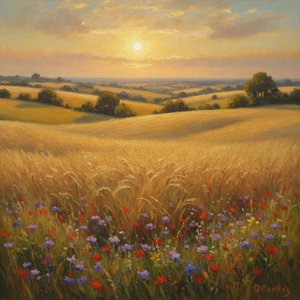
Golden Fields & Sun-Drenched Meadows: Capturing the Soul of Impressionist Landscapes
Immerse yourself in the luminous world of Impressionist landscapes. Discover how masters like Monet and Gauguin captured ephemeral light through plein air painting, and learn to bring the soul of sun-drenched meadows into your home with exquisite, hand-painted oil reproductions.

The Beauty of Impermanence: Capturing Decay through Impressionist Eyes
Explore the profound beauty of impermanence through Impressionist and Post-Impressionist eyes. Discover how masters like Monet and Van Gogh captured fleeting light and the poetic essence of nature's transitions in our deep dive into art history and emotional landscapes.

Beyond the Light: Capturing Raw Emotion and Subjective Vision in Post-Impressionist Landscapes
Explore the profound emotional depth of Post-Impressionist landscapes. Discover how masters like Van Gogh moved beyond light to capture raw human feeling through vibrant color and expressive texture in this expert art history retrospective.
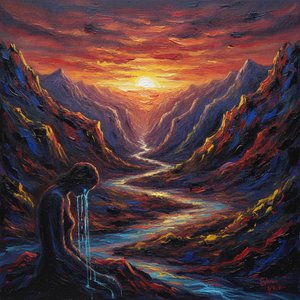
Capturing Emotion: A Journey Through the Soul of Expressionist Landscapes
Explore the profound emotional depth of Expressionist landscapes. Discover how Post-Impressionist masters moved beyond light to capture the soul through vibrant color and form. A curated journey for true art lovers seeking the beauty of expressive mastery.

Capturing the Soul: The Most Emotionally Moving Impressionist and Post-Impressionist Masterpieces
Discover the profound emotional depth of Impressionist and Post-Impressionist masterpieces. Explore how legends like Monet, Van Gogh, and Gauguin captured light and soul through evocative landscapes and vibrant brushwork for a timeless connection to art history.