


 設置イメージを確認
 送る
送る シェア
シェア
 詳細情報
詳細情報 ガイドを表示

 画像をダウンロード
 似ている作品
 X線調査
X線調査 スライドショー
 統計情報
統計情報Landscape

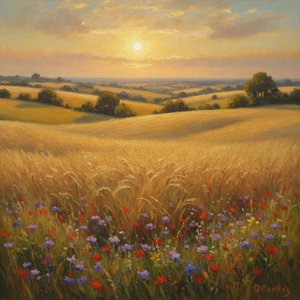
Discover 'Landscape' by Sándor Ziffer – a captivating Impressionistic painting of rural Hungary. Explore its textured brushwork & tranquil scenes. Commission unique art today!
Sándor Ziffer (1880-1962) was a Hungarian painter known for his decorative style, vibrant colors, and depictions of landscapes & town scenes. Influenced by post-impressionism & expressionism, he played a key role in modern Romanian painting.
 続きを読む
続きを読む
手描き油彩複製画
当社のアーティストが、お客様のご希望のサイズと額縁に合わせて、キャンバスに手描きで制作する油彩画です。 ( プリント版に切り替え デジタル画像販売へ切り替え)




































標準サイズ
カスタムサイズ
CM
INCH
作品のオリジナル比率に合わせた、当店の規定サイズからお選びください。
Loading sizes...

横幅
高さ
特定のフレームやスペースに合わせて、ご希望のサイズをご入力いただけます。選択されたサイズが元の画像の比率と異なる場合、アートワークをトリミングするか、手描きで要素を追加して絵画を拡張いたします。デジタルモックアップ を制作し、制作開始前にご確認(承認)をいただきます。
画面上のプレビューは、実際のトリミングや拡張を正確に反映しているものではありません。最終的な構図は、モックアップによってのみ正確にご確認いただけます。
カスタムサイズもご利用いただけますが、元の比率を維持するためには、あらかじめ用意されたリストからサイズを選択することをお勧めいたします。
カスタマイズの例:顔をお客様の写真に置き換える、ペットを追加する(例:猫を犬に変更)、背景に隠れたメッセージを入れる、背景の風景や要素を変更するなど。
ご注文後、TopImpressionists.com チームより詳細な指示をお送りするとともに、仕上がりイメージ(モックアップ)をご提供いたします。
ご注文後、TopImpressionists.com チームより詳細な指示をお送りするとともに、仕上がりイメージ(モックアップ)をご提供いたします。


 ガラスオプションは、110cm未満のサイズでのみご利用いただけます。

Landscape
再現技法
複製画サイズ一覧
-


合計金額
$ 269
関連作品


アーティストについて
A Hungarian Visionary Bridging Impressionism and Expressionism
Sándor Ziffer (1880–1962) stands as a pivotal figure in the tapestry of European art history, a painter whose brushwork served as a bridge between the fleeting light of Impressionism and the raw, emotive intensity of Expressionism. Born in the historic city of Eger, Hungary, Ziffer’s artistic soul was forged within the vibrant cultural currents of the Austro-Hungarian Empire. His work is characterized by a profound ability to capture both the external beauty of the landscape and an underlying psychological depth, often utilizing bold color palettes and meticulous contour lines that lend his compositions a unique, decorative strength.
The foundations of Ziffer’s mastery were laid through rigorous academic discipline. His journey began at the Budapest School of Arts, where he honed his fundamental skills before venturing to the prestigious Munich Academy. It was in Munich, studying under Hans-激Joachim Raupp, that Ziffer first encountered the burgeoning energy of the German avant-garde. This period of intense study was further enriched by his time at Anton Ažbe’s school in Prague, an experience that expanded his artistic vocabulary and introduced him to diverse European perspectives. Perhaps most significantly, his mentorship under Simon Hollósy in Budapest instilled in him a deep appreciation for Impressionistic techniques and the delicate interplay of tonal harmonies, elements that would become hallmarks of his mature style.
The Spirit of Nagybánya and the European Avant-Garde
From 1906 onwards, Ziffer’s artistic identity became inextricably linked to the legendary artist colony of Nagybánya. This region, a sanctuary for painters seeking inspiration in nature, acted as a vital catalyst for his experimentation. In the lush landscapes and evolving industrial scenery of Nagybánya, Ziffer began to move beyond mere observation, embracing the expressive fervor of Expressionism. His travels through the great art capitals of Europe—Paris, Berlin, and Hamburg—furthered this evolution. In Paris, he absorbed the nuances of Post-Impressionism, while in Berlin, the starker, more visceral forms of Expressionism left an indelible mark on his aesthetic sense.
As his style matured, Ziffer’s work began to exhibit a fascinating synthesis of influences. He moved fluidly between the decorative charm of Post-Impressionist color and the structural boldness of Cubism. This versatility allowed him to transform simple town scenes and landscapes into profound meditations on light and form. His membership in the MIÉNK artist group, led by Pál Szinyei Merse, placed him at the heart of a movement dedicated to modernizing Hungarian painting, ensuring his place among the most forward-thinking artists of his generation.
Legacy and Historical Significance
Ziffer’s life was marked by both profound creativity and the turbulent shifts of 20th-century history. After living in Berlin during the First World War, he returned to Nagybánya, where he eventually settled permanently in 1918. His commitment to the artistic community was not merely through his painting but also through his role as a teacher, instructing new generations of artists from 1935 to 1945. This dedication helped sustain the artistic lineage of the region during periods of immense political upheaval.
Today, Sándor Ziffer is remembered not just as a Hungarian master, but as an artist whose influence resonated across borders, playing a key role in the development of modern Romanian painting as well. His oeuvre remains a testament to the power of stylistic fusion—a collection of works where:
- Vibrant Color serves as the emotional heartbeat of his landscapes and still lifes.
- Definite Contours provide a structural elegance that prevents his expressive strokes from losing their form.
- Decorative Mastery elevates everyday subjects, such as garden scenes or portraits, into timeless works of art.
Through his ability to marry the delicate light of the past with the psychological urgency of the modern era, Ziffer remains a captivating figure for collectors and historians alike, embodying the very essence of artistic transformation.

Sándor Ziffer
1880 - 1962 , Hungary
アーティスト情報
- Artistic Movement Or Style: Post-impressionism & Expressionism
- Artists Or Movements Influenced By This Artist: ['Expressionism']
- Artists Who Influenced This Artist: ['Simon Hollósy']
- Date Of Birth: May 5, 1880
- Date Of Death: September 8, 1962
- Full Name: Sándor Ziffer
- Nationality: Hungarian
- Notable Artworks:
- Boats On The Seine
- Nagybánya Haystacks
- Landscape
- Place Of Birth: Eger, Hungary
関連記事

Enchanting Strokes: Unveiling the Luminous Magic and Timeless Soul of Impressionist Masterpieces
Immerse yourself in the luminous beauty of Impressionism. TopImpressionists.com offers exquisite, hand-painted oil reproductions of masters like Monet and Van Gogh. From museum-quality landscapes to bespoke portraits from photos, we bring timeless artistry and soul to your collection.
Golden Fields & Sun-Drenched Meadows: Capturing the Soul of Impressionist Landscapes
Immerse yourself in the luminous world of Impressionist landscapes. Discover how masters like Monet and Gauguin captured ephemeral light through plein air painting, and learn to bring the soul of sun-drenched meadows into your home with exquisite, hand-painted oil reproductions.

Whispers of Rural Serenity: A Journey Through the Enchanting Village Landscapes of Impressionism
Immerse yourself in the tranquil beauty of Impressionist village landscapes. Explore our exquisite collection of hand-painted oil reproductions, capturing the light and soul of masters like Monet and Pissarro. Bring a piece of art history into your home with TopImpressionists.com.

Beyond the Light: Capturing Raw Emotion and Subjective Vision in Post-Impressionist Landscapes
Explore the profound emotional depth of Post-Impressionist landscapes. Discover how masters like Van Gogh moved beyond light to capture raw human feeling through vibrant color and expressive texture in this expert art history retrospective.

Capturing the Soul: The Most Emotionally Moving Impressionist and Post-Impressionist Masterpieces
Discover the profound emotional depth of Impressionist and Post-Impressionist masterpieces. Explore how legends like Monet, Van Gogh, and Gauguin captured light and soul through evocative landscapes and vibrant brushwork for a timeless connection to art history.