


 設置イメージを確認
 送る
送る シェア
シェア
 詳細情報
詳細情報 ガイドを表示

 画像をダウンロード
 似ている作品
 X線調査
X線調査 スライドショー
 Q&A
Q&A 統計情報
統計情報Drawings for Dante´s Divine Comedy
 Tempera On Panel
- WallArt
- Renaissance Humanism
 Renaissance
 47.0 x 32.0 cm
 クーパーシュチッヒカビネット
Experience the ethereal grace of Sandro Botticelli's Renaissance drawings for Dante's Divine Comedy, where delicate lines and theological depth invite you to explore a profound visual masterpiece.
 続きを読む
続きを読む
フィレンツェ
イタリア
サンドロ・ボッティチェリ
アレッサンドロ・ディ・マリアーノ・フィリペピ
ルネサンス期の巨匠ボッティチェリ。代表作「ヴィーナスの誕生」や「春」は、優美な線描と神話的世界観が魅力。初期ルネサンス美術を象徴する芸術家として、今もなお多くの人々を魅了し続けています。
初期ルネサンス
プレラファエリスム協会
フラ・アンジェリコ
1445年頃
1510年
アレッサンドロ・ディ・マリアーノ・フィリペピ
イタリア人
ヴィーナスの誕生
イタリア、フィレンツェ
ローマ
3
サンドロ・ボッティチェリは、どのイタリアの都市で生まれましたか?
ジークレー/アートプリント
スピーディーな制作と多彩な仕上げオプションが魅力の、ミュージアムクオリティなジークレー・キャンバスプリント。 ( 手描きの複製画を注文する デジタル画像販売へ切り替え)




P118B ¥10

P118H ¥10

P118W ¥10

P438Z ¥10

P508JH ¥12

P508YH ¥12

P805H ¥10

P805Z ¥10

P919BZ ¥10

P919G ¥10

P919XJ ¥10

P959ZH ¥10

P968JZ ¥12

W106C ¥8

W218G ¥10

W218JH ¥8

W218Y ¥10

W307PJ ¥10

W316G ¥10

W316PJ ¥8

W316Y ¥10

W398PJ ¥8

W4111J ¥10

W500HY ¥15

W500JH ¥15

W692G ¥12

W849H ¥8

W940BG ¥15

W953PJ ¥8




標準サイズ
カスタムサイズ
CM
INCH
作品のオリジナル比率に合わせた、当店の規定サイズからお選びください。
Loading sizes...

横幅
高さ
額縁や壁のスペースに合わせて、ご希望の幅と高さを入力してください。プリントはカットすることは可能ですが、元の画像より大きくすることはできないため、異なる比率のサイズを選択された場合は、画像の一部が欠けることになります。印刷を開始する前に、内容を確認していただくためのデジタルモックアップをお送りいたします。このページに表示されている画像は、実際のカット後の状態を示すものではありません。実際の仕上がりはモックアップにてご確認ください。


 ガラスオプションは、110cm未満のサイズでのみご利用いただけます。

Drawings for Dante´s Divine Comedy
ジークレー/アートプリント
複製画サイズ一覧
-


合計金額
¥ 10856
A Visual Echo of Dante’s Epic Journey
In the delicate interplay of line and light, Sandro Botticelli’s Drawings for Dante’s Divine Comedy offer far more than a mere illustration of a literary masterpiece; they serve as a profound intellectual and artistic dialogue between poet and painter. Created around 1495-1496 under the prestigious patronage of Lorenzo di Pierfrancesco de’ Medici, these works emerged during the height of Florentine humanism. Botticelli did not simply seek to replicate the narrative beats of Dante's Inferno, Purgatorio, and Paradiso; instead, he wrestled with the monumental challenge of translating complex theological allegory and philosophical contemplation into a visual language. The result is a series of works that capture the very essence of the soul's journey through the afterlife, inviting viewers to wander through landscapes of both profound terror and celestial grace.
The composition of these drawings presents a captivating tapestry of religious and mythological elements. Within the frame, one might encounter angels poised atop rolling hills, their ethereal presence acting as silent sentinaries over the human drama unfolding below. A diverse crowd of figures—some gathered in solemn lines, others scattered in moments of individual struggle—populates the scene, creating a sense of rhythmic movement that guides the eye across the panel. This arrangement creates an intriguing visual experience, where the boundaries between the earthly and the divine become beautifully blurred, making it an ideal centerpiece for those seeking art that provokes deep thought and conversation.
Mastery of Line and the Florentine Spirit
Beyond their narrative purpose, these drawings reveal Botticelli’s unmistakable stylistic signature, characterized by a graceful fluidity and an almost otherworldly luminosity. While many of his contemporaries in Florence were moving toward bolder, more muscular forms, Botticelli maintained a devotion to disegno—the art of precise, expressive drawing. His technique, often utilizing tempera on poplar panels, allows for subtle tonal gradations that lend the figures a soft, breathing quality. The meticulous attention to detail, from the delicate folds of drapery to the emotive, searching expressions on the faces of celestial beings, demonstrates a mastery of form that serves as the foundation for his more famous paintings.
For the discerning collector or interior designer, these works represent a pinnacle of Renaissance elegance. The fine, rhythmic linework provides a sense of structural clarity, while the delicate coloration offers a warmth that can elevate any sophisticated space. Whether placed in a sunlit study or a grand gallery, a high-quality reproduction of these drawings brings with it the intellectual fervor of the Medici era. They are not merely decorations but windows into a period where art and literature were inextricably linked, offering an enduring sense of beauty, mystery, and historical depth that continues to inspire the modern eye.
よくあるご質問
ボッティチェリ作「Drawings for Dante´s Divine Comedy」は、絵画、デッサン、それとも版画のいずれでしょうか?
カタログ内では、ボッティチェリ作「Drawings for Dante´s Divine Comedy」はWallArtとして分類されています。このカテゴリーを活用することで、類似の作品を探すことができます。
「Drawings for Dante´s Divine Comedy」において、コントラストと調和はどのように組み合わさっているのでしょうか?
ボッティチェリ作「Drawings for Dante´s Divine Comedy」 の色彩分析は、Gentle なコントラストと Strong Color Unity な調和を記録しています。
ボッティチェリ作「Drawings for Dante´s Divine Comedy」の雰囲気はどのように表現されていますか?
ボッティチェリ作「Drawings for Dante´s Divine Comedy」は、その情緒においてSereneと表現されます。この分類は、作品を空間やシーンに合わせる際の手助けとなります。
アーティストについて
サンドロ・ボッティチェリ:ルネサンスの詩人画家
1445年頃、フィレンツェで生まれたアレッサンドロ・ディ・マリアーノ・ディ・ヴァンニ・フィリペピ。後にサンドロ・ボッティチェリとして知られる彼は、初期ルネサンス期の最も重要な芸術家の一人であり、その作品は美と調和の象徴として、時代を超えて人々を魅了し続けています。彼の人生は、メディチ家の庇護のもと、フィレンツェという文化の中心地で展開され、芸術、哲学、文学が花開く時代を背景に、独自の芸術世界を築き上げました。
ボッティチェリの初期の教育については詳細は不明ですが、金細工師としての修行を経て、画家フィリッポ・リッピのもとで絵画技術を習得したことが知られています。リッピの影響を受けながらも、彼は独自のスタイルを確立し、アンтонио・デル・ポーライオーロやアンドレア・デル・ヴェロッキオといった同時代の巨匠からも影響を受けました。特に、彫刻的な人物描写と、繊細な線描が特徴的であり、彼の作品に独特の魅力を生み出しました。
ボッティチェリの芸術の特徴は、その優雅で詩情豊かな表現にあります。「ヴィーナスの誕生」や「春(プリマヴェーラ)」に見られるように、古典古代の神話や寓意を題材に取り入れながら、独自の解釈と美意識に基づいた作品を生み出しました。これらの作品は、単なる物語の描写ではなく、愛、美、そして精神的な高揚といった普遍的なテーマを探求するものであり、ルネサンス期の人文主義思想を体現するものとして高く評価されています。彼の描く人物たちは、洗練された衣装を身につけ、優雅なポーズをとっており、まるで生きているかのような生命力に満ち溢れています。
ボッティチェリの作品は、その繊細な色彩と線描によって特徴づけられます。彼は、テンペラ画という技法を多用し、鮮やかな色彩と緻密な描写を実現しました。また、彼の作品には、銀筆(シルバーポイント)による下絵が施されていることが多く、その繊細なタッチは、最終的な作品の完成度を高めています。特に「ヴィーナスの誕生」におけるヴェーヌス像の肌の表現や、「春」における人物たちの衣装の描写は、彼の卓越した技術力の証と言えるでしょう。
晩年と再評価
15世紀末には、ドミニコ会の修道士ジロラモ・サヴォナローラの布教活動の影響を受け、ボッティチェリの芸術にも変化が見られます。サヴォナローラは、当時のフィレンツェにおける奢侈や退廃を厳しく非難し、宗教的な清貧と禁欲を説きました。その結果、ボッティチェリもまた、自身の作品に宗教的なテーマを取り入れ、より内省的で精神的な表現へと傾倒していったのです。
しかし、彼の晩年の作品は、当時の世情に受け入れられず、忘れ去られてしまうという憂き目に遭いました。19世紀に入り、前ラファエロ派の画家たちがボッティチェリの作品を再評価し、その芸術的な価値を広く知らしめました。彼らの熱心な支持によって、ボッティチェリはルネサンス期の最も重要な芸術家の一人として、再び脚光を浴びることになったのです。
今日、ボッティチェリの作品は、世界中の美術館に所蔵されており、多くの人々を魅了し続けています。彼の作品は、ルネサンス期における美意識と精神性を象徴するものであり、芸術史において不朽の名声を確立しています。特に「ヴィーナスの誕生」や「春」は、西洋美術の金字塔として、その地位を不動のものとしているのです。
主要作品
- ヴィーナスの誕生 (La nascita di Venere)
- 春(プリマヴェーラ)(Primavera)
- マギの礼拝 (Adorazione dei Magi)
- 神秘の受胎告知 (Natività mistica)

ボッティチェリ
1445 - 1510 , イタリア
アーティスト情報
- フルネーム: サンドロ・ボッティチェリ
- 主な作品:
- ヴィーナスの誕生
- 春の賛歌
- マギの礼拝
- 出生地: フィレンツェ(イタリア)
- 国籍: イタリア
- 影響を与えた芸術家または運動: ['プレラファエライト協会']
- 影響を受けたアーティスト:
- フラ・フィリッポ・リピ
- パオロ・ウッチョロ
- 死亡年月日: 1510年5月17日
- 生年月日: 1445年3月1日頃
- 芸術運動またはスタイル: 初期ルネサンス
関連記事
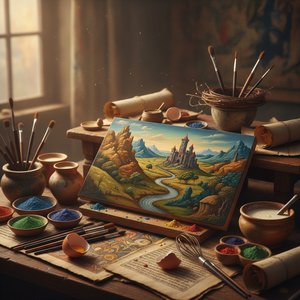
The Timeless Glow of Tempera: Discovering the Sacred Art of Egg Yolk Painting
Step into the luminous world of egg tempera painting. Explore the sacred history, meticulous techniques, and enduring glow of this medieval masterpiece medium, from illuminated manuscripts to the timeless legacy of the Old Masters.

The Timeless Glow of Tempera on Panel: A Guide to This Luminous Art Medium
Discover the luminous beauty of tempera on panel. Explore the historical techniques, egg-based alchemy, and enduring legacy of this radiant medium used by Renaissance masters to capture light and eternal grace.
テーマ、スタイル、特徴別に分類された作品を探索しましょう。


