


 設置イメージを確認
 送る
送る シェア
シェア
 詳細情報
詳細情報 ガイドを表示

 画像をダウンロード
 似ている作品
 X線調査
X線調査 スライドショー
 統計情報
統計情報Madonna and Child
 Tempera On Panel
- WallArt
- Early Renaissance
 1467
1467- Renaissance
 72.0 x 50.0 cm
 ウフィツィ美術館
A serene vision of divine grace unfolds in Sandro Botticelli's Madonna and Child, an Early Renaissance masterpiece of tender devotion and flowing lines that invites you to bring this timeless elegance into your home.
 続きを読む
続きを読む
フィレンツェ
イタリア
サンドロ・ボッティチェリ
アレッサンドロ・ディ・マリアーノ・フィリペピ
ルネサンス期の巨匠ボッティチェリ。代表作「ヴィーナスの誕生」や「春」は、優美な線描と神話的世界観が魅力。初期ルネサンス美術を象徴する芸術家として、今もなお多くの人々を魅了し続けています。
初期ルネサンス
プレラファエリスム協会
フラ・アンジェリコ
1445年頃
1510年
アレッサンドロ・ディ・マリアーノ・フィリペピ
イタリア人
ヴィーナスの誕生
イタリア、フィレンツェ
ローマ
3
サンドロ・ボッティチェリは、どのイタリアの都市で生まれましたか?
手描き油彩複製画
当社のアーティストが、お客様のご希望のサイズと額縁に合わせて、キャンバスに手描きで制作する油彩画です。 ( プリント版に切り替え デジタル画像販売へ切り替え)




P118B ¥10

P118H ¥10

P118W ¥10

P438Z ¥10

P508JH ¥12

P508YH ¥12

P805H ¥10

P805Z ¥10

P919BZ ¥10

P919G ¥10

P919XJ ¥10

P959ZH ¥10

P968JZ ¥12

W106C ¥8

W218G ¥10

W218JH ¥8

W218Y ¥10

W307PJ ¥10

W316G ¥10

W316PJ ¥8

W316Y ¥10

W398PJ ¥8

W4111J ¥10

W500HY ¥15

W500JH ¥15

W692G ¥12

W849H ¥8

W940BG ¥15

W953PJ ¥8




標準サイズ
カスタムサイズ
CM
INCH
作品のオリジナル比率に合わせた、当店の規定サイズからお選びください。
Loading sizes...

横幅
高さ
フレームや壁のスペースに合わせて、ご希望の幅と高さを入力してください。本作品は手描きのため、異なる比率のサイズをご希望の場合、絵画の周囲を少し広げて描くか、あるいは端を少しカットして調整することが可能です。お客様のご要望に合わせます。制作を開始する前に、仕上がりを確認するためのデジタルモックアップをお送りいたします。このページに表示されている画像は完成品の実物ではなく、あくまでモックアップによるイメージです。
カスタマイズの例:顔をお客様の写真に置き換える、ペットを追加する(例:猫を犬に変更)、背景に隠れたメッセージを入れる、背景の風景や要素を変更するなど。
ご注文後、TopImpressionists.com チームより詳細な指示をお送りするとともに、仕上がりイメージ(モックアップ)をご提供いたします。
ご注文後、TopImpressionists.com チームより詳細な指示をお送りするとともに、仕上がりイメージ(モックアップ)をご提供いたします。


 ガラスオプションは、110cm未満のサイズでのみご利用いただけます。

Madonna and Child
再現技法
複製画サイズ一覧
-


合計金額
¥ 42382
A Vision of Divine Grace: Botticelli’s Madonna and Child
In the heart of the Early Renaissance, a period defined by the luminous revival of classical ideals and the burgeoning spirit of humanism, Sandro Botticelli captured a moment of profound spiritual intimacy. His Madonna and Child, painted around 1467, is far more than a mere religious icon; it is an evocative window into the soul of Florence during the transformative reign of Lorenzo de Medici. The painting presents the Virgin Mary in a tender, loving embrace with the infant Jesus, a composition that transcends simple maternal affection to touch upon the very essence of divine grace. As one gazes upon the figures, there is an immediate sense of peace, a stillness that invites the viewer into a meditative state, making it an ideal centerpiece for any space seeking to evoke tranquility and timeless elegance.
The technical mastery displayed in this work reflects the meticulous precision of the Florentine school. Executed using tempera on panel, Botticelli utilized pigments mixed with egg yolk to achieve a vibrant, enduring brilliance that has resisted the fading effects of centuries. This medium allows for a delicate application of color, where every flowing line and graceful curve serves to enhance the ethereal quality of the subjects. The artist’s signature style—characterized by a rhythmic, linear elegance—is on full display here, as he employs subtle transitions of light and shadow to give volume to the figures while maintaining an almost weightless, celestial atmosphere. For the discerning collector or interior designer, this technique offers a visual richness that commands attention through its sophisticated subtlety rather than overt spectacle.
Symbolism and the Landscape of the Soul
Beyond the central figures, the painting is rich with symbolic layers that speak to the intellectual climate of the 15th century. The presence of angels flanking the Madonna adds a celestial dimension to the scene, acting as witnesses to the sacred bond between mother and child. In the background, a serene landscape unfolds, featuring soft, undulating hills reminiscent of the Umbrian countryside. This choice of setting is far from accidental; it serves as a deliberate counterpoint to the bustling urbanity of Renaissance Florence, symbolizing a realm of purity, transcendence, and eternal peace. The mountains in the distance provide a sense of depth and context, grounding the divine figures within a natural world that feels both real and idealized.
For those looking to integrate fine art into a modern interior, this masterpiece offers a unique opportunity to blend historical depth with aesthetic beauty. Whether placed in a sunlit gallery or a quiet study, the Madonna and Child brings with it an aura of sophisticated heritage. The painting’s ability to harmonize the human emotion of motherhood with the grander themes of religious devotion makes it a versatile and emotionally resonant choice. It is not merely a reproduction of a historical artifact, but a piece of living history that continues to inspire awe, offering a sense of continuity and grace to any curated collection.
よくあるご質問
ボッティチェリ作「Madonna and Child」の彩度や色の強さはどのような感じでしょうか?
ボッティチェリ作「Madonna and Child」は、Subtle Colorの彩度とBalancedの強烈な色彩で記録されています。
ボッティチェリ作「Madonna and Child」で主役となっている色は何ですか?
ボッティチェリ作「Madonna and Child」の色彩表現:Putty (#f2e1b1)を基調とした、Earthyなパレット。
ボッティチェリ作「Madonna and Child」 の全体を貫く基調となる色は何ですか?
「Madonna and Child」はGolden Yellow Rangeの色調が際立っています。
アーティストについて
サンドロ・ボッティチェリ:ルネサンスの詩人画家
1445年頃、フィレンツェで生まれたアレッサンドロ・ディ・マリアーノ・ディ・ヴァンニ・フィリペピ。後にサンドロ・ボッティチェリとして知られる彼は、初期ルネサンス期の最も重要な芸術家の一人であり、その作品は美と調和の象徴として、時代を超えて人々を魅了し続けています。彼の人生は、メディチ家の庇護のもと、フィレンツェという文化の中心地で展開され、芸術、哲学、文学が花開く時代を背景に、独自の芸術世界を築き上げました。
ボッティチェリの初期の教育については詳細は不明ですが、金細工師としての修行を経て、画家フィリッポ・リッピのもとで絵画技術を習得したことが知られています。リッピの影響を受けながらも、彼は独自のスタイルを確立し、アンтонио・デル・ポーライオーロやアンドレア・デル・ヴェロッキオといった同時代の巨匠からも影響を受けました。特に、彫刻的な人物描写と、繊細な線描が特徴的であり、彼の作品に独特の魅力を生み出しました。
ボッティチェリの芸術の特徴は、その優雅で詩情豊かな表現にあります。「ヴィーナスの誕生」や「春(プリマヴェーラ)」に見られるように、古典古代の神話や寓意を題材に取り入れながら、独自の解釈と美意識に基づいた作品を生み出しました。これらの作品は、単なる物語の描写ではなく、愛、美、そして精神的な高揚といった普遍的なテーマを探求するものであり、ルネサンス期の人文主義思想を体現するものとして高く評価されています。彼の描く人物たちは、洗練された衣装を身につけ、優雅なポーズをとっており、まるで生きているかのような生命力に満ち溢れています。
ボッティチェリの作品は、その繊細な色彩と線描によって特徴づけられます。彼は、テンペラ画という技法を多用し、鮮やかな色彩と緻密な描写を実現しました。また、彼の作品には、銀筆(シルバーポイント)による下絵が施されていることが多く、その繊細なタッチは、最終的な作品の完成度を高めています。特に「ヴィーナスの誕生」におけるヴェーヌス像の肌の表現や、「春」における人物たちの衣装の描写は、彼の卓越した技術力の証と言えるでしょう。
晩年と再評価
15世紀末には、ドミニコ会の修道士ジロラモ・サヴォナローラの布教活動の影響を受け、ボッティチェリの芸術にも変化が見られます。サヴォナローラは、当時のフィレンツェにおける奢侈や退廃を厳しく非難し、宗教的な清貧と禁欲を説きました。その結果、ボッティチェリもまた、自身の作品に宗教的なテーマを取り入れ、より内省的で精神的な表現へと傾倒していったのです。
しかし、彼の晩年の作品は、当時の世情に受け入れられず、忘れ去られてしまうという憂き目に遭いました。19世紀に入り、前ラファエロ派の画家たちがボッティチェリの作品を再評価し、その芸術的な価値を広く知らしめました。彼らの熱心な支持によって、ボッティチェリはルネサンス期の最も重要な芸術家の一人として、再び脚光を浴びることになったのです。
今日、ボッティチェリの作品は、世界中の美術館に所蔵されており、多くの人々を魅了し続けています。彼の作品は、ルネサンス期における美意識と精神性を象徴するものであり、芸術史において不朽の名声を確立しています。特に「ヴィーナスの誕生」や「春」は、西洋美術の金字塔として、その地位を不動のものとしているのです。
主要作品
- ヴィーナスの誕生 (La nascita di Venere)
- 春(プリマヴェーラ)(Primavera)
- マギの礼拝 (Adorazione dei Magi)
- 神秘の受胎告知 (Natività mistica)

ボッティチェリ
1445 - 1510 , イタリア
アーティスト情報
- フルネーム: サンドロ・ボッティチェリ
- 主な作品:
- ヴィーナスの誕生
- 春の賛歌
- マギの礼拝
- 出生地: フィレンツェ(イタリア)
- 国籍: イタリア
- 影響を与えた芸術家または運動: ['プレラファエライト協会']
- 影響を受けたアーティスト:
- フラ・フィリッポ・リピ
- パオロ・ウッチョロ
- 死亡年月日: 1510年5月17日
- 生年月日: 1445年3月1日頃
- 芸術運動またはスタイル: 初期ルネサンス
関連記事

The Timeless Glow of Tempera on Panel: A Guide to This Luminous Art Medium
Discover the luminous beauty of tempera on panel. Explore the historical techniques, egg-based alchemy, and enduring legacy of this radiant medium used by Renaissance masters to capture light and eternal grace.
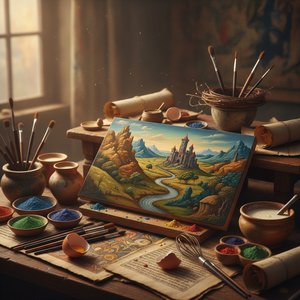
The Timeless Glow of Tempera: Discovering the Sacred Art of Egg Yolk Painting
Step into the luminous world of egg tempera painting. Explore the sacred history, meticulous techniques, and enduring glow of this medieval masterpiece medium, from illuminated manuscripts to the timeless legacy of the Old Masters.
テーマ、スタイル、特徴別に分類された作品を探索しましょう。


