

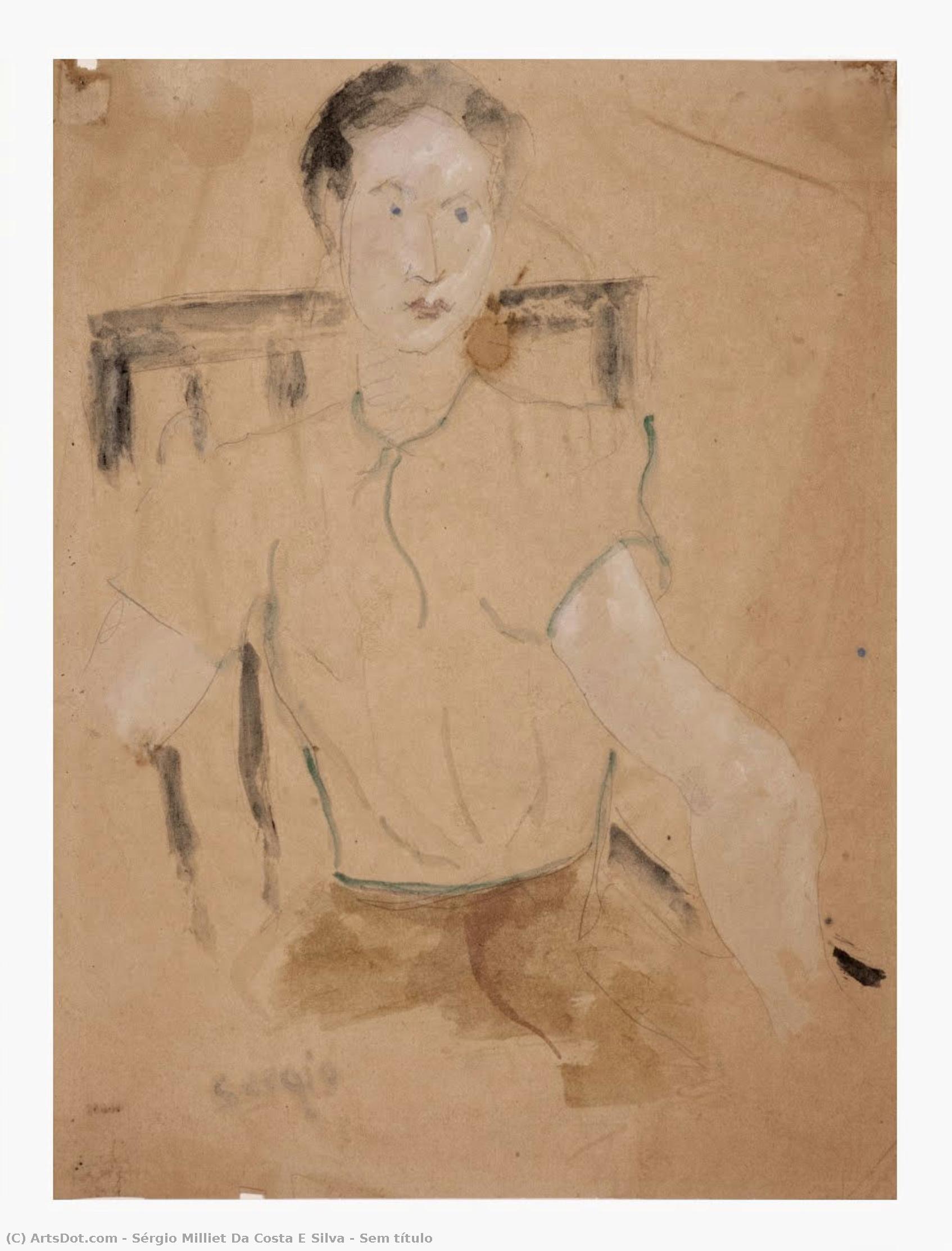
オンラインプレビューをはるかに凌ぐ、高解像度で鮮明なデジタル画像をご購入いただけます。
各ファイルは、社内の専門家が高度なツールと熟練した手作業によるレタッチを用いて、細心の注意を払って準備されています。すべての画像において、卓越した鮮明度、正確な色彩再現性、そして繊細なディテールを保証いたします。
最終ファイルは、プロフェッショナルな編集・印刷環境ですぐにご利用いただけるよう最適化された状態で、72時間以内にメールにてお届けいたします。これは、一流のデザインスタジオ、出版社、ギャラリーから信頼されているものと同等の品質です。
TopImpressionists.com を選ぶことは、単に画像を手に入れることではありません。それは、プロの手によって精密に仕上げられ、満足保証が付いた高品質なデジタルアートワークを受け取ることを意味します。ご注文いただいた際に自動的に付随する内容は、以下の通りです:

ご注文から72時間以内に、高解像度のデジタル画像ファイルがメールでお手元に届きます。すぐにそのままご利用いただけます。

お客様の作品は、高度なAIツールと専門家による手作業の編集を組み合わせてプロフェッショナルに最適化されており、細部のディテール、鮮明さ、そして正確な色再現性を最大限に引き出しています。

ファイルを誤って削除したり、紛失してしまったりしましたか?ご安心ください。いつでも無料で再送いたします。

関税や手数料、配送料を気にすることなく、お気に入りのアートワークをすぐにお楽しみいただけます。デジタルダウンロードは常に免税です。

プロ仕様のツールとカラーマネジメント技術を用いることで、デジタル画像が元の色を最大限に忠実に再現することを保証いたします。

ご購入いただいたデジタル画像にご満足いただけない場合は、60日以内であれば、修正または100%の返金(理由を問う必要はありません)をさせていただきます。

ご満足いただけない場合は、デジタルファイルを受け取ってから60日以内であれば、理由を問わず全額返金いたします。

3枚購入で10%OFF - 5枚購入で15%OFF - 10枚以上購入で20%OFF。クリエイティブなプロジェクト、ギャラリー、エージェンシーに最適です。
Born in Leeuwarden, Netherlands, in 1898, Maurits Cornelis Escher was a graphic artist whose extraordinary talent defied conventional categorization. Initially dismissed as a minor figure within the art world, particularly in his native country, Escher’s meticulous and mathematically-driven creations have since achieved global recognition, captivating audiences with their intricate illusions and profound explorations of perception, space, and infinity. His legacy rests not just on the beauty of his work but also on its intellectual rigor – a testament to a mind that seamlessly blended artistic vision with scientific precision.
Escher’s early life offered little indication of the extraordinary career he would forge. He initially pursued architecture at the Haarlem Academy of Fine Arts, yet quickly abandoned this path to dedicate himself entirely to drawing and printmaking. This shift was fueled by a deep fascination with the possibilities inherent in these mediums, particularly their ability to represent three-dimensional space on a two-dimensional surface. His early works were heavily influenced by nature – detailed studies of insects, landscapes, and plants, meticulously rendered with an almost obsessive attention to detail. These observations served as the foundation for his later explorations into geometric principles and impossible constructions.
A pivotal moment in Escher’s career arrived during World War II. Recognizing the need for visual communication amidst the chaos of conflict, he began producing a series of drawings depicting scenes of Londoners sheltering from the Blitz. These “Shelter Drawings,” characterized by their stark realism and poignant portrayal of human resilience, gained widespread popularity and brought Escher to the attention of a broader public. This period also solidified his commitment to using art as a means of engaging with contemporary issues and reflecting on the human condition.
Escher’s work is fundamentally rooted in mathematics, particularly concepts like tessellations, infinity, perspective, symmetry, and impossible objects. He wasn't a mathematician by training, but he possessed an innate ability to grasp complex mathematical ideas and translate them into visual form. His fascination with the patterns found in nature – from the hexagonal structure of honeycombs to the repeating spirals of seashells – provided endless inspiration for his designs. He meticulously researched and experimented with various geometric principles, constantly pushing the boundaries of what was visually possible.
Key to Escher’s success was his mastery of printmaking techniques. He skillfully employed woodcuts, lithographs, and mezzotints to create intricate details and achieve a remarkable level of precision. His prints are not merely decorative; they are carefully constructed visual puzzles that challenge the viewer's perception of reality. Works like “Hand with Reflecting Sphere,” “Drawing Hands,” “Relativity,” and “Waterfall” exemplify this perfectly, presenting seemingly impossible scenarios that invite contemplation and reward repeated viewing.
While Escher’s work is undeniably unique, it was shaped by a diverse range of influences. Early exposure to the art of Michelangelo, Leonardo da Vinci, Dürer, and Holbein instilled in him a deep appreciation for technical skill and artistic mastery. He also drew inspiration from the works of Giorgio de Chirico, whose surrealist paintings introduced him to the concept of juxtaposing disparate elements within a dreamlike space. Crucially, Escher maintained close relationships with leading mathematicians such as George Pólya, Roger Penrose, and Donald Coxeter, engaging in intellectual discussions that further informed his artistic explorations.
His collaboration with these brilliant minds allowed him to delve deeper into the mathematical underpinnings of his work, particularly the concept of tessellations – the art of covering a plane with repeating shapes without gaps or overlaps. Escher’s research into this area led to groundbreaking discoveries and ultimately cemented his reputation as an artist who seamlessly integrated mathematics and art.
For much of his life, Escher remained largely unrecognized by the mainstream art world. It wasn't until the late 20th century that his work began to receive widespread acclaim, culminating in retrospectives at museums around the globe. Today, Maurits Cornelis Escher is celebrated as one of the most innovative and influential graphic artists of the 20th century – a true visionary who demonstrated the power of imagination, precision, and mathematical insight.
His work continues to inspire artists, mathematicians, and scientists alike, serving as a reminder that the boundaries between disciplines are often permeable and that the pursuit of knowledge can lead to extraordinary creative achievements. Escher’s legacy lies not only in his stunning visual creations but also in his ability to challenge our perceptions of reality and invite us to explore the infinite possibilities within the confines of our own minds.

1898 - 1966 , Brazil


最新の美術ニュース、限定オファー、そしてインテリアのアイデアをいち早くお届けします。
お客様のプロジェクトについてお聞かせください。当社の美術専門家が、お客様に合わせた3つのパーソナライズされた芸術提案をご提供いたします。
あなたにぴったりの3作品を無料で厳選いたします
 プリントを購入
 シェアする
シェアする シェアする
シェアする
 詳細を見る
詳細を見る

 ダウンロード
 似ている作品
 X線調査
X線調査 スライドショー
 詳細を見る
詳細を見る