設置イメージを確認
 送る
送る シェア
シェア
 詳細情報
詳細情報 ガイドを表示

 画像をダウンロード
 似ている作品
 X線調査
X線調査 スライドショー
 統計情報
統計情報Florence
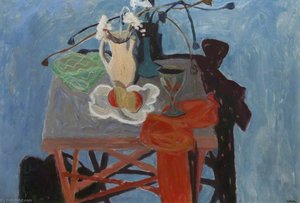
 Acrylic On Canvas
- WallArt
- Cubist Modernism
 1924
1924 66.0 x 91.0 cm
 Royal Scottish Academy of Art - Architecture
Sir William George Gillies’ "Florence" captures the vibrant Italian city with its iconic bridge and bustling scene. A stunning example of his artistic style, this painting showcases a beautiful representation of Florence's charm.
 続きを読む
続きを読む
W.G.ギリーズは、スコットランドの風景と静物画で知られる画家。キュビズムの影響を受けながらも独自のスタイルを確立し、「1922グループ」にも参加。エディンバラ美術大学での教育活動を通じ、20世紀のスコットランド絵画に大きな影響を与えました。
このページに掲載されている作品は著作権法によって保護されており、当社の許可なく同一の複製物を制作または販売することは法律で禁じられています。この保護は、以下のような国際条約に基づき執行されます。 ベルヌ条約 および、以下の条項に定められたものを含む各国の法律により、 米国著作権法 第17編。
この手法は、著作権で保護された作品の複製や複写を伴わないため、著作権法に完全に準拠しています。これは単なる模倣ではなく、創造的な再解釈です。元の作品からインスピレーションを受けつつも、それとは異なる、全く新しい絵画を生み出すものです。
ジークレー/アートプリント
スピーディーな制作と多彩な仕上げオプションが魅力の、ミュージアムクオリティなジークレー・キャンバスプリント。 ( 手描きの複製画を注文する デジタル画像販売へ切り替え)




P118B ¥10

P118H ¥10

P118W ¥10

P438Z ¥10

P508JH ¥12

P508YH ¥12

P805H ¥10

P805Z ¥10

P919BZ ¥10

P919G ¥10

P919XJ ¥10

P959ZH ¥10

P968JZ ¥12

W106C ¥8

W218G ¥10

W218JH ¥8

W218Y ¥10

W307PJ ¥10

W316G ¥10

W316PJ ¥8

W316Y ¥10

W398PJ ¥8

W4111J ¥10

W500HY ¥15

W500JH ¥15

W692G ¥12

W849H ¥8

W940BG ¥15

W953PJ ¥8




標準サイズ
カスタムサイズ
CM
INCH
作品のオリジナル比率に合わせた、当店の規定サイズからお選びください。
Loading sizes...

横幅
高さ
額縁や壁のスペースに合わせて、ご希望の幅と高さを入力してください。プリントはカットすることは可能ですが、元の画像より大きくすることはできないため、異なる比率のサイズを選択された場合は、画像の一部が欠けることになります。印刷を開始する前に、内容を確認していただくためのデジタルモックアップをお送りいたします。このページに表示されている画像は、実際のカット後の状態を示すものではありません。実際の仕上がりはモックアップにてご確認ください。


 ガラスオプションは、110cm未満のサイズでのみご利用いただけます。

Florence
ジークレー/アートプリント
複製画サイズ一覧
-


合計金額
¥ 10870
The Heart of Tuscany Captured: An Exploration of Gillies’ “Florence”
William George Gillies' "Florence," painted in 1924, isn’t merely a depiction of an Italian city; it’s a vibrant distillation of its spirit – a testament to the enduring beauty and bustling life of one of Europe’s most historically significant urban centers. This captivating canvas transports us directly to the heart of Tuscany, offering a glimpse into a world brimming with energy, commerce, and artistic resonance. The painting immediately draws the eye towards the graceful bridge that dominates the composition, its arched form acting as a visual anchor amidst the dynamic scene below. This isn’t a photographic representation; rather, Gillies employs a masterful blend of observation and imagination to create an atmosphere thick with movement and light.
Gillies, a key figure in the 1922 Group – a collective dedicated to promoting modern art in Scotland – was deeply influenced by both the Impressionists and the burgeoning Cubist movement. His early travels to Paris and Italy exposed him to these revolutionary styles, which he skillfully integrated into his own distinctive approach. “Florence” showcases this evolution; while retaining elements of traditional landscape painting, it’s imbued with a sense of fractured perspective and flattened planes reminiscent of Cubism, particularly in the treatment of the buildings lining the riverbank. The careful layering of color and brushstrokes creates an illusion of depth, inviting the viewer to lose themselves within the bustling cityscape.
A Symphony of Color and Light
The painting’s palette is remarkably rich and evocative. Gillies masterfully utilizes a range of warm ochres, deep blues, and vibrant reds to capture the essence of Florentine light. The sun, though not explicitly depicted, casts a golden glow across the scene, illuminating the reflections shimmering on the river's surface. Notice how he employs broken color – small dabs and strokes of contrasting hues – to suggest texture and form, particularly in the details of the buildings and boats. This technique adds a dynamic quality to the composition, preventing it from feeling static or overly formal.
- Dominant Colors: Warm ochres, deep blues, vibrant reds, and touches of green.
- Light & Shadow: Gillies expertly utilizes light and shadow to create a sense of depth and atmosphere.
- Brushwork: Loose, expressive brushstrokes contribute to the painting’s dynamic feel.
Symbolism and Historical Context
Beyond its aesthetic qualities, “Florence” is steeped in historical significance. The city itself represents a pivotal moment in Western civilization – the birthplace of the Renaissance, a period marked by an unprecedented flourishing of art, science, and culture. The bridge, a recurring motif in Gillies’ work, symbolizes connection and transition, linking the past with the present. The numerous boats navigating the river evoke the importance of trade and commerce to Florence's prosperity during this era. Furthermore, the painting subtly references the city’s architectural grandeur – the imposing buildings lining the riverbank are reminiscent of the palaces and churches that define Florence’s iconic skyline.
Painted in 1924, “Florence” reflects a period of renewed interest in classical art and culture following World War I. Gillies' work embodies a spirit of optimism and renewal, capturing the vibrant energy of a city poised to embrace the future while honoring its rich heritage. The painting’s enduring appeal lies not only in its technical brilliance but also in its ability to transport us back in time and evoke the timeless beauty of Florence.
Bringing “Florence” Home: A Reproduction for Your Space
TopImpressionists offers meticulously crafted, hand-painted reproductions of William George Gillies’ "Florence," ensuring that you can experience the full impact of this remarkable artwork within your own home. Our skilled artisans use traditional techniques and high-quality materials to faithfully recreate Gillies' unique style and color palette. Whether you are an art collector, a design enthusiast, or simply someone seeking to add a touch of timeless elegance to your space, our reproduction of “Florence” is the perfect choice. It’s more than just a print; it’s a window into the heart of Tuscany, capturing the spirit and beauty of one of the world's most beloved cities.
よくあるご質問
ウィリアム・ジョージ・ギリーズは何歳の時に「Florence」を制作しましたか?
1924年に「Florence」が制作された際、1898年生まれのウィリアム・ジョージ・ギリーズは26歳でした。
「Florence」の中で、最も際立っている色はどれですか?
ウィリアム・ジョージ・ギリーズ作「Florence」の主色(メインカラー)はEspresso (#513e27)です。
ウィリアム・ジョージ・ギリーズ作「Florence」に関する統計情報はどこで確認できますか?
「Florence」には、専用の統計情報ページがあります。このページでは、その作品およびアーティストの他の作品の月間訪問者数を、国別・言語別の内訳とともにグラフで表示しています。
アーティストについて
ウィリアム・ジョージ・ギリーズ:スコットランド美術における生涯
1898年、東ロシアン地方のハaddingtonで生まれたウィリアム・ジョージ・ギリーズは、20世紀スコットランド美術を代表する画家の一人として知られています。彼の作品は、初期モダニズムと独特なスコットランドの芸術的アイデンティティとの架け橋となり、その繊細な色彩感覚と風景描写は、多くの人々を魅了し続けています。
ギリーズの芸術への道は、エディンバラ美術大学への入学から始まりました。しかし、第一次世界大戦が勃発すると、彼は王立工兵隊に入隊し、学業は中断せざるを得ませんでした。戦後、彼は再びエディンバラ美術大学に戻り、卒業後は40年以上にわたり同大学で献身的に教鞭を執ることになります。彼の教育者としての側面も、スコットランドの美術界に大きな影響を与えた重要な要素です。
芸術的発展と影響
1923年、ギリーズはパリでアンドレ・ロートのもとでキュビズムを学び、さらにイタリアへの旅行を通して芸術的な視野を広げました。初期の作品、「Two Pots, Saucer and Fruit」(1933)などは、セザンヌに影響を受けた構成と、ブラックやピカソのような控えめな色彩パレットが特徴的です。しかし、彼の芸術における転換点は、1934年にポール・クレーの作品に出会ったことでした。クレーの作品は、ギリーズに色彩のより想像力豊かな使い方と、子供のような素朴さを取り入れることを促し、彼の作風に大きな変化をもたらしました。
厳格なキュビズムから徐々に離れるにつれて、ギリーズはスコットランドの風景や静物画の伝統を根底とした独自のスタイルを確立していきました。彼は、ロシアン地方、ファイフ地方、ボーダー地方などのスコットランドの風景を繊細な眼差しで捉え、その本質を描き出しました。
1922グループと協調性
ギリーズは、1922年にウィリアム・クロジエ、ウィリアム・ガイッスラー、ウィリアム・マクタガートらと共に“1922グループ”を設立しました。この展覧会協会は、新進気鋭のスコットランド人アーティストが作品を発表するためのプラットフォームとして、10年間エディンバラのニューギャラリーで活動しました。グループは、スコットランド美術界におけるコミュニティ意識と革新性を育み、新たな才能の発掘に貢献しました。
テーマと主題
風景画: ギリーズは、ロシアン地方、ファイフ地方、ボーダー地方のスコットランドの風景を描いた作品で広く知られています。彼は、これらの風景の本質を繊細な眼差しで捉え、その美しさを表現しました。
静物画: 静物画もまた、彼の重要なテーマの一つであり、妹のエマ・スミス・ギリーズが制作した陶器が頻繁に登場します。妹の若すぎる死は、彼に深い影響を与え、その作品にも反映されています。
肖像画: 彼は初期には肖像画も試みましたが、風景画と静物画が彼の主要な主題となりました。特に、妹のエマ・スミス・ギリーズの陶器をモチーフにした静物画は、彼自身の感情や記憶を表現する手段として重要な役割を果たしました。
主な功績と評価
ギリーズは1959年から1966年までエディンバラ美術大学の校長を務めました。彼の多大な業績と教育への献身は、スコットランドの画家たちに深い影響を与えました。彼は王立アカデミー会員(RA)に選出され、芸術界における重要な地位を確立しました。
歴史的意義と遺産
ウィリアム・ジョージ・ギリーズは、スコットランドで最も重要な20世紀の画家の一人とされています。彼の作品は、初期モダニズムと独特なスコットランドの芸術的アイデンティティとの架け橋となり、その美しさ、繊細さ、そして永続的な関連性は、今日でも多くの人々を魅了し続けています。
遺産: 彼の影響は、絵画にとどまらず、教育と指導を通してスコットランド美術の方向性を形作りました。1973年に彼は亡くなりましたが、その豊かな作品群は、今もなお称賛され、愛されています。

ウィリアム・ジョージ・ギリーズ
1898 - 1973 , イギリス
アーティスト情報
- Artistic Movement Or Style: キュビズム、スコットランド派
- Artists Who Influenced This Artist:
- アンドレ・ロート
- セザンヌ
- ブラック
- ピカソ
- ポール・クレー
- Date Of Birth: 1898年
- Date Of Death: 1973年
- Full Name: ウィリアム・ジョージ・ギリーズ卿
- Nationality: スコットランド人
- Notable Artworks (List Of Titles): ['Two Pots, Saucer and Fruit']
- Place Of Birth (City And Country): ハディントン、イギリス
関連記事

ハドソン・リバー派を彩る至宝:10選が示すアメリカ絵画の黄金時代
ハドソン・リバー派の至宝10選を紐解き、アメリカ絵画の黄金時代へ。壮大な自然描写と巨匠たちの技が織りなす感動の世界を体験してください。トーマス・コールからチャーチまで、TopImpressionists.comで高品質なアートプリントとインテリアアイデアを見つけましょう。

ロマン派ランドスケープ:時代を彩る巨匠の10選|アートとインテリアの世界
ロマン派絵画の時代を彩る10選。巨匠たちの風景が織りなす感動の世界へ。ターナー、ルーベンスなど、名作の裏話と高精細複製でアートをお部屋に。TopImpressionists.comで至福のアート体験を。

ジョン・コンスタブルの傑作25選:英国風景画の巨匠が描く自然と光の詩 | TopImpressionists
ジョン・コンスタブルの傑作25選。英国風景画の巨匠が描く自然と光の詩の世界へ。ロマン主義を代表する絵画、デダム・ヴェールやヘイ・ウェインなど、TopImpressionistsで高品質なアートプリントをお楽しみください。インテリアに深みと感動を。コレクションはこちら。

Evocations of Place: A Historical Journey Through Landscape Art
Explore the rich history of landscape art with TopImpressionists. Discover renowned artists, movements like Impressionism & tonalism, and expert guidance for collecting timeless pieces. Find your perfect serene escape today!

Evocations of Place: A Historical Journey Through Landscape Art
Explore the rich history of landscape art with TopImpressionists. Discover renowned artists, movements like Impressionism & Romanticism, and expert guidance for collecting timeless pieces. Find your perfect serene escape today!
テーマ、スタイル、特徴別に分類された作品を探索しましょう。