


 設置イメージを確認
 送る
送る シェア
シェア
 詳細情報
詳細情報 ガイドを表示

 画像をダウンロード
 似ている作品
 X線調査
X線調査 スライドショー
 統計情報
統計情報Hawking
 Acrylic On Canvas
- WallArt
 1902
1902- 19th Century
 120.0 x 104.0 cm
 National Trust
 続きを読む
続きを読む
手描き油彩複製画
当社のアーティストが、お客様のご希望のサイズと額縁に合わせて、キャンバスに手描きで制作する油彩画です。 ( プリント版に切り替え デジタル画像販売へ切り替え)




P118B ¥10

P118H ¥10

P118W ¥10

P438Z ¥10

P508JH ¥12

P508YH ¥12

P805H ¥10

P805Z ¥10

P919BZ ¥10

P919G ¥10

P919XJ ¥10

P959ZH ¥10

P968JZ ¥12

W106C ¥8

W218G ¥10

W218JH ¥8

W218Y ¥10

W307PJ ¥10

W316G ¥10

W316PJ ¥8

W316Y ¥10

W398PJ ¥8

W4111J ¥10

W500HY ¥15

W500JH ¥15

W692G ¥12

W849H ¥8

W940BG ¥15

W953PJ ¥8




標準サイズ
カスタムサイズ
CM
INCH
作品のオリジナル比率に合わせた、当店の規定サイズからお選びください。
Loading sizes...

横幅
高さ
フレームや壁のスペースに合わせて、ご希望の幅と高さを入力してください。本作品は手描きのため、異なる比率のサイズをご希望の場合、絵画の周囲を少し広げて描くか、あるいは端を少しカットして調整することが可能です。お客様のご要望に合わせます。制作を開始する前に、仕上がりを確認するためのデジタルモックアップをお送りいたします。このページに表示されている画像は完成品の実物ではなく、あくまでモックアップによるイメージです。
カスタマイズの例:顔をお客様の写真に置き換える、ペットを追加する(例:猫を犬に変更)、背景に隠れたメッセージを入れる、背景の風景や要素を変更するなど。
ご注文後、TopImpressionists.com チームより詳細な指示をお送りするとともに、仕上がりイメージ(モックアップ)をご提供いたします。
ご注文後、TopImpressionists.com チームより詳細な指示をお送りするとともに、仕上がりイメージ(モックアップ)をご提供いたします。


 ガラスオプションは、110cm未満のサイズでのみご利用いただけます。

Hawking
再現技法
複製画サイズ一覧
-


合計金額
¥ 42377
The Enigmatic Figure of Hawking
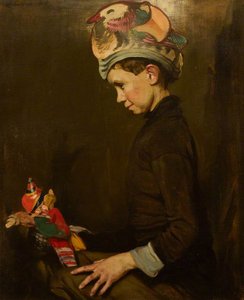
William Nicholson’s “Hawking,” painted in 1902, isn't merely a portrait; it’s a carefully constructed tableau of Victorian sensibilities layered with subtle anxieties and burgeoning modernity. The subject, a young boy holding a bird on his arm while accompanied by two dogs, immediately evokes a sense of domesticity—a scene seemingly plucked from the heart of Edwardian England. Yet, closer inspection reveals a complex interplay of elements that hint at deeper currents beneath the surface of this carefully arranged image. The boy’s posture is slightly awkward, his gaze averted, suggesting a quiet introspection or perhaps a touch of unease. The bird he cradles, likely a finch, symbolizes freedom and innocence, but its presence within the confines of the scene introduces an element of fragility and vulnerability.
A Collaboration Born of Artistic Vision
“Hawking” was a product of a remarkable artistic partnership between Nicholson and James Pryde, known collectively as the Beggarstaffs. This duo revolutionized illustration in the late 19th and early 20th centuries by employing a distinctive style characterized by bold lines, flattened perspectives, and a deliberately unpolished aesthetic. Their work rejected the fussy detail of academic portraiture, opting instead for a more immediate and dynamic approach. Nicholson’s contribution to this project was crucial; he brought a sophisticated understanding of composition and characterization, while Pryde provided the technical expertise in woodcut and lithography. The Beggarstaffs' style reflected a shift away from traditional illustration towards a more journalistic and evocative form of visual storytelling.
The Victorian Context: Restraint and Subversion
To fully appreciate “Hawking,” it’s essential to understand the broader context of Victorian England. The era was marked by strict social conventions, rigid moral codes, and a profound sense of propriety. Yet, beneath this veneer of respectability lay currents of change—industrialization, urbanization, and growing anxieties about modernity. Nicholson subtly captures these tensions within his painting. The dogs, symbols of loyalty and domesticity, are juxtaposed with the boy’s withdrawn demeanor, hinting at a disconnect between traditional values and emerging individualistic sensibilities. The inclusion of the bird, representing freedom, further underscores this subtle subversion of Victorian norms.
Symbolism and Emotional Resonance
Beyond its stylistic merits, “Hawking” is rich in symbolic meaning. The boy’s posture suggests a sense of isolation or perhaps a questioning of authority—a common theme in the literature of the period. The bird, as mentioned earlier, represents innocence and vulnerability, while the dogs embody loyalty and companionship. The overall composition creates a feeling of quiet contemplation, inviting the viewer to ponder the complexities of human relationships and the challenges of navigating a rapidly changing world. Nicholson’s masterful use of light and shadow further enhances the painting's emotional impact, creating a sense of depth and atmosphere that draws the eye inward.
A Legacy of Artistic Innovation
Sir William Nicholson’s “Hawking” stands as a testament to his artistic versatility and his ability to capture the spirit of his time. It is a remarkable example of Beggarstaff illustration, blending technical skill with evocative storytelling. Reproductions of this painting offer a captivating glimpse into Victorian England—a world of restrained elegance, hidden anxieties, and burgeoning modernity. Its enduring appeal lies in its ability to resonate with viewers on multiple levels, inviting them to contemplate the complexities of human experience and the timeless themes that continue to shape our understanding of ourselves and the world around us.
よくあるご質問
「Hawking」はどの時代に制作されたものですか?
ウィリアム・ニコルソン作「Hawking」の制作年代は19th Centuryです。この分類により、美術史における本作の位置付けが明確になります。
「Hawking」の色使いは、鮮やかでしょうか、それとも淡い感じでしょうか?
ウィリアム・ニコルソン作「Hawking」は、Balancedな色彩の強さを備えています。
ウィリアム・ニコルソン作「Hawking」 の基調となる色は何ですか?
「Hawking」の中で最も際立っている色はWalnut (#603d06)です。作品の主色(メインカラー)を知ることは、インテリアとのコーディネートを考える際に役立ちます。


アーティストについて
初期の生活と芸術的萌芽
ウィリアム・ニューザム・プライア・ニコルソンは、1872年にノーワーク=オン=トレントで生まれました。彼の出自は、産業の実用主義と芸術的な感受性を融合させたものでした。成功したエンジニアであり保守党の国会議員であった父は、彼に規律を植え付けました。一方、母方の血筋はオックスフォードシャーの美学的な伝統と繋がっていました。幼い頃からニコルソンは美術の才能を示し、地元の画家ウィリアム・カブリーからの指導を受けました。カブリー自身も、サー・ジョシュア・レイノルズに遡る芸術的ルーツを持っていました。この初期の経験は、多様なメディアとスタイルを網羅するキャリアの基礎を築きました。ハーバート・フォン・ヘルコマーの美術学校での短い在学期間は、彼の技術を磨くだけでなく、後に妻となるメイベル・プライドを紹介するという重要な転機となりました。メイベルを通して彼は彼女の兄ジェームズ・プライドと出会い、この出会いがやがてグラフィックデザインの世界に革命をもたらすパートナーシップへと発展することになります。ベガースタッフとポスターアートにおける革新
ウィリアム・ニコルソンとジェームズ・プライドのコラボレーション、「J.&W. ベガースタッフ」は、イギリスの視覚文化に転換点をもたらしました。彼らは、従来のヴィクトリア朝のポスターが持つ華麗な美学を拒否し、鮮やかなシルエット、平坦な色彩面、そして伝統的な遠近法の意図的な排除を特徴とする大胆なシンプルさを採用しました。彼らのデザインは単なる広告ではありませんでした。それは声明であり、人々の想像力を捉えた力強いグラフィック構成でした。『ドン・キホーテ』や『ハーパーズ・マガジン』などの作品のポスターは瞬く間に認識され、次世代のアーティストやデザイナーに影響を与えました。この時期は商業美術にとどまらず、視覚コミュニケーションそのものを再定義しようとする試みでした。ベガースタッフの仕事は慣習に挑戦し、モダンなグラフィックデザインへの道を開き、ニコルソンの革新者としての地位を確立しました。彼らの影響はポスターの世界を超え、強いフォルムと意図的な構成を重視する絵画やイラストにも波及しました。木版画から肖像画へ:発展し続けるスタイル
ベガースタッフ・パートナーシップの解消後、ニコルソンはスタイルの探求期間に入りました。彼は木版画と木彫りに目を向け、線とフォルムをさらに洗練させるための技術でした。影響力のあるジェームズ・マクニール・ホイストラーに促され、彼はこれらの技法を取り入れ、最小限のディテールで本質を捉えることができる繊細で示唆に富む版画を制作しました。これらの作品は、彼の芸術的成熟度を高め、特徴的なスタイルへと繋がっていきました。同時に、ニコルソンは肖像画家としての地位を確立し始め、時代の著名な人物からの依頼を受けるようになりました。彼の肖像画は単なる似顔絵ではありませんでした。それは、微妙な表情やポーズを通して被写体の内面を探求した洞察に満ちた研究でした。『毛皮の帽子をかぶった女性』や『マダム・P.』などの作品は、その才能を如実に示し、被写体の外見だけでなく、個性と社会的地位をも捉え出しています。静物画、風景画、そして永続的な遺産
キャリアの後半になると、ニコルソンはますます静物画や風景画に焦点を当てるようになりました。『ロウエストフトのボウル』のような彼の静物画は、細部への卓越した注意、調和のとれた色彩パレット、そして静謐な親密さで称賛されています。彼は日常的なオブジェクトに詩的な質を吹き込み、単なる表現を超えて美と瞑想の象徴へと昇華させました。スペインやイタリアへの旅行からインスピレーションを得た彼の風景画は、光と大気を敏感に捉え、卓越した技術で場所の本質を描き出しています。生涯を通じてニコルソンは多才なアーティストであり続け、常に新しい技法やアプローチを実験しました。彼は子供向けの絵本を執筆し、演劇のためにデザインを行い、絵画とともに版画の制作も継続しました。ウィリアム・ニコルソンの影響は彼の豊富な作品に留まらず、職人技への献身、革新的な精神、そして日常の中に美を見出す能力によって、次世代のアーティストたちを鼓舞し続けました。彼の作品は、人間の経験を照らし出し、私たちの周りの世界に対する認識を変える芸術の力を証明しています。彼は1949年に亡くなりました。残された豊かな芸術的遺産は、今日でも人々を魅了し続けています。
ウィリアム・ニコルソン
1872 - 1949 , イギリス
アーティスト情報
- Artistic Movement Or Style: 静物画、肖像画
- Artists Or Movements Influenced By This Artist: 20世紀初頭のアート
- Artists Who Influenced This Artist:
- ジェームズ・プライド
- ホイッスラー
- Date Of Birth: 1872年2月5日
- Date Of Death: 1949年5月16日
- Full Name: ウィリアム・ニューザム・プライア・ニコールソン
- Nationality: イギリス人
- Notable Artworks (List Of Titles):
- 毛皮の女性
- ローエストフトのボウル
- マラガの闘牛場
- Place Of Birth (City And Country): イギリス、ニューアーク
関連記事

Christopher Williams: Deconstructing Representation & Materiality in Contemporary Art
Explore the groundbreaking work of Christopher Williams, a pivotal figure in contemporary art. This analysis delves into his deconstruction of representation, materiality, and institutional critique – essential reading for serious collectors.

Ben Nicholson OM: Modernism's Abstract Pioneer & the Poetics of Relief
Explore the revolutionary abstract art of Ben Nicholson OM. Discover his geometric masterpieces, collaborations with Barbara Hepworth & investment potential. Expert insights for collectors.

Sir William Nicholson: A Study in Post-Impressionist Portraiture & Decorative Modernism
Explore the life & work of Sir William Nicholson, a pivotal British Post-Impressionist painter. Discover his striking portraits, innovative woodcuts, and lasting influence on early 20th-century art. Expert insights for collectors.

Penry Williams: Evoking Welsh Nostalgia Through Impressionistic Landscapes
Explore the captivating world of Penry Williams (1802-1885), a Welsh artist renowned for his evocative Impressionistic landscapes and scenes of Italy. Discover his life, style & legacy with TopImpressionists.

Feathered Visions: A Historical & Artistic Exploration of Birds in Painting
Explore the rich history of birds in painting! Discover symbolism, artistic movements & master artists like Audubon. High-quality reproductions available at TopImpressionists.
