

 設置イメージを表示
 シェアする
シェアする シェアする
シェアする
 詳細を見る
詳細を見る ガイドを表示

 ダウンロード
 似ている作品
 X線調査
X線調査 スライドショーを表示
 Q&A
Q&A 統計情報
統計情報The Flooded Meadow

- 31.0 x 40.0 cm


Discover "The Flooded Meadow" by Stanley Ernest Dollimore – an impressionistic landscape painting of serene beauty. Explore its rich colors, textured brushstrokes & nostalgic charm. Perfect for art lovers!
Discover Stanley Ernest Dollimore’s serene landscapes & historical scenes! Explore his academic style paintings of rural France via artworks & museum collections.
 詳細を表示
詳細を表示
このページに掲載されている作品は著作権法によって保護されており、当社の許可なく同一の複製物を制作または販売することは法律で禁じられています。この保護は、以下のような国際条約に基づき執行されます。 ベルヌ条約 および、以下の条項に定められたものを含む各国の法律により、 米国著作権法 第17編。
この手法は、著作権で保護された作品の複製や複写を伴わないため、著作権法に完全に準拠しています。これは単なる模倣ではなく、創造的な再解釈です。元の作品からインスピレーションを受けつつも、それとは異なる、全く新しい絵画を生み出すものです。
ジークレー/アートプリント
スピーディーな制作と多彩な仕上げオプションが魅力の、ミュージアムクオリティなジークレー・キャンバスプリント。 ( 手描き複製画を注文する デジタル画像販売へ切り替え)




































標準サイズ
オーダーメイド
CM
INCH
作品のオリジナル比率に合わせた、当店の規定サイズからお選びください。
Loading sizes...

横幅
高さ
額縁や壁のスペースに合わせて、ご希望の幅と高さを入力してください。プリントはカットすることは可能ですが、元の画像より大きくすることはできないため、異なる比率のサイズを選択された場合は、画像の一部が欠けることになります。印刷を開始する前に、内容を確認していただくためのデジタルモックアップをお送りいたします。このページに表示されている画像は、実際のカット後の状態を示すものではありません。実際の仕上がりはモックアップにてご確認ください。


 ガラスオプションは、110cm未満のサイズでのみご利用いただけます。

The Flooded Meadow
ジークレー/アートプリント
複製画サイズ一覧
-


合計金額
¥ 11078
関連作品


作家プロフィール
A Quiet Observer of Rural France: The Life and Legacy of Stanley Ernest Dollimore
In the tapestry of twentieth-century landscape painting, few threads possess the gentle, luminous quality found in the works of Stanley Ernest Dollimore. Born in 1915 in the historic market town of Knaresborough, North Yorkshire, Dollimore developed a vision that would eventually transcend the rugged landscapes of his British upbringing to find its true soul within the sun-drenched, pastoral expanses of the French countryside. His life was a dedicated pursuit of tranquility, a lifelong endeavor to capture the fleeting moments of stillness that define the rural idyll. Through his disciplined training and sensitive eye, he became more than just a painter; he became a chronicler of peace, documenting a way of life that felt both timeless and profoundly nostalgic.
The foundation of Dollimore’s technical mastery was laid at the Leeds School of Art, where he immersed himself in the rigorous traditions of classical composition and anatomical precision. This formal education instilled in him a profound respect for the principles of Academic painting—a style that demands meticulous observation and a deep understanding of tonal harmony. While his contemporaries might have leaned into the fractured light and aggressive energy of pure Impressionism, Dollimore chose a more contemplative path. He sought to marry the atmospheric sensitivity of the Impressionist movement with the structural integrity of the Academy, creating works where every blade of grass and every architectural detail in a distant village felt anchored in reality, yet bathed in an ethereal, dreamlike light.
The Artistry of Light and Landscape
To wander through Dollimore’s oeuvre is to experience the changing moods of the seasons across the European landscape. His mastery of both watercolor and oil paints allowed him to navigate a vast emotional spectrum, from the delicate, translucent washes used to depict morning mists to the rich, textured impasto required for a sun-baked summer meadow. His recurring motifs—churches standing as silent sentinels over valleys, farmsteads nestled against rolling hills, and winding paths that invite the viewer into the frame—serve as windows into a world of pastoral serenity. There is a deliberate softness to his color palettes, often utilizing muted tones and subtle gradations that evoke a sense of quiet nostalgia, as if viewing the world through the hazy lens of a cherished memory.
His technical approach was characterized by a unique balance of precision and atmosphere:
- Tonal Harmony: A sophisticated use of light and shadow to create depth and a sense of physical presence within the landscape.
- Textured Brushwork: The use of varied strokes to convey the tactile nature of the earth, from the smoothness of reflective waters to the roughness of ancient stone walls.
- Atmospheric Perspective: A masterful ability to render distance, using soft focus and cooling colors to pull the viewer’s eye toward the horizon.
One cannot discuss his achievements without mentioning iconic pieces such as “The Flooded Meadow,” a watercolor masterpiece that exemplifies his ability to find beauty in the transient and the elemental. In this work, the interplay of light on water and the lushness of the saturated earth demonstrate his capacity to transform a simple natural occurrence into a profound meditation on nature's cycles.
Historical Significance and Enduring Charm
As the twentieth century progressed and the art world moved toward increasingly abstract and fragmented expressions, Dollimore remained a steadfast guardian of the representational tradition. His work stands as a significant cultural bridge, connecting the disciplined aesthetics of the nineteenth-century masters with the emotive, atmospheric sensibilities of the modern era. He did not seek to shock or disrupt; rather, he sought to soothe, providing an escape into a landscape where the rhythms of nature remained undisturbed by the frenetic pace of industrial progress.
Today, the legacy of Stanley Ernest Dollimore lives on through his ability to evoke nostalgia and calm in the hearts of collectors and art enthusiasts alike. His paintings remain vital pieces of historical documentation, capturing the essence of a mid-century European countryside that is rapidly vanishing. Through his eyes, we are reminded of the enduring power of the landscape to provide solace, and the profound beauty found in the quietest corners of our world.

プロフィール概要
- Artistic Movement Or Style: Academic Painting
- Artists Or Movements Influenced By This Artist: ['Romanticism']
- Artists Who Influenced This Artist:
- William Holman Hunt
- John Constable
- Date Of Death: 2001
- Full Name: Stanley Ernest Dollimore
- Nationality: British
- Notable Artworks:
- The Flooded Meadow
- Farmstead on a Winter’s Day
- Place Of Birth: Harrogate, North Yorkshire
関連記事

The Beauty of Impermanence: Capturing Decay through Impressionist Eyes
Explore the profound beauty of impermanence through Impressionist and Post-Impressionist eyes. Discover how masters like Monet and Van Gogh captured fleeting light and the poetic essence of nature's transitions in our deep dive into art history and emotional landscapes.

Capturing the Soul: The Most Emotionally Moving Impressionist and Post-Impressionist Masterpieces
Discover the profound emotional depth of Impressionist and Post-Impressionist masterpieces. Explore how legends like Monet, Van Gogh, and Gauguin captured light and soul through evocative landscapes and vibrant brushwork for a timeless connection to art history.

The Timeless Charm of Oil on Board: Reimagining Texture and Light through the Impressionist Lens
Discover the profound intimacy of oil on panel. Explore how Impressionist masters used rigid supports to capture light, texture, and impasto depth through exquisite, handmade oil reproductions for discerning collectors.

Beyond the Light: Capturing Raw Emotion and Subjective Vision in Post-Impressionist Landscapes
Explore the profound emotional depth of Post-Impressionist landscapes. Discover how masters like Van Gogh moved beyond light to capture raw human feeling through vibrant color and expressive texture in this expert art history retrospective.
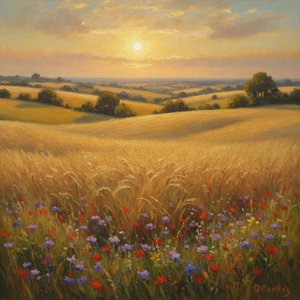
Golden Fields & Sun-Drenched Meadows: Capturing the Soul of Impressionist Landscapes
Immerse yourself in the luminous world of Impressionist landscapes. Discover how masters like Monet and Gauguin captured ephemeral light through plein air painting, and learn to bring the soul of sun-drenched meadows into your home with exquisite, hand-painted oil reproductions.