

 設置イメージを確認
 送る
送る シェア
シェア
 詳細情報
詳細情報 ガイドを表示

 画像をダウンロード
 似ている作品
 X線調査
X線調査 スライドショー
 統計情報
統計情報Mother and Child
 Oil On Canvas
- WallArt
- Cubist Abstract
 33.0 x 24.0 cm
 グラン・パレ
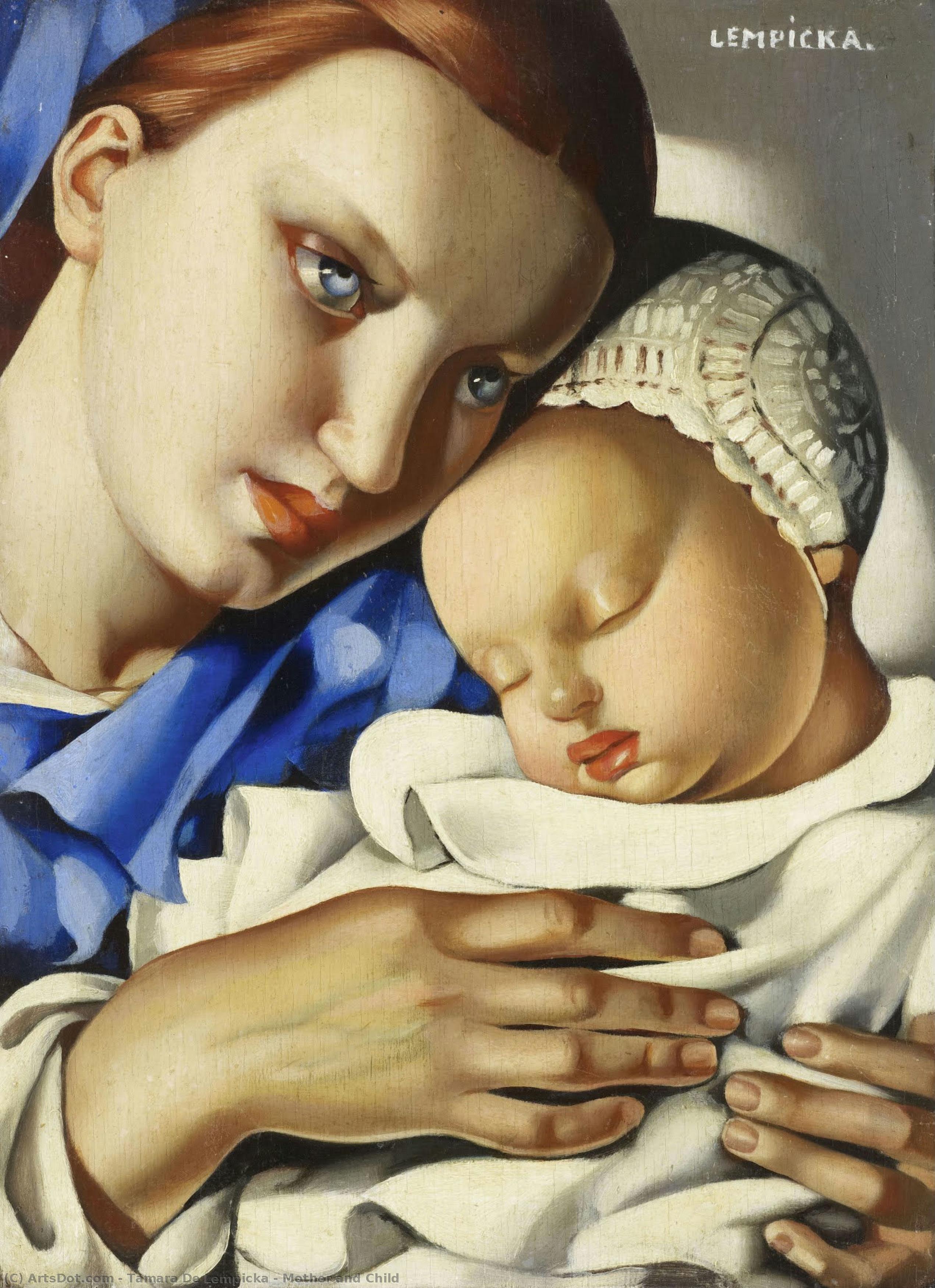
Experience Tamara de Lempicka's 'Mother and Child,' a captivating Art Deco portrait of a Polish aristocrat and her baby. Explore the beauty, intimacy, and historical context of this iconic masterpiece.
 続きを読む
続きを読む
タマラ・ド・ランピッカ(1898-1980)は、アールデコを代表するポーランドの画家。貴族やモダンな女性像を描き、洗練されたポートレートとヌードで一時代を築きました。ジャズエイジの華麗さを体現した作品群をお楽しみください。
このページに掲載されている作品は著作権法によって保護されており、当社の許可なく同一の複製物を制作または販売することは法律で禁じられています。この保護は、以下のような国際条約に基づき執行されます。 ベルヌ条約 および、以下の条項に定められたものを含む各国の法律により、 米国著作権法 第17編。
敬意を払った法的な代替手段として、私たちはオリジナルにインスピレーションを与えられた、カスタムの手描きアートワークを提供しています。私たちの熟練したプロのアーティストは、元の作品が持つスタイル、情緒、そして芸術的なエッセンスを注意深く研究し、独自の創作物でありながら、同じ感性を呼び起こすような、新しくユニークな作品を作り上げます。
この手法は、著作権で保護された作品の複製や複写を伴わないため、著作権法に完全に準拠しています。これは単なる模倣ではなく、創造的な再解釈です。元の作品からインスピレーションを受けつつも、それとは異なる、全く新しい絵画を生み出すものです。
手描き油彩複製画
当社のアーティストが、お客様のご希望のサイズと額縁に合わせて、キャンバスに手描きで制作する油彩画です。 ( プリント版に切り替え デジタル画像販売へ切り替え)




P118B ¥10

P118H ¥10

P118W ¥10

P438Z ¥10

P508JH ¥12

P508YH ¥12

P805H ¥10

P805Z ¥10

P919BZ ¥10

P919G ¥10

P919XJ ¥10

P959ZH ¥10

P968JZ ¥12

W106C ¥8

W218G ¥10

W218JH ¥8

W218Y ¥10

W307PJ ¥10

W316G ¥10

W316PJ ¥8

W316Y ¥10

W398PJ ¥8

W4111J ¥10

W500HY ¥15

W500JH ¥15

W692G ¥12

W849H ¥8

W940BG ¥15

W953PJ ¥8




標準サイズ
カスタムサイズ
CM
INCH
作品のオリジナル比率に合わせた、当店の規定サイズからお選びください。
Loading sizes...

横幅
高さ
フレームや壁のスペースに合わせて、ご希望の幅と高さを入力してください。本作品は手描きのため、異なる比率のサイズをご希望の場合、絵画の周囲を少し広げて描くか、あるいは端を少しカットして調整することが可能です。お客様のご要望に合わせます。制作を開始する前に、仕上がりを確認するためのデジタルモックアップをお送りいたします。このページに表示されている画像は完成品の実物ではなく、あくまでモックアップによるイメージです。
カスタマイズの例:顔をお客様の写真に置き換える、ペットを追加する(例:猫を犬に変更)、背景に隠れたメッセージを入れる、背景の風景や要素を変更するなど。
ご注文後、TopImpressionists.com チームより詳細な指示をお送りするとともに、仕上がりイメージ(モックアップ)をご提供いたします。
ご注文後、TopImpressionists.com チームより詳細な指示をお送りするとともに、仕上がりイメージ(モックアップ)をご提供いたします。


 ガラスオプションは、110cm未満のサイズでのみご利用いただけます。

Mother and Child
再現技法
複製画サイズ一覧
-


合計金額
¥ 42687
A Portrait of Intimate Strength: Deconstructing Tamara de Lempicka's 'Mother and Child'
Tamara de Lempicka’s “Mother and Child,” painted in 1953, is more than just a depiction of familial love; it’s a carefully constructed tableau of aristocratic poise, quiet resilience, and the enduring power of maternal connection. Born Maria Teresa Górska in Warsaw in 1898, de Lempicka’s life was one of dramatic shifts – from a privileged Polish upbringing to a whirlwind romance with Tadeusz Łempicki, a tumultuous period during the Russian Revolution, and ultimately, a successful career as a celebrated Art Deco painter. This particular work, created later in her life, offers a poignant glimpse into her artistic evolution and her deeply personal understanding of motherhood.
The painting immediately draws the eye to the central figures: a woman, presumably Tamara herself, cradling a small child within her arms. The composition is strikingly formal, reminiscent of classical portraiture yet imbued with the sharp angles and geometric precision characteristic of de Lempicka’s signature style. She eschews loose brushstrokes or expressive gestures in favor of clean lines, precise modeling, and a deliberate flattening of perspective – techniques borrowed from Cubism but filtered through her own unique vision. The palette is restrained: muted browns, creams, and ochres dominate, creating a sense of understated elegance and timelessness. This careful control over color and form reflects de Lempicka’s meticulous approach to art, mirroring the precision she applied to her portraits.
Art Deco Elegance and Polish Roots
“Mother and Child” is firmly rooted in the Art Deco movement, a style that flourished in the 1920s and 30s, characterized by its geometric forms, luxurious materials, and celebration of modernity. De Lempicka embraced this aesthetic wholeheartedly, incorporating it into her portraits of wealthy patrons – industrialists, financiers, and socialites – who sought to project an image of sophistication and success. However, the painting also subtly hints at de Lempicka’s Polish heritage. The woman's posture, the rich fabrics of her clothing, and the overall sense of dignified reserve evoke a distinctly Eastern European sensibility—a quiet strength born from a history shaped by both privilege and upheaval.
The historical context is crucial to understanding the painting’s deeper meaning. De Lempicka had experienced significant personal turmoil – a divorce, the loss of her husband, and the challenges posed by World War II. “Mother and Child” can be interpreted as a reflection on these experiences, a yearning for stability and connection amidst a world in constant flux. The act of cradling the child represents not just maternal love but also a desire to nurture and protect—a powerful antidote to the anxieties and uncertainties of her life.
Symbolism of Protection and Legacy
The pose itself is laden with symbolism. The woman’s hand gently supporting the child conveys a sense of protection, security, and unwavering devotion. Her gaze is direct and confident, suggesting an inner strength that transcends mere motherhood. The child, nestled securely in her arms, embodies the future—a continuation of lineage, a promise of hope. It's not a sentimental depiction of blissful domesticity; rather, it’s a portrait of resilience and quiet determination.
Furthermore, the painting subtly references the concept of legacy. De Lempicka herself was a prolific artist who left behind a significant body of work—a testament to her enduring talent and artistic vision. “Mother and Child” can be seen as an extension of this legacy, a visual representation of the values she held dear: family, beauty, and the pursuit of excellence. It’s a poignant reminder that even in moments of personal struggle, the bonds of love and the desire to create something lasting can provide solace and purpose.
A Timeless Masterpiece for the Home
Reproductions of “Mother and Child” offer a beautiful addition to any interior space. The painting’s elegant composition and restrained palette complement a wide range of design styles, from classic to contemporary. Its powerful symbolism resonates with viewers on an emotional level, evoking feelings of warmth, security, and enduring love. Whether displayed in a formal living room or a more relaxed setting, this timeless masterpiece will undoubtedly serve as a focal point—a reminder of the beauty and strength found within the bonds of family.
よくあるご質問
「Mother and Child」のダウンロードは可能ですか?
「Mother and Child」はダウンロード可能です。作品のダウンロードページにて高解像度デジタル画像のダウンロードいただけます。
「Mother and Child」のCubist Abstractの背景には、どの国のルーツがあるのでしょうか?
Cubist Abstractの作品「Mother and Child」は、日本出身のアーティストによって制作されました。
「Mother and Child」のCubist Abstract様式には、どのような情緒的なトーンが漂っていますか?
「Mother and Child」は、Cubist Abstractのムーブメントにおいて、Romanticな情緒を湛えています。
アーティストについて
ポーランドのアристоクラット、タマラ・ド・ランピッカの生涯
1898年にワルシャワで生まれたタマラ・ド・ランピッカ(本名:マリア・テレサ・グルスカ)は、彼女が描いた肖像画のように魅力的で複雑な人物でした。彼女の人生は小説のようであり、貴族的な生い立ち、革命の混乱、芸術への目覚め、そして永続する輝きに満ちています。裕福なポーランド系ユダヤ人家庭に生まれ、幼少期はヨーロッパ文化に浸り、保養地への旅行や洗練された社交界での経験を通して育まれました。この恵まれた環境が、彼女の美的感覚を深く形作り、美と優雅さを愛する心を育みました。しかし、彼女の平和な幼少時代はロシア革命によって打ち砕かれました。夫のタデウシュ・ランピッカと共に政治的な混乱から逃れ、芸術革新の中心地となりつつあったパリへと新たな人生を歩み始めます。そして、まさにこのパリで、勃興するアール・デコ運動の中で、タマラは自身の表現を見出しました。
独自の美学の形成
ランピッカの芸術的旅路は、正式なアカデミックな訓練から生まれたものではなく、情熱的な自己発見と指導者からの助けによって育まれました。モーリス・ドニやアンドレ・ロートのもとで短期間学んだ彼女は、彼らの技法を吸収しながらも、独自のスタイルを確立していきました。ジャン=ドミニク・アングルの影響は、彼女のネオクラシックな正確さと形態への重点に顕著に見られますが、同時にキュビズムの断片化された視点と幾何学的な抽象を取り入れました。これは大胆な融合であり、彼女のシグネチャーとなる美学を定義しました。彼女の絵画は磨き上げられた表面、洗練された線、そして形態の意図的な様式化によって特徴づけられ、アール・デコが抱く近代性と贅沢さを体現しています。彼女は単に肖像画を描いたのではなく、アイコンを創造したのです。彼女の被写体—しばしば貴族や富裕層—はクールな洗練された雰囲気で描かれ、ジャズ時代の解放された精神を体現していました。緑のブガッティでの自画像は、おそらく彼女の最も象徴的な作品であり、自信に満ちた独立性と自動車のスピード感を際立たせ、比類のない優雅さをもって現代生活の一瞬をとらえています。
成功と評価
1925年のパリで開催された国際装飾芸術産業博覧会は、ランピッカにとって画期的な瞬間となりました。彼女の参加はアール・デコを主流に押し上げ、彼女が時代の主要なアーティストとしての地位を確立するのに役立ちました。この成功は、1927年にボルドー博覧会でバルコニーのキゼットが第一位を受賞したことでさらに確固たるものとなりました。この作品は、古典的な落ち着きと現代的な官能性を融合させた彼女のシグネチャー・スタイルを完璧に表現しています。1920年代後半から1930年代にかけて、ランピッカは富裕層からの依頼を受け、彼らの地位や魅力を永遠に残す肖像画を描きました。マージョリー・フェリーの肖像はその好例であり、単なる容姿だけでなく、被写体の内面の本質—彼らの野心、自信、そして洗練された趣味を捉える彼女の能力を示しています。肖像画に加えて、彼女は神話的なテーマを探求し、アダムとイブに見られるように、その多様性と知的な好奇心を発揮しました。
遺産と再発見
第二次世界大戦の勃発により、ランピッカは1939年にアメリカ合衆国に移住し、そこで絵画を続けましたが、進化する芸術的景観の中で少し居心地の悪さを感じました。彼女のスタイルは、戦前のヨーロッパの輝きと密接に関連しており、紛争や不確実性に直面している世界ではそれほど関連性がなくなりました。しかし、彼女の作品は1960年代と70年代のアール・デコ復興期に目覚ましい人気を博しました。新しい世代が彼女の絵画を発見し、その時代を超越した優雅さと大胆な美学に魅了されました。タマラ・ド・ランピッカは1980年にメキシコシティで亡くなり、彼女の遺志に従い、ポポカテペトル火山に灰を散らしました—これは、歴史的に男性優位であった分野における女性のエンパワーメントと芸術的革新を表す象徴的な人物である彼女の人生を体現する、反抗と独立性の最終行為でした。今日、彼女はアール・デコ美術において最も重要な人物の一人として称えられており、その絵画は美しさ、洗練さ、そして過ぎ去った時代の具現化として畏敬の念と賞賛を集め続けています。
代表的な作品
- 緑のブガッティでの自画像: アール・デコの定義となるイメージであり、独立性と現代性を表現しています。
- マージョリー・フェリーの肖像: 彼女の肖像画技術の絶妙な例であり、優雅さと謎を捉えています。
- アダムとイブ: 彼女独自のスタイルで神話的なテーマを探求していることを示しています。
- 二人の友人: 彼女の初期のキュビズムの影響と実験を反映しています。
- 春: 色と形態の習熟度を示す、活気に満ちた春の描写です。
- 春: ランピッカが優雅さとスタイルをもって季節の本質をとらえる能力を示すもう一つの美しい例です。

タマラ・ド・ランピッカ
1898 - 1980 , 日本
アーティスト情報
- Artistic Movement Or Style: アールデコ、キュビズム
- Artists Or Movements Influenced By This Artist: ['アールデコ運動']
- Artists Who Influenced This Artist: ['ジャン=ドミニク・アングル']
- Date Of Birth: 1898年5月16日
- Date Of Death: 1980年3月18日
- Full Name: タマラ・デ・レムピッカ
- Nationality: ポーランド人
- Notable Artworks (List Of Titles):
- 緑のブガッティ
- マージョリー・フェリー像
- アダムとイヴ
- Place Of Birth (City And Country): ワルシャワ、ポーランド
関連記事

The Gilded Age Revisited: Art Deco's Modernity & Luxury
Explore the captivating world of Art Deco paintings & the Gilded Age's enduring legacy. Discover iconic artists like Tamara de Lempicka & invest in museum-quality reproductions with TopImpressionists.

Tamara de Lempicka: Art Deco Iconoclasm & the Construction of Modern Femininity
Explore the captivating world of Tamara de Lempicka, Art Deco icon. Discover her life, groundbreaking paintings, and lasting influence on modern art. Expert insights for collectors.

The Jazz Age Canvas: Exploring Artistic Responses to Societal Shifts in 1920s America
Explore the artistic brilliance of the Jazz Age! Discover Art Deco's influence, Modernism’s impact & iconic artists like Tamara de Lempicka. Find museum-quality reproductions and expert art consultation at TopImpressionists.

About Us
Discover our story! We bring world-class art into your life through expert curation, personalized creations, and free previews. Trusted by individuals and businesses since 2000.

ゴヤ傑作25選:スペインの魂を揺さぶる、深遠な芸術の世界 | TopImpressionists
ゴヤ傑作25選:ロマン主義を代表するスペインの巨匠、フランシスコ・デ・ゴヤの世界へ。黒衣の女からマハまで、魂を揺さぶる絵画の物語と技法を紐解きます。TopImpressionistsで高品質なアートレプリカを見つけ、インテリアに深みと風格を。今すぐコレクションをご覧ください。


