


 プレビュー
プレビュー
 シェアする
シェアする シェアする
シェアする
 詳細を見る
詳細を見る ガイド
ガイド

 ダウンロード
 似ている作品
 X線調査
X線調査 スライドショー
 統計情報
統計情報Lady in a Veil


 詳細を見る
詳細を見る
手描き油彩複製画
当社のアーティストが、お客様のご希望のサイズと額縁に合わせて、キャンバスに手描きで制作する油彩画です。 ( プリント版に切り替え デジタル画像販売へ切り替え)




P118B $10

P118H $10

P118W $10

P438Z $10

P508JH $12

P508YH $12

P805H $10

P805Z $10

P919BZ $10

P919G $10

P919XJ $10

P959ZH $10

P968JZ $12

W106C $8

W218G $10

W218JH $8

W218Y $10

W307PJ $10

W316G $10

W316PJ $8

W316Y $10

W398PJ $8

W4111J $10

W500HY $15

W500JH $15

W692G $12

W849H $8

W940BG $15

W953PJ $8




標準サイズ
オーダーメイド
CM
INCH
作品のオリジナル比率に合わせた、当店の規定サイズからお選びください。
Loading sizes...

幅
高さ
特定のフレームやスペースに合わせて、ご希望のサイズをご入力いただけます。選択されたサイズが元の画像の比率と異なる場合、アートワークをトリミングするか、手描きで要素を追加して絵画を拡張いたします。デジタルモックアップ を制作し、制作開始前にご確認(承認)をいただきます。
画面上のプレビューは、実際のトリミングや拡張を正確に反映しているものではありません。最終的な構図は、モックアップによってのみ正確にご確認いただけます。
カスタムサイズもご利用いただけますが、元の比率を維持するためには、あらかじめ用意されたリストからサイズを選択することをお勧めいたします。
カスタマイズの例:顔をお客様の写真に置き換える、ペットを追加する(例:猫を犬に変更)、背景に隠れたメッセージを入れる、背景の風景や要素を変更するなど。
ご注文後、TopImpressionists.com チームより詳細な指示をお送りするとともに、仕上がりイメージ(モックアップ)をご提供いたします。
ご注文後、TopImpressionists.com チームより詳細な指示をお送りするとともに、仕上がりイメージ(モックアップ)をご提供いたします。


 ガラスオプションは、110cm未満のサイズでのみご利用いただけます。

Lady in a Veil
複製技法
複製画のサイズ
-


合計金額
$ 294
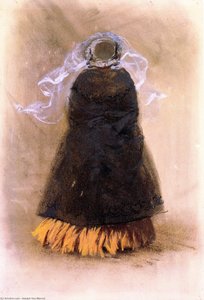
Lady in a Veil: A Glimpse of Post-Impressionist Elegance
The Lady in a Veil is a captivating portrait painted by Theo Van Rysselberghe in 1886. This oil on canvas masterpiece currently resides at the Kunsthalle Bremen in Germany. The painting showcases a woman wearing a hat with a veil over her face, exuding an air of mystery and elegance. It's more than just a likeness; it’s a study in light, color, and subtle emotion characteristic of the Post-Impressionist movement.
Post-Impressionist Style and Technique
The Lady in a Veil exemplifies Post-Impressionism, an art movement that emerged as a reaction against the naturalistic depiction of light and color. This style, roughly between 1886 and 1905, emphasizes distortion, exaggeration, and primitivism. Van Rysselberghe’s approach moves beyond simply capturing what he saw; he uses color and brushwork to convey mood and atmosphere. Notice the loose, visible brushstrokes that create a sense of movement and vibrancy. The layering of colors—warm browns, ochres, and reds—contributes to an intimate yet somewhat melancholic feeling. The technique isn't about precise detail but rather about capturing a fleeting impression.
A World Within the Frame: Objects and Symbolism
Beyond the central figure, the painting incorporates several objects that enrich its narrative depth. A clock on the wall above the woman’s head suggests the passage of time and perhaps a sense of reflection. Two bowls nearby add to the domestic setting, hinting at everyday life. The book positioned towards the right implies intellectual pursuits or quiet contemplation. The veil itself is symbolic—it obscures part of her face, creating an aura of mystery and suggesting hidden depths. It could represent modesty, privacy, or even a sense of detachment from the world.
Comparison with Contemporaries
Van Rysselberghe’s work shares affinities with other prominent Post-Impressionist artists. Consider Vincent Van Gogh's L'Arlesienne, Madame Joseph-Michel Ginoux and Paul Gauguin's The Meal (The Bananas). While each artist developed a unique style, they all explored similar themes of emotion, subjectivity, and the expressive potential of color. Van Rysselberghe’s approach is perhaps more restrained than Van Gogh’s or Gauguin’s, but his mastery of light and subtle detail creates an equally compelling visual experience.
Emotional Impact and Lasting Appeal
The Lady in a Veil evokes a sense of quiet introspection. The woman's gaze is averted, inviting the viewer to project their own interpretations onto her expression. The painting’s enduring appeal lies in its ability to capture a moment of stillness and contemplation, offering a glimpse into the inner world of its subject. It serves as a testament to Van Rysselberghe’s skill as a portraitist and his contribution to the Post-Impressionist movement.
関連作品




アーティストの略歴
光の先駆者:テオ・ファン・ライスベルフの生涯と芸術
1862年にベルギーのヘントで生まれたテオフィール“テオ”・ファン・ライスベルフは、印象派と新印象派の橋渡し役となった重要な人物として知られています。彼の道のりは、即座にスタイルを確立するものではなく、旅、知的交流、そして光の本質をとらえようとする飽くなき探求によって形作られた進化の過程でした。比較的裕福なフランス語圏の家庭に生まれ育ったライスベルフは、ヘントのアカデミーでテオ・カンネールのもとで初期の芸術的訓練を受け、その後、名門ブリュッセル王立美術アカデミーに進学しました。これらの形成期は、彼の初期作品に見られる伝統的な写実主義の基礎を築き上げました。1880年の自画像(パイプを持つ)はその一例で、当時のベルギーの芸術的気候を反映した陰鬱な色調と細部への徹底的なこだわりが特徴です。しかしながら、これらの初期作品の中にも、光と色彩に対する芽生えた感受性が垣間見え、彼の将来の軌跡を予感させます。この時期における重要な作品である森の中で日向ぼっこをする子供(1880年)は、より明るい色使いと自由な筆致へと変化し始め、後のスタイルを定義する兆候を示しました。モロッコの印象と「二十人組」の誕生
ライスベルフの芸術的転換期は、1882年から1888年までのモロッコへの旅によって訪れました。これらの長期滞在は、鮮やかな色彩、強烈な太陽光、エキゾチックな風景の世界に彼を没頭させ、それまで抑制されていた色調とは対照的な経験となりました。アラビア通りの靴職人(1882年)、アラビアの少年(1882年)、休息する警備兵(1883年)などの絵画は、光が形に及ぼす効果を捉えることへの関心の高まりを示し、厳格な写実主義からより印象派的な感性へと移行していく様子を表しています。モロッコでの経験は単なる視覚的観察にとどまらず、異文化への没頭であり、彼の芸術的視野を広げ、生涯にわたる旅行への愛情を育みました。ブリュッセルに戻ったライスベルフは、1883年にオクターヴ・マウスやエミール・ヴェルハーレンと共に、影響力のあるグループ「二十人組」(Les XX)の創設の中心人物となりました。この集団は、印象派や象徴主義といった新しい運動を、それまで馴染みのなかったベルギーの聴衆に紹介するプラットフォームとして機能しました。アラビアのファンタジア(1884年)は、この時期における彼の最も評価の高い作品となり、光と構成に対する彼の習熟度を示しました。新印象派への傾倒:色彩科学的なアプローチ
ライスベルフの芸術的発展における真の転換点は、1886年にパリで開催された第8回印象派展でジョルジュ・スーラのグランド・ジャット島の日曜日の午後に出会ったことでした。当初、スーラの綿密な点描技法—純粋な色彩の小さな点を体系的に適用する手法—に対して懐疑的でしたが、ライスベルフは徐々にその科学的な根拠と光沢のある効果を生み出す可能性を理解し始めました。彼は分割主義、つまり新印象派の方法である色彩を構成要素に分解し、鑑賞者の目でそれらを光学的に混合する方法を実験し始めました。これは単なる技術的な変化ではなく、光と色彩のより分析的で客観的な表現へと移行するものでした。ポール・シニャックのような他の新印象派の画家たちと親交を深め、フランスのリビエラ地方を共に旅しながら、技法や理論について意見交換を行いました。ライスベルフは風景画だけでなく、肖像画にも点描を適用し、家族や友人の鮮やかで心理的に洞察力に富んだ姿を描き出しました。シャルル・マウス夫人(1890年)はその代表的な例です。点描を超えて:永続する遺産
新印象派に深くコミットしていた時期を経て、ライスベルフは1890年代後半にはその厳格な原則から脱却し始めました。彼は筆致と構成においてより自由を求め、感情や雰囲気を表現するための新しい方法を探求しました。彼は多作の芸術家であり、家具デザイン、書籍の挿絵、装飾美術など、さまざまなメディアで活動しました。彼の影響はベルギー国内にとどまらず、ピート・モンドリアンやヤン・トーループといった画家たちに刺激を与え、彼らはライスベルフの革新的な色彩と光の使い方からインスピレーションを受けました。ライスベルフの遺産は、美しい絵画だけでなく、芸術的変化の触媒者としての役割—新しいアイデアや技術をベルギーの美術界に導入した近代主義の擁護者—にもあります。彼の作品は現在、パリのリュクサンブール美術館やヘントの王立美術館など、世界中の著名な美術館に所蔵されており、彼が芸術史に残した貢献は今後も称賛され続けるでしょう。光、色彩、形の相互作用を探求することへの献身が、彼を真の近代絵画の先駆者として確固たる地位づけました。
テオ・ファン・ライスベルフ
1862 - 1926 , ベルギー
基本情報
- Artistic Movement Or Style: 新印象派
- Artists Or Movements Influenced By This Artist:
- 新印象派
- ピート・モンドリアン
- ヤン・トーループ
- Artists Who Influenced This Artist:
- ジャン=フランソワ・ポルテール
- ジョルジュ・スーラ
- ポール・シニャック
- Date Of Birth: 1862年11月23日
- Date Of Death: 1926年12月13日
- Full Name: テオ・ファン・ライスベルフ
- Nationality: ベルギー人
- Notable Artworks (List Of Titles):
- アラビアン・ファンタジア
- スペインの女
- セビリャの女
- Place Of Birth (City And Country): ベルギー、ガント
関連記事

レンブラント傑作25選:光と影の巨匠、魂を揺さぶる名画の世界 | TopImpressionists
レンブラントの傑作25選。光と影の魔術師が描いた魂を揺さぶる名画の世界へ。美術史に残る自画像、夜警、宗教画…TopImpressionistsで高品質なアートプリントやインテリアアートをお楽しみください。コレクションはこちら→

光と色彩の彼方:知的な収集家のための印象派とポスト印象派
印象派とポスト印象派の傑作を深く理解し、知的なコレクションを築くための情報を提供。TopImpressionistsでは、高品質な油絵複製やカスタムアートをご用意。専門家が最適な作品選びをお手伝いします。

没後印象派を彩る至宝:時代を定義した10大名作
時代を彩る没後印象派の名作10選。ゴッホ、セザンヌら巨匠の傑作を深く掘り下げ、その物語と技法に迫ります。色彩豊かなアートで空間を演出。TopImpressionists.comで至高のアートプリントを見つけませんか?

Beyond Impressionism: Exploring the Emotional Depth of Post-Impressionist Painting
Explore the profound emotional depth & innovative techniques of Post-Impressionism with TopImpressionists. Discover Cézanne, Van Gogh, Gauguin & more – and their lasting impact on modern art.

Théo van Rysselberghe: Pioneering Belgian Pointillism & the Pursuit of Luminosity
Explore the captivating world of Théo van Rysselberghe, a pioneer of Belgian Neo-Impressionism. Discover his masterpieces, artistic journey, and lasting impact on modern art. Learn more at TopImpressionists.
テーマ、スタイル、特徴別に分類された作品を探索しましょう。

