

展示内容: · 額縁を含むサイズ:
 設置イメージを表示
 シェアする
シェアする シェアする
シェアする
 詳細を見る
詳細を見る ガイドを表示

 ダウンロード
 似ている作品
 X線調査
X線調査 スライドショーを表示
 Q&A
Q&A 統計情報
統計情報
- 280.0 x 21.0 cm


¥ 46527
手描き油彩複製画
当社のアーティストが、ご希望のサイズと額縁に合わせてキャンバスに手描きで制作する、オーダーメイドの油彩画です。 ( プリント版に切り替え デジタル画像販売へ切り替え)
サイズ
·標準サイズ
オーダーメイド
CM
INCH
作品のオリジナル比率に合わせた、当店の規定サイズからお選びください。
サイズを読み込み中...

横幅
高さ
フレームや壁のスペースに合わせて、ご希望の幅と高さを入力してください。本作品は手描きのため、異なる比率のサイズをご希望の場合、絵画の周囲を少し広げて描くか、あるいは端を少しカットして調整することが可能です。お客様のご要望に合わせます。制作を開始する前に、仕上がりを確認するためのデジタルモックアップをお送りいたします。このページに表示されている画像は完成品の実物ではなく、あくまでモックアップによるイメージです。
 詳しく読む
詳しく読む仕上げ
·
白の側面仕上げ ¥1

エッジぼかし仕上げ ¥1

回り込み仕上げ ¥1

P118B ¥10

P118H ¥10

P118W ¥10

P438Z ¥10

P508JH ¥12

P508YH ¥12

P805H ¥10

P805Z ¥10

P919BZ ¥10

P919G ¥10

P919XJ ¥10

P959ZH ¥10

P968JZ ¥12

W106C ¥8

W218G ¥10

W218JH ¥8

W218Y ¥10

W307PJ ¥10

W316G ¥10

W316PJ ¥8

W316Y ¥10

W398PJ ¥8

W4111J ¥10

W500HY ¥15

W500JH ¥15

W692G ¥12

W849H ¥8

W940BG ¥15

W953PJ ¥8

H24-GOLD ¥30

H24-SILVER ¥30

H36-GOLD ¥45

H36-SILVER ¥45
保護用の筒に入れてお届けしますので、お客様ご自身でフレーム(額縁)をご用意いただく形となります。
オプションサービス
任意特典の内容について
変更可能な例:顔をお客様の写真に差し替え、ペットの変更(例:猫を犬に変更)、背景に隠しメッセージを追加、背景の風景や要素の変更。
ご注文後、TopImpressionists.com のチームより詳細な手順についてメールをお送りし、仕上がりイメージ(モックアップ)をご提示いたします。
ご注文後、TopImpressionists.com のチームより詳細な手順についてメールをお送りし、仕上がりイメージ(モックアップ)をご提示いたします。
世界中への配送()は、通常の5週間ではなく、3〜4週間でお届けいたします。(7 11月)。品質には一切妥協いたしません。
保護用ワニス
キャプション
刻印入りブロンズプレートの詳細
This elegant plaque features the artist's name and the title of the artwork, finely engraved for a timeless presentation.
It is made from bronze with a refined, elegant finish. The text is precisely laser-engraved for a sharp and permanent result. Measuring 9x2 cm, the plaque is compact yet easy to read. It's built to be durable and scratch-resistant, offering a professional, museum-quality look. Mounting is simple thanks to the included adhesive backing.
透明アクリル銘板の詳細
The plaque includes essential engraved details such as the artist's name, the title of the artwork, the date it was created, the type of media used-like oil on canvas or watercolor-a brief description of the piece, and a QR code that links to the complete artwork information.
It is crafted from clear acrylic, offering a sleek, modern appearance. The text is UV-engraved in black to ensure strong visual contrast. With a size of 10x15 cm, it ensures optimal readability. It comes equipped with two metal hooks for secure wall mounting. The plaque is designed to be weather-resistant, making it suitable for various environments, and it includes interactive features that work seamlessly with smartphone scanning.
黒アクリル製銘板の詳細
This elegant plaque includes engraved information such as the artist's name, the title of the artwork, the date it was created, the type of media used (like oil on canvas or watercolor), a short description of the artwork, and a QR code for quick access to more information.
The plaque itself is made from refined black acrylic with a premium finish. The text is laser-engraved in white for high contrast and readability. Its size is 10x15 cm, designed to be easy to read. It comes with two metal hooks for professional mounting. The design is sleek and fits any interior style. It is also weather-resistant and durable, with built-in digital integration for mobile compatibility.
ガラスオプションは、110cm未満のサイズでのみご利用いただけます。
 ガラスオプションは、110cm未満のサイズでのみご利用いただけます。
- 世界中へ無料エクスプレス配送
- 高品質なリネンキャンバス
- 配送時完全保険付
- 関税・輸入税の払い戻し保証
- 真の色彩再現に関する保証
- 100日間返品保証(製造上の欠陥がある場合のみ)
- 100% 全額返金保証
- まとめ買い割引のご案内


作品解説
Discover Titian’s "The Annunciation" (1557), a Baroque masterpiece! Explore its dramatic lighting, dynamic composition & rich colors of this Venetian painting.
アーティストの略歴
Titian Ramsay Peale II Titian Peale 19世紀アメリカ人画家、ティタン・ラムゼイ・ピール2世。ルネサンス期のヴェネツィア美術の影響を受け、聖書画や肖像画に卓越した色彩と光の表現を融合。自然観察眼と古典様式への敬意が織りなす作品は、アメリカ美術史における貴重な遺産。 High Renaissance Titian 1799 1885 Titian Ramsay Peale II American Altar Shrine with Four Saints Impressionism 2 Titian Ramsay Peale II was heavily influenced by which artistic movement?
作品について
The Annunciation: A Baroque Dialogue of Grace and Revelation
Titian Ramsay Peale II’s “The Annunciation,” painted in 1557, is more than just a depiction of a pivotal biblical moment; it's a carefully constructed tableau brimming with the emotional intensity and dramatic lighting characteristic of late Renaissance – specifically, Baroque – art. This masterful work transports us to a space both sacred and subtly unsettling, inviting contemplation on themes of divine grace, human humility, and the profound mystery at the heart of faith. Peale’s interpretation diverges from purely literal representation, opting instead for a heightened emotionalism that resonates powerfully with viewers centuries later.
The scene unfolds within an undefined, almost dreamlike space – a dark void punctuated by subtle architectural elements suggesting a modest dwelling. The focus immediately draws the eye to the kneeling woman, Mary, rendered in exquisite detail. Her posture conveys both vulnerability and profound absorption; her hands clasped together, her gaze fixed upward with an expression of awe and gentle surprise. This isn’t merely a passive recipient of divine news but a figure actively engaged in a momentous encounter. The artist skillfully uses light to sculpt her form, highlighting the delicate contours of her face and emphasizing the weight of this revelation.
A Symphony of Color and Movement
Peale's palette is dominated by rich browns, deep golds, and muted reds – colors that evoke a sense of solemnity and reverence. These warm tones are juxtaposed with cooler blues and purples in the swirling clouds above, creating a dynamic interplay between earthly humility and celestial splendor. The drapery, particularly the voluminous robes of the angel, is rendered with meticulous attention to detail, utilizing layered impasto – thick applications of paint that create a tactile, almost sculptural effect. This technique not only adds depth and texture but also contributes to the overall sense of drama and movement within the composition.
The use of curved lines—particularly in the flowing drapery and the wings of the angel—is paramount to the painting’s dynamic feel. These lines guide the viewer's eye through the scene, creating a sense of continuous motion and upward aspiration. The positioning of the ascending cherubs further reinforces this feeling of ascension, symbolizing the divine presence reaching down to earth. The pyramidal composition, anchored by Mary’s kneeling form and culminating in the angel and celestial elements, provides stability while simultaneously directing the eye upwards towards the heavens.
Symbolism and Artistic Echoes
“The Annunciation” is rich in symbolic meaning. The angel, rendered with powerful wings and a commanding presence, represents divine grace and the messenger of God’s will. Mary's posture embodies humility and receptivity – she is not demanding answers but humbly accepting the extraordinary news. The architectural details, though subtly suggested, hint at the familiar setting of Nazareth, grounding the miraculous event in a tangible reality. The painting draws heavily on the artistic traditions of the High Renaissance, particularly the works of Raphael and Leonardo da Vinci, yet Peale imbues it with a distinctly Baroque sensibility – a heightened emotionalism, dramatic lighting, and an emphasis on movement and dynamism.
Furthermore, it’s important to consider Peale's lineage. As the son of Charles Willson Peale, a pivotal figure in early American art and founder of the first museum, Titian Ramsay Peale II inherited a legacy of scientific observation and artistic exploration. This influence is evident in his meticulous detail and his commitment to capturing both the beauty and the complexity of the natural world – as seen in his extensive wildlife paintings. “The Annunciation” thus represents a fascinating synthesis of High Renaissance ideals with New World sensibilities, creating an artwork that is both timelessly beautiful and deeply rooted in its historical context. It’s a powerful testament to the enduring appeal of religious iconography and the artist's ability to translate profound spiritual themes into visually arresting form.
Q&A
ティティアン・ラムゼイ・ピール2世作「The Annunciation」において、芸術運動と時代はどのように交差しているのでしょうか?
ティティアン・ラムゼイ・ピール2世作「The Annunciation」は、作者の19世紀という時代における、Baroqueのムーブメントに位置づけられます。
ティティアン・ラムゼイ・ピール2世作「The Annunciation」の形式には、どのような配置が適していますか?
ティティアン・ラムゼイ・ピール2世作「The Annunciation」の作品に関する設置情報は、フォーマット(Portrait)と推奨される設置場所(Living Room)の2点です。
ご購入前に、ティティアン・ラムゼイ・ピール2世作「The Annunciation」 をご自身の壁に飾った様子を確認することはできますか?
「The Annunciation」は、拡張現実(AR)でのプレビューが可能です。対応デバイスで作品のARで見るページを表示すると、ご自身の空間に作品を配置してご確認いただけます。
作品の豆知識とアートクイズ
ティティアン・ラムゼイ・ピール2世について

ティティアン・ラムゼイ・ピール2世
1799 - 1885, アメリカ合衆国
作家プロフィール
ルネサンスのこだま、新世界に響く:ティタン・ラムゼイ・ピール2世
ティタン・ラムゼイ・ピール2世は、19世紀のアメリカ美術史における独特な位置を占める画家です。1799年フィラデルフィアで生まれ、その出自は芸術の家系に深く根ざしていました。父はチャールズ・ウィルソン・ピールであり、彼は初期アメリカの肖像画において重要な人物であり、また最初の博物館の創設者でもありました。父の遺産が彼の上に重くのしかかっていたにも関わらず、ティタンは独自の道を切り開きました。彼の芸術は、ヴェネツィアから発するルネサンス美術の美学に深く根ざしており、細部に至るまで鮮やかな色彩を駆使した作品群は、同時代の多くの画家たちとは一線を画していました。新大陸での勃興するアメリカ人としてのアイデンティティと、古き良き世界の巨匠への敬意が交錯し、魅力的な緊張感を生み出しました。博物学者のスケッチブックから、画家のキャンバスへ
ピールの幼少期は、芸術と自然史という二つの情熱によって彩られていました。これは父の多才な活動によって育まれたものでした。彼はスティーブン・ハリマン・ロングによるロッキー山脈への遠征に同行し、そこに生息する動植物を洗練された技術で記録しました。この時期は単なる観察記録にとどまらず、形、光、そして質感の理解を深めるための訓練期間でした。博物学者としての経験は彼の芸術に影響を与え、自然界の描写に科学的な精密さを与えるだけでなく、単なる記録を超えた感情的な共鳴を生み出しました。彼はただ物事を見せるのではなく、その本質的な美しさと精神的な重要性を明らかにしていたのです。「貢納金」に見られるように、ルーベンスを彷彿とさせる光と影の巧みな使い方は、彼の才能を示す好例です。また、「ニンフと羊飼い」は、自然、神話、そして官能的な美しさを見事に融合させた作品として知られています。ヴェネツィアの影響と聖なるビジョン
ティツィアーノ(彼が名付けられた芸術家)をはじめとするヴェネツィアの巨匠たちが提唱した色彩主義——豊かな輝きのある色彩と大気効果を重視する様式——の影響は、ピールの作品群において明確に見て取れます。彼は単にこれらの巨匠のスタイルを模倣しているのではなく、その原則を内面化し、自身の芸術的なビジョンに適応させています。「四人の聖人を描いた祭壇画」や「羊飼いの礼拝」に見られるように、彼の宗教画は、緻密な構成と色彩の巧みな使用によって感情を喚起し、鑑賞者を精神的な瞑想の世界へと誘い込みます。これらの作品における細部へのこだわりは、彼の技術力だけでなく、主題に対する深い敬意を示すものでもあります。さらに、「美」という肖像画は、その人物の形と個性を優雅さと洗練さで捉える彼の能力を実証しています。再評価と持続的な意義
20世紀の大半において、ティタン・ラムゼイ・ピール2世は美術史の中で比較的忘れ去られた存在でした。彼の作品は、主流の芸術的傾向に容易には適合せず、急速に変化する芸術界において古典的なスタイルへの献身が時代遅れと見なされたためです。しかし近年、彼の貢献に対する再評価が高まっています。研究者や収集家たちは、彼の作品を特徴づけるアメリカ的な感覚とヨーロッパの伝統のユニークな融合を認識し始めています。彼の作品の再発見は、単に美術史における空白を埋めることではなく、19世紀のアメリカ社会を形作った複雑な文化的力に対する理解を深めることを意味します。ピールは、世界を結ぶ架け橋であり、古典的な理想の永続的な力を証明する存在です。彼の作品は、今ではTopImpressionistsやウフィツィ美術館、パラッツォ・ピッティなどのコレクションで見ることができ、忘れ去られたアメリカ美術史の一角を照らす光となっています。ピールの足跡:家族と科学への献身
ピールは芸術家であるだけでなく、博物学者としても多才な才能を発揮しました。彼は父親のフィラデルフィア博物館の運営を担い、トーマス・セイの研究のために昆虫を描き、アメリカ自然史協会のジャーナルに石版画技術を紹介するなど、科学界にも貢献しました。若き頃には、チャールズ・ルシアン・ボナパルトの支援のもとで、24歳までにアメリカにおける最高の鳥類画家としての地位を確立しました。しかし、1840年代には博物館が倒産し、妻や娘を亡くすなど、不幸な出来事が重なり、彼のキャリアは転換期を迎えます。その後、特許庁の審査官として新たな生活を始め、写真や油絵といった新しい趣味に没頭しました。彼は昆虫採集を続けましたが、1842年以降はかつて享受していた自然科学者としての専門的な地位を取り戻すことはありませんでした。1885年にフィラデルフィアで亡くなった彼の生涯は、芸術と科学の融合、そして古典的な美への揺るぎない献身を示すものでした。ティティアン・ラムゼイ・ピール2世についてのクイック・ファクト
- フルネーム: ティタン・ラムゼイ・ピール2世
- 主な作品:
- 献金
- 羊飼いの礼拝
- 美
- 聖人たちと祭壇
- 国籍: アメリカ合衆国
- 影響を受けたアーティスト:
- ティツィアーノ
- ヴェネツィアの巨匠
- 生年月日: 1799年
- 芸術運動またはスタイル: ルネサンス様式


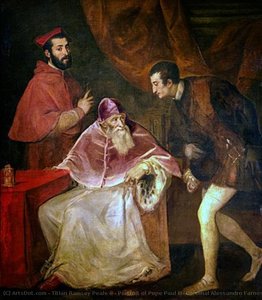


ティティアン・ラムゼイ・ピール2世
The Annunciation
() ·
額縁を含むサイズ: · リネンに油彩で手描き
合計