設置イメージを確認
 送る
送る シェア
シェア
 詳細情報
詳細情報 ガイドを表示

 画像をダウンロード
 似ている作品
 X線調査
X線調査 スライドショー
 統計情報
統計情報Hakone


 続きを読む
続きを読む
ジークレー/アートプリント
スピーディーな制作と多彩な仕上げオプションが魅力の、ミュージアムクオリティなジークレー・キャンバスプリント。 ( 手描きの複製画を注文する デジタル画像販売へ切り替え)




P118B ¥10

P118H ¥10

P118W ¥10

P438Z ¥10

P508JH ¥12

P508YH ¥12

P805H ¥10

P805Z ¥10

P919BZ ¥10

P919G ¥10

P919XJ ¥10

P959ZH ¥10

P968JZ ¥12

W106C ¥8

W218G ¥10

W218JH ¥8

W218Y ¥10

W307PJ ¥10

W316G ¥10

W316PJ ¥8

W316Y ¥10

W398PJ ¥8

W4111J ¥10

W500HY ¥15

W500JH ¥15

W692G ¥12

W849H ¥8

W940BG ¥15

W953PJ ¥8




標準サイズ
カスタムサイズ
CM
INCH
作品のオリジナル比率に合わせた、当店の規定サイズからお選びください。
Loading sizes...

横幅
高さ
特定のフレームやスペースに合わせて、ご自身でサイズを指定することも可能です。選択されたサイズが元の画像の比率と一致しない場合、作品をトリミングするか、鏡面反射または単色での塗りつぶしによって画像を拡張いたします。制作を開始する前に、ご確認用のデジタルモックアップをお送りいたします。
画面上のプレビューには、実際のトリミングや拡張は反映されませんのでご注意ください。最終的な構図を正確に確認できるのは、モックアップのみとなります。
カスタムサイズも承っておりますが、元の比率を維持するためには、あらかじめ用意されたリストからサイズを選択することをお勧めいたします。


 ガラスオプションは、110cm未満のサイズでのみご利用いただけます。

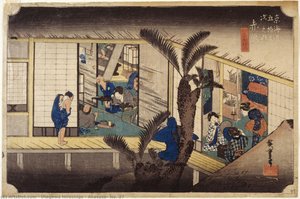
Hakone
ジークレー/アートプリント
複製画サイズ一覧
-


合計金額
¥ 11044
A Glimpse of Tranquility: Utagawa Hiroshige's "Hakone"
Utagawa Hiroshige’s “Hakone,” created in 1834, is more than just a landscape; it's a poetic meditation on the beauty and transience of nature within Edo-period Japan. This woodblock print, part of his renowned series "The Fifty-three Stations of the Tōkaidō," captures a specific moment along the vital trade route connecting Tokyo (then Edo) with Kyoto. However, Hiroshige elevates this seemingly simple depiction of a mountain pass into something profoundly evocative, inviting viewers to share in the quiet contemplation of a traveler pausing amidst breathtaking scenery.
The Artist and His Vision
Hiroshige (1797-1858), considered the last great master of *ukiyo-e*, possessed an unparalleled ability to translate the essence of a place onto paper. Born in Tokyo, his early life was steeped in samurai tradition before he embraced art under Utagawa Toyohiro. Hiroshige’s genius lay not merely in replicating what he saw but in imbuing it with emotion and atmosphere. He moved beyond the typical *ukiyo-e* focus on portraits of actors or courtesans, choosing instead to celebrate the natural world—the mountains, rivers, and roads that shaped Japanese life. His travels along the Tōkaidō provided him with a wealth of inspiration, allowing him to meticulously document the changing landscapes and capture the spirit of each station.
A Composition of Harmony: Technique and Symbolism
“Hakone” exemplifies Hiroshige’s masterful technique in woodblock printing. The print showcases a layered approach, using multiple blocks for different colors and tones to create depth and nuance. Notice how the snow-capped peaks recede into the distance, rendered with subtle gradations of blue and grey that convey atmospheric perspective. The trees, scattered across the hillside, are not merely decorative elements but contribute to the overall sense of scale and tranquility. The body of water reflects the sky, creating a mirror image that doubles the beauty of the scene. A lone figure stands near the center, seemingly absorbed in the grandeur before them—a silent participant in this serene vista. This inclusion is significant; it humanizes the landscape, reminding us of our place within nature's vastness and inviting viewers to imagine themselves experiencing this moment firsthand.
Historical Context and Enduring Legacy
The Tōkaidō was a vital artery for commerce and communication in Edo-period Japan. Hiroshige’s series documenting its stations served not only as visual guides for travelers but also as celebrations of the nation's geography and culture. “Hakone,” with its challenging terrain and stunning views, represents a moment of respite along this arduous journey. The print reflects a broader cultural appreciation for nature in Edo Japan, where landscapes were increasingly valued for their aesthetic qualities. Hiroshige’s work had a profound impact on Western art, particularly influencing the Impressionist movement. Artists like Monet and Van Gogh drew inspiration from his compositions and color palettes, recognizing the power of capturing fleeting moments of beauty.
An Invitation to Contemplation
“Hakone” is more than just a beautiful image; it’s an invitation to pause, reflect, and appreciate the simple wonders of the natural world. The print's quiet elegance and subtle details create a sense of peace and tranquility that transcends time and culture. Whether you are an art enthusiast, a collector seeking a piece of Japanese heritage, or simply someone looking for a calming presence in your home, Hiroshige’s “Hakone” offers a timeless glimpse into the beauty of Edo-period Japan.
アーティストについて
江戸の詩的な情景:歌川広重の生涯と芸術
1797年、活気あふれる江戸(現在の東京)に安藤徳太郎として生まれた歌川広重は、「浮世絵」という、いわば「浮き世の絵」の世界において極めて重要な役割を果たした人物です。日本の木版画の伝統に深く根ざしながらも、広重は単なる模倣を超越しました。彼は自身の風景画に詩的な感性を吹き込み、それが日本国内のみならず、後には西洋の芸術界にも深い共鳴を呼び起こしたのです。彼の生涯は徳川幕府による比較的平和で豊かな時代に展開されましたが、同時に社会の変化と西洋化の波が押し寄せた時代でもありました。こうした潮流は、最終的には浮世絵の衰退を招く要因となりましたが、一方で広重が遺した不朽のレガシーをより輝かしいものへと昇華させたのです。もともとは火消しの家系という武士の端くれとして、より保守的な道を歩む運命にありました。しかし、広重の芸術への情熱は彼を歌川派の巨匠、歌川豊広のもとへと導きました。この出会いが決定的な転換点となり、多くの浮世絵師が好んだ美人画や役者絵といった主題から離れ、彼が後に再定義することとなる「風景画」というジャンルへと彼を向かわせたのです。風俗画から情緒溢れる風景画へ
広重の初期の作品は、師匠の流儀に従い、肖像画や日常の情景を描いたものでした。しかし、彼を真に際立たせたのは、風景画への情熱的な取り組みでした。すでに観衆を魅了していた葛飾北斎の「富嶽三十六景」などの先達から影響を受けつつも、広重は空気遠近法、繊細な色彩、そして移ろいゆく四季に対する深い感受性を特徴とする独自のスタイルを確立しました。彼は単に場所を描写したのではなく、その場所が持つ情緒を呼び起こし、特定の瞬間の本質を捉えようとしたのです。彼の最も輝かしい業績とされる「東海道五十三次」(1833–1834年)は、まさにこの手法の典型です。江戸と京都を結ぶ主要街道である東海道の旅を記録したこの記念碑的な作品は、単なる旅行記ではなく、情緒豊かな一場面の連なりとして描かれています。庄野の突然の夕立、金谷から望む遠くの富士、小田原の賑わい――。それぞれの版画には、無常観と静かな美しさが宿っており、見る者を旅人と共にその道のりへと誘います。また、彼は「ぼかし」という技法を巧みに操りました。複数の摺りを重ねることで繊細な色の階調を生み出し、画面に奥行きと情緒的な空気感を与えたのです。 <模範的な雰囲気と技法の達人 広重の技術的な卓越性は、その芸術的ビジョンに勝るとも劣らないものでした。彼は単なる正確な描写に関心があったのではなく、その場所が持つ「感覚」を捉えることを追求したのです。色彩の使用は、同時代の他の絵師と比較すると控えめなこともありましたが、この効果を達成するためには不可欠な要素でした。彼は一つの色に対して頻繁に複数の版を用いることで、再現が極めて困難なほど微細な陰影や空気的な効果を生み出しました。雨や霧を描いた際の繊細な青の階調、秋の紅葉が放つ温かな色彩――これらは決して偶然の産物ではなく、特定の感情や感覚を呼び起こすために緻密に計算された要素でした。さらに「ぼかし」に留まらず、広重は日本美学の中核をなす「間(ま)」、すなわち余白を活用することにも長けていました。これにより、版画の中に「呼吸」する空間が生まれ、作品全体の静謐さがより一層引き立てられたのです。彼の「名所江戸百景」(1856–1858年)は、その熟練の技をさらに示すものであり、愛した江戸の街の生活と風景を、親密な眼差しで描き出しています。不朽の遺産:ジャポニスム、そしてその先へ
1858年の広重の没後、明治維新とそれに続く西洋文化の流入によって浮世絵の伝統は衰退へと向かいますが、芸術界に与えた彼の影響は驚くほど永続的なものでした。19世紀後半、日本の版画はヨーロッパへと渡り、「ジャポニスム」として知られる現象を引き起こしました。エドゥアール・マネ、クロード・モネ、エドガー・ドガといった芸術家たちは、浮世絵の大胆な構図、平面的な遠近法、そして型破りな色彩感覚に魅了され、それらの要素を自らの作品に取り入れました。特にフィンセント・ファン・ゴッホは広重の版画に熱狂し、「亀戸梅屋舗」を含む数々の作品を模写しました。これは、日本の巨匠による色彩と構図への深い敬意の表れです。広重の影響は絵画のみならず、建築、デザイン、さらには文学にまで及んでいます。今日、歌川広重は単なる偉大な芸術家としてだけでなく、東洋と西洋の架け橋となった文化大使として記憶されており、美術史に消えることのない足跡を残しています。彼の穏やかな風景画は、今なお畏敬の念と深い思索を呼び起こし、自然界の美しさと無常さを私たちに伝えてくれます。主な作品
- 東海道五十三次:江戸と京都を結ぶ主要街道の旅を描いた、広重の最も有名なシリーズ。
- 名所江戸百景:彼が愛した江戸の街の風景と生活を、魅力的に描き出した作品群。
- フィンセント・ファン・ゴッホの「ジャポネズリー」シリーズへの影響:「亀戸梅屋舗」など、ゴッホが日本の巨匠に抱いた深い敬愛を示す作品群。

歌川広重
1797 - 1858
アーティスト情報
- Artistic Movement Or Style: 浮世絵
- Artists Or Movements Influenced By This Artist:
- マネ
- モネ
- ゴッホ
- 印象派
- Artists Who Influenced This Artist: ['北斎']
- Date Of Birth: 1797年
- Date Of Death: 1858年
- Full Name: 歌川広重
- Nationality: 日本人
- Notable Artworks:
- 東海道五十三次
- 名所江戸百景
- Place Of Birth: 日本、東京
関連記事

The Soul of the Carved Line: Discovering the Timeless Magic of Japanese Woodblock Prints
Embark on a cultural journey through the delicate beauty of Japanese woodblock prints. Explore the mastery of Ukiyo-e, from Hokusai's dramatic lines to Obata's serene designs, and discover the enduring soul of this timeless art form for the discerning collector.

Floating Worlds: The Timeless Elegance and Cultural Magic of Ukiyo-e Art
Embark on a cultural journey through the enchanting world of Ukiyo-e. Discover the history, masters like Hokusai, and the vibrant Edo period aesthetics that continue to inspire art lovers worldwide with their timeless beauty and intricate woodblock craftsmanship.
テーマ、スタイル、特徴別に分類された作品を探索しましょう。